Ayu Aulia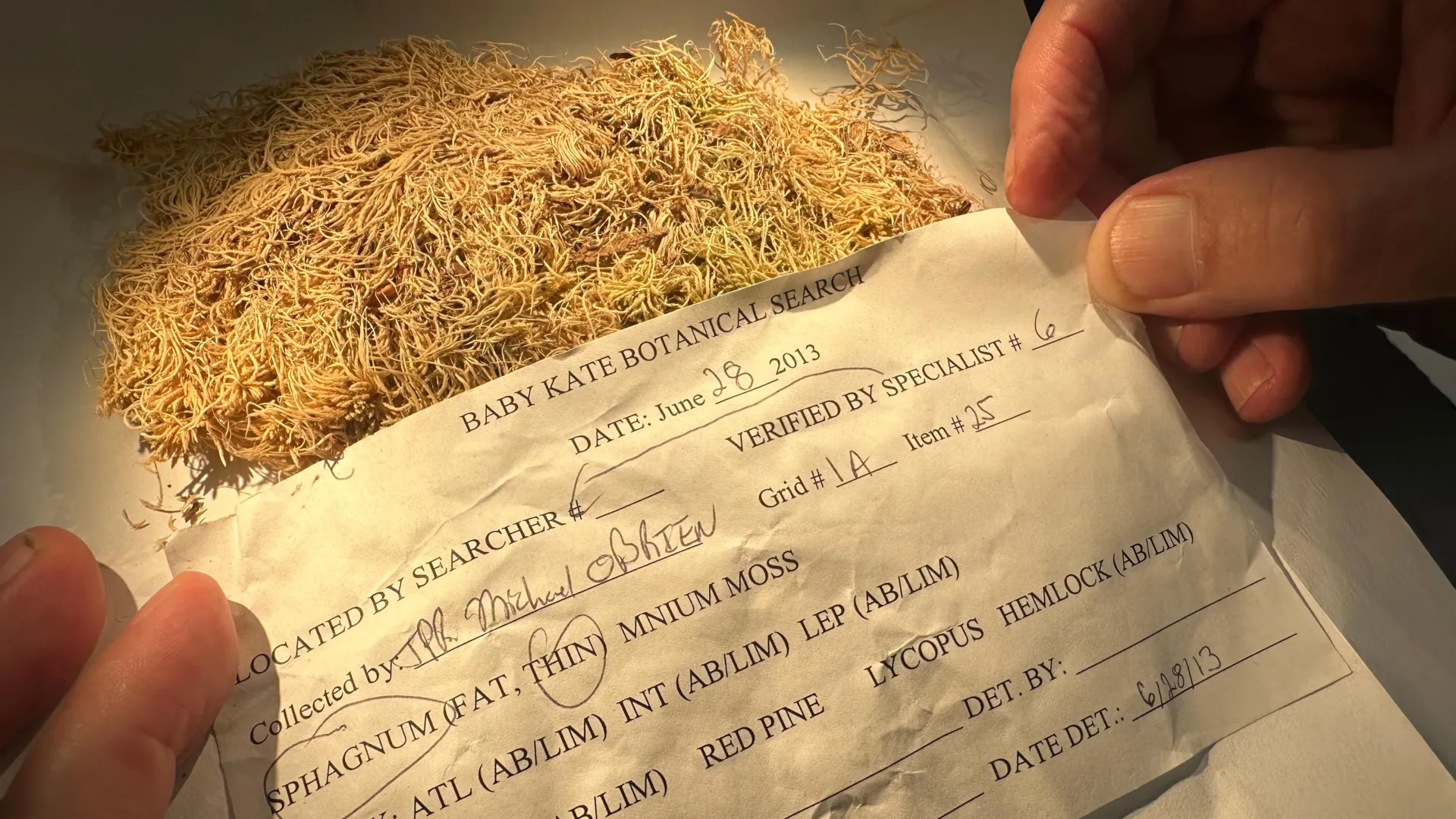
Unassuming botanical specimens, often overlooked due to their diminutive size and ubiquitous presence, are increasingly emerging as crucial evidentiary assets in criminal justice. These humble organisms, particularly bryophytes such as mosses, liverworts, and hornworts, possess unique biological characteristics that render them exceptionally valuable as ecological indicators, capable of linking individuals, objects, and events to specific geographic locations with remarkable precision. This burgeoning field of forensic botany is challenging traditional investigative paradigms, offering new avenues for solving complex cases and bringing resolution to long-standing mysteries.
The significance of these microscopic plants in forensic science stems from their distinctive biology and ecological specificity. Bryophytes, a diverse group comprising over 20,000 species, represent some of Earth’s oldest terrestrial flora. Unlike vascular plants, they lack true roots, stems, and leaves, instead absorbing water and nutrients directly through their entire surface. This structural simplicity, coupled with their poikilohydric nature – the ability to tolerate extreme desiccation and rehydrate rapidly – allows them to thrive in a vast array of microclimates, from damp forest floors to arid rock faces. Crucially for forensic applications, many bryophyte species exhibit highly specific environmental tolerances, flourishing only under precise conditions of moisture, light, soil pH, and substrate composition. This ecological specialization means that the presence of particular bryophyte species can serve as an exceptionally precise environmental fingerprint, delineating a specific microhabitat within a broader landscape.
Forensic investigations have historically relied on macroscopic botanical evidence, such as pollen, seeds, wood fragments, or larger plant parts. However, the inherent challenges in identifying and interpreting these larger specimens often limit their utility. Bryophytes, by contrast, offer several distinct advantages. Their small size makes them easily transferable and difficult to detect by an unsuspecting perpetrator, allowing them to cling tenaciously to clothing, footwear, vehicles, or even human remains. Moreover, the sheer diversity of bryophyte species, coupled with their often localized distribution, provides a granular level of detail that larger flora cannot always match. Each tiny fragment, when expertly analyzed, can unlock critical information about the provenance of an individual or object, thereby reconstructing the sequence of events surrounding a crime.
The scientific community’s appreciation for bryophytes as forensic tools gained considerable traction following a pivotal case in 2013, which prompted a collaborative study published in Forensic Sciences Research. This seminal work meticulously documented instances where these unassuming plants had played a definitive role in criminal investigations, highlighting a previously underestimated source of evidence. According to Dr. Matthew von Konrat, a leading authority on botanical collections and a co-author of the aforementioned study, the primary objective of their research was to elevate the profile of botanical evidence. Dr. von Konrat observed that investigators frequently overlook such minute biological traces, largely due to a lack of specialized knowledge regarding their potential significance. The collective hope is that increased awareness will empower law enforcement personnel to recognize the profound informational value embedded within these seemingly insignificant plants.
The unique physiological attributes of bryophytes underpin their forensic utility. As non-vascular plants, they absorb moisture and nutrients directly from their immediate surroundings, making them highly sensitive indicators of environmental conditions. This direct interaction with the environment means that their cellular composition can reflect the specific chemical profile of a location, including pollutants or unique mineral traces. Furthermore, their growth patterns are often dictated by incredibly localized microclimates. Even within a seemingly uniform forest, distinct bryophyte communities can flourish just meters apart, responding to subtle variations in canopy cover, humidity, substrate acidity, or slope aspect. This hypersensitivity to microhabitat nuances allows forensic botanists to pinpoint potential crime scenes or deposition sites with remarkable accuracy. Adding another layer of complexity and specificity, various other microorganisms, such as fungi, bacteria, and microscopic invertebrates, frequently colonize specific bryophyte species. The analysis of these associated microbial communities can further refine geographical profiling, offering an even more detailed environmental signature.
The systematic review undertaken by Jenna Merkel, then a Master’s student in forensic science, in collaboration with Dr. von Konrat at the Field Museum, provided an invaluable historical perspective on the application of bryophytes in forensic investigations. Their comprehensive survey spanned 150 years of scientific literature, seeking to quantify the frequency and impact of bryophyte evidence in documented criminal cases. Surprisingly, their findings revealed that while the potential was immense, the actual application had been relatively infrequent. This scarcity of documented cases underscores the historical oversight of this potent evidence category.
The earliest identified instance of bryophyte utilization in forensics dates back to 1929. In this groundbreaking case, the presence and growth patterns of specific moss species on a decomposing human skeleton provided critical insights into the post-mortem interval, helping investigators estimate the duration of time the individual had been deceased. Since this pioneering application, a limited but impactful number of cases—at least ten—have been reported globally, originating from diverse geographical regions including Finland, Sweden, Italy, China, and the United States. In each of these instances, the analysis of bryophytes furnished crucial information, whether pertaining to the precise timing of events, the specific location of a crime, or other contextual circumstances that significantly aided the investigative process.
One of the most compelling demonstrations of bryophytes’ investigative power, and a case that fundamentally shifted perceptions within the scientific community, involved the tragic murder of an infant named Kate in 2011. The perpetrator, the child’s father, offered only vague indications of the burial site in northern Michigan. Law enforcement, however, discovered minute plant fragments adhering to his footwear. In 2013, Dr. von Konrat spearheaded a multidisciplinary team of botanists and volunteers. Their mission was to conduct an exhaustive botanical survey of the extensive northern Michigan wilderness, meticulously cataloging the distribution of grasses, trees, and, critically, mosses, in an effort to identify an ecological signature matching the fragments recovered from the suspect’s shoes.
The task was formidable, encompassing hundreds of species of mosses and dozens of species of grasses and trees indigenous to the region. Yet, the specific bryophyte fragments retrieved from the suspect’s shoes provided a precise ecological blueprint. This crucial detail allowed the team to narrow their extensive search from a vast expanse spanning seven counties down to an astonishingly small area, approximately 50 square feet. The ecological specificity of the identified moss species enabled the botanists to predict the exact microhabitat where such a community would thrive. During subsequent police interrogations, the father, confronted with this precise botanical evidence, confirmed that the meticulously identified 50-square-foot patch was, indeed, the precise location where he had interred his daughter. This case vividly illustrated the unparalleled precision that bryophyte analysis can offer, transforming a seemingly insurmountable search into a highly targeted investigation.
The successful resolution of cases like Kate’s underscores a critical imperative: forensic botany, particularly the analysis of bryophytes, warrants significantly greater integration into mainstream criminal investigations. The research community holds an optimistic outlook that their collective efforts will foster a broader adoption of bryophyte analysis, thereby enhancing the capacity of law enforcement to bring perpetrators to justice and, equally importantly, to provide much-needed closure to families grappling with the aftermath of violence.
As Jenna Merkel aptly articulates, "Plants, and specifically bryophytes, represent an overlooked yet powerful source of forensic evidence that can help investigators link people, places, and events." Her sentiment reflects a broader call to action within the forensic science community. The objective extends beyond merely identifying the utility of these plants; it seeks to cultivate a fundamental shift in investigative methodology. This involves raising comprehensive awareness of forensic botany among law enforcement agencies, ensuring that officers and crime scene technicians are equipped to recognize, properly collect, and meticulously preserve even the most minute plant fragments encountered during investigations.
The future of bryophyte forensics is poised for significant advancements. Integrating sophisticated analytical techniques, such as DNA barcoding, promises to enhance species identification from even degraded or minute samples, vastly expanding the scope of applicability. Environmental DNA (eDNA) analysis, which detects genetic material shed by organisms into their surroundings, offers another frontier for linking crime scenes to specific ecological profiles. Furthermore, the development of comprehensive, georeferenced bryophyte distribution databases, coupled with advanced Geographic Information Systems (GIS), will empower forensic botanists to rapidly correlate collected evidence with precise geographical locations. Specialized training programs for forensic scientists, botanists, and law enforcement personnel are essential to build the necessary expertise and infrastructure to fully leverage this powerful investigative tool.
Ultimately, the transformation of these unassuming organisms from mere background flora to critical forensic evidence marks a profound evolution in investigative science. By embracing the intricate ecological narratives told by bryophytes, the justice system gains an invaluable ally in its pursuit of truth. This shift not only enhances the precision and effectiveness of criminal investigations but also reinforces the principle that every detail, no matter how small, possesses the potential to illuminate the path to justice and provide solace to victims and their families. The silent witnesses are finally beginning to speak, and their testimony is proving to be indisputable.



 Aura Kasih
 Safa Marwah