
 Lisa Mariana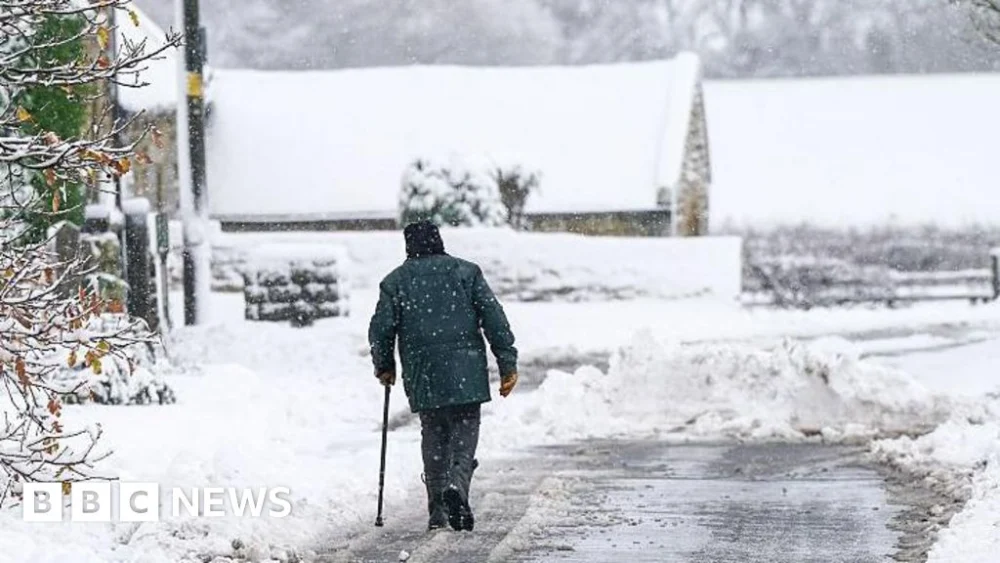
The United Kingdom is poised for an exceptionally challenging start to 2026, as meteorological projections indicate a severe and protracted period of sub-zero temperatures, widespread snowfall, and hazardous icy conditions, threatening significant interruptions to critical infrastructure and posing considerable public health concerns across the four nations. This impending meteorological event, driven by the influx of frigid Arctic air, is anticipated to bring unprecedented levels of disruption to transport networks and daily life, prompting high-level alerts from national weather agencies and health authorities alike.
As the calendar turns to the new year, a potent atmospheric shift is set to envelop the British Isles, ushering in a distinctly wintry epoch. Expert meteorological assessments confirm that an expansive high-pressure system positioned over Scandinavia is facilitating the advection of intensely cold airmasses directly from the Arctic Circle towards the UK. This atmospheric configuration is the primary driver behind the precipitous drop in mercury and the heightened probability of widespread precipitation falling as snow or freezing rain. The initial vanguard of this extreme weather phenomenon is forecast to manifest prominently from Friday onwards, with conditions expected to deteriorate rapidly throughout the day and persist for an extended duration.
The gravest conditions are projected to concentrate over Scotland, where the national weather service has issued severe amber warnings for substantial snowfall commencing around midday on Friday. These elevated alerts signify a high likelihood of significant impacts, including potential for extensive power outages, substantial travel delays, and the possibility of communities becoming isolated. Forecasters indicate that certain elevated and exposed areas within Scotland could witness accumulations reaching up to 40 centimeters of snow, leading to whiteout or blizzard conditions, particularly across regions such as Angus, Perth and Kinross, Grampian, Aberdeenshire, Moray, and specific highland territories. The severity of these warnings underscores the potential for truly paralyzing effects on regional infrastructure.
Beyond Scotland, the entirety of the United Kingdom is not immune to the impending freeze. Yellow warnings for snow and ice have been activated across broad swathes of England, Wales, and Northern Ireland, coming into effect from the very first moments of Friday. While snow accumulations in these areas are predicted to be less extreme than in the Scottish Highlands, with estimates suggesting up to 5 centimeters in many places, the combination of even modest snowfall with pervasive freezing rain and subsequent ice formation presents an equally formidable hazard. The pervasive icy glaze on untreated surfaces, coupled with potential light snow cover, can render roads treacherous and pathways impassable, elevating the risk of slips, falls, and traffic incidents. These yellow warnings are slated to remain active until midday on Friday for England and Wales, with Northern Ireland’s alert concluding slightly earlier, by 10:00 GMT. However, the amber warnings in Scotland are currently projected to persist until midday on Saturday, indicating a more prolonged and intense period of inclement weather for the northern nation.
The ramifications of this severe cold snap are expected to cascade across multiple sectors, with transport infrastructure facing the most immediate and profound challenges. Rail operators are preparing for widespread delays and potential cancellations as tracks may freeze, points systems become inoperable, and overhead lines succumb to ice accumulation. Aviation is also poised for significant disruption, with de-icing procedures for aircraft and runways likely to cause substantial flight delays or outright cancellations at major airports. Road networks, the lifeblood of daily commerce and personal travel, are anticipated to experience severe congestion, hazardous driving conditions, and potential closures, particularly on motorways and A-roads that traverse higher ground or exposed areas. Emergency services and gritters will be working tirelessly, but the sheer scale of the event could overwhelm resources, leading to prolonged periods of difficult travel. Furthermore, the combination of heavy snow and strong winds carries an elevated risk of damage to power lines, leading to localized or even more widespread electricity outages, compounding the challenges for homes and businesses.
In anticipation of these widespread disruptions, public safety authorities and transportation agencies are issuing urgent advisories. Motorists are strongly cautioned against undertaking non-essential journeys, particularly during the peak periods of the severe weather. For those whose travel is unavoidable, meticulous route planning is paramount, with recommendations to allow significantly extended travel times and to remain abreast of the latest traffic and weather updates. A critical recommendation is for drivers to ensure their vehicles are adequately prepared for winter conditions, including checking tyre tread, anti-freeze levels, and windscreen washer fluid. Moreover, the advice extends to packing an emergency kit within the vehicle. This kit should comprehensively include items such as extra layers of warm clothing, a fully charged mobile phone with a portable power bank, sufficient water and non-perishable food supplies, a sturdy blanket or sleeping bag for warmth, a first-aid kit, a torch, jump leads, and an ice-scraper and de-icer. Such preparedness could prove vital in the event of prolonged delays or breakdown in remote areas.
Beyond the immediate travel chaos, the impending cold wave carries significant public health implications. The UK Health Security Agency (UKHSA) has escalated its cold health alerts, issuing amber warnings for the entirety of England. These alerts are not merely procedural; they underscore a tangible and elevated risk to human health, specifically highlighting the potential for a surge in mortality rates, particularly among the elderly, infants, and individuals with pre-existing chronic health conditions such as respiratory illnesses, cardiovascular diseases, or compromised immune systems. Prolonged exposure to low temperatures can exacerbate these conditions, leading to serious complications like hypothermia, frostbite, heart attacks, strokes, and severe respiratory infections.
Public health agencies are emphasizing the importance of maintaining indoor temperatures at safe levels, ideally at or above 18°C (64.4°F). However, this recommendation presents a significant challenge for many households, particularly those grappling with rising energy costs and fuel poverty. The UKHSA notes that cold weather can also impact institutional settings, such as hospitals and care homes, where maintaining optimal indoor temperatures is crucial for patient and resident well-being. The strain on the National Health Service (NHS) is expected to intensify, with an anticipated increase in emergency room admissions for cold-related illnesses and injuries. Care providers are being urged to undertake proactive welfare checks on vulnerable individuals in their communities, ensuring they have adequate heating, food, and medication.
Historically, the UK has experienced periods of severe winter weather, with events such as the ‘Winter of Discontent’ in 1978-79 or the ‘Beast from the East’ in 2018 serving as stark reminders of the nation’s vulnerability to extreme cold. While not an annual occurrence, such deep freezes underscore the need for robust emergency planning and public resilience. These events often highlight the interconnectedness of various societal systems – from energy supply and transport to healthcare and social welfare – and how disruption in one area can cascade into others. The economic fallout from such widespread disruption can be substantial, impacting retail sales, logistics, industrial output, and agricultural operations. Businesses may face staff absenteeism, supply chain interruptions, and decreased consumer footfall, leading to financial strain.
As the nation prepares for what meteorologists describe as a "prolonged spell of very cold weather," the future outlook remains cautious. Forecasts suggest that these wintry hazards could persist well into the following week, with the strong likelihood of further weather warnings being issued as the situation evolves. The dynamic nature of atmospheric conditions necessitates continuous monitoring and the ability to adapt swiftly to changing projections. The Met Office, in conjunction with other emergency planning bodies, will maintain round-the-clock surveillance of weather patterns, providing updated guidance as the cold front progresses and retreats.
In conclusion, the impending Arctic blast represents a significant test for the United Kingdom’s resilience and preparedness. The confluence of heavy snow, widespread ice, and dangerously low temperatures promises to create a challenging environment for citizens, infrastructure, and public services. Vigilance, meticulous preparation, and community solidarity will be paramount in mitigating the adverse impacts of this severe wintry start to 2026. Citizens are strongly encouraged to consult official weather and health advisories regularly, adjust their plans accordingly, and prioritize safety and well-being during this intense period of cold.



 Aura Kasih
 Ayu Aulia

 Safa Marwah