
 Aura Kasih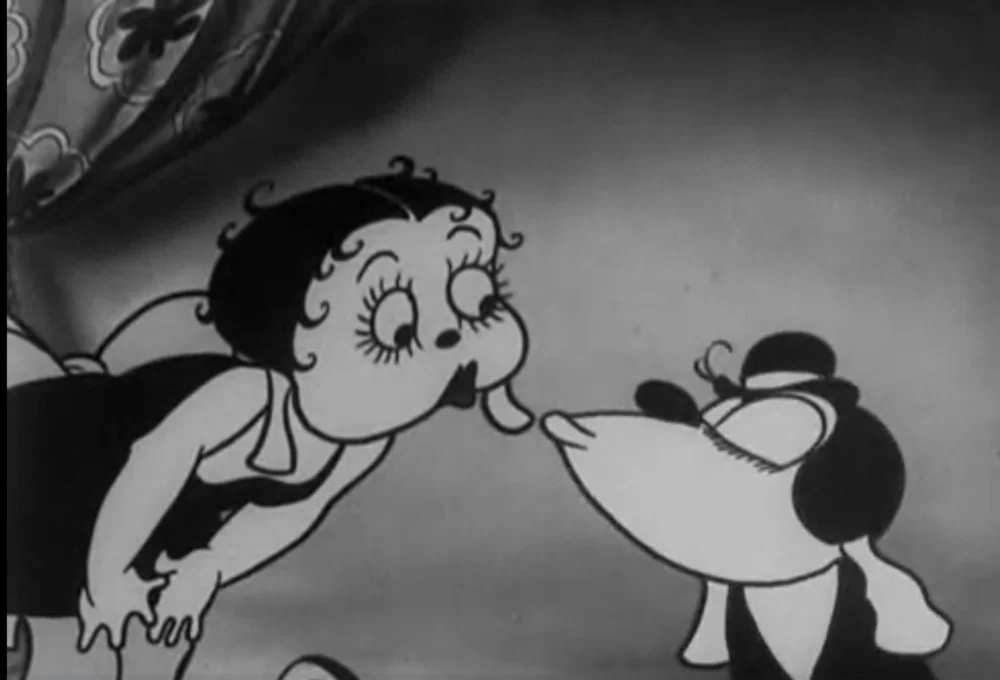
The year 2026 marks a significant cultural milestone as a wealth of beloved creative works, including early iterations of Betty Boop and Pluto, alongside classic literature like Nancy Drew mysteries, transition into the public domain in the United States. This annual liberation from copyright restrictions, often referred to as "Public Domain Day," opens up unprecedented opportunities for creators, scholars, and the public to engage with, adapt, and reimagine these foundational pieces of cultural heritage without legal encumbrance.
The concept of copyright, designed to incentivize creation by granting authors exclusive rights for a limited time, has always operated on a temporal cycle. Works created in a specific year eventually fall out of protection, becoming part of the shared cultural commons. For many years, the United States maintained a copyright term of 75 years for works created before 1978. This means that works from 1930, now eligible for public domain status in 2026, are finally free for unrestricted use, with the notable exception of sound recordings made in 1925, which entered the public domain in 2021. This recurring event, meticulously tracked by institutions like Duke Law School’s Center for the Study of the Public Domain, heralds an annual influx of creative assets into the public sphere.
The transition of 1930 creations into public domain status is particularly noteworthy due to the cultural landscape of that year. The early 1930s represent a fascinating period in cinematic history, existing in a liminal space before the stringent enforcement of the Hays Code. This self-regulatory set of industry guidelines, established to maintain moral standards in filmmaking, was not fully enforced until 1934. Consequently, films produced in 1930 often pushed boundaries, showcasing elements that would later be censored. The film Morocco, starring Marlene Dietrich, exemplifies this era’s relative artistic freedom. Dietrich’s iconic portrayal in a tuxedo and a daring kiss with another woman, a scene unthinkable under later Hays Code dictates, is now available for unrestricted reinterpretation and analysis.
This loosening of creative constraints is also evident in the emergence of groundbreaking animated characters. Betty Boop, the quintessential Fleischer Studios flapper, first graced the screen in 1930’s animated short Dizzy Dishes. Her initial appearance, notably as a canine with ear-like earrings, is now part of the public domain. This distinction is crucial; subsequent, more anthropomorphic versions of Betty Boop may still be subject to copyright. Similarly, the earliest iteration of Disney’s beloved Pluto, then known as Rover, in the 1930 short The Picnic, has now entered the public domain. This means that creators can freely utilize these foundational character designs and concepts in new projects, fostering innovative storytelling and artistic expression. The careful distinction between original public domain appearances and later iterations is a critical consideration for creators navigating intellectual property law.
The "Gaming Like It’s 1930" jam, an initiative inviting developers to create games incorporating works from that specific year, underscores the immediate impact of Public Domain Day. This event highlights the vibrant intersection of historical creative assets and contemporary digital art, demonstrating how classic characters and narratives can inspire new forms of interactive entertainment. The deadline for submissions, typically at the end of January, encourages a rapid creative response to the newly accessible material.

The implications of these works entering the public domain are far-reaching. For academics and researchers, it means unfettered access to primary source materials for study, critique, and historical analysis. This allows for deeper dives into the evolution of storytelling, artistic techniques, and societal norms reflected in these creations. For independent filmmakers, writers, animators, and game developers, it presents a treasure trove of characters, plot devices, and thematic elements that can be woven into new narratives without the burden of licensing fees or legal disputes. This democratizes creative production, enabling a wider range of voices and perspectives to engage with cultural heritage.
The inclusion of Nancy Drew in the public domain, though not explicitly detailed in the original excerpt regarding her 1930 entry, is a significant addition to this year’s cultural windfall. The Hardy Boys and Nancy Drew series, originating in the early 1930s, represent foundational works in children’s literature and mystery genres. Their entry into the public domain allows for new adaptations across various media, from animated series and live-action films to reimagined literary works that can explore contemporary themes through these classic detective frameworks. The enduring appeal of these characters lies in their archetypal nature, making them fertile ground for reinterpretation that can resonate with modern audiences while honoring their historical roots.
The gradual expansion of the public domain serves as a vital counterbalance to the ever-increasing length of copyright terms. While copyright protection is essential for fostering innovation, excessively long terms can stifle creativity by locking away cultural works for generations. Public Domain Day acts as a release valve, ensuring that the collective imagination can continuously draw upon the past to build the future. The works entering the public domain in 2026 are not merely relics; they are active ingredients for new creative endeavors, a testament to the enduring power of human ingenuity.
The ongoing work of institutions like Duke Law School’s Center for the Study of the Public Domain is instrumental in raising awareness about these transitions. Their meticulous cataloging and dissemination of information empower creators and the public alike. Without such dedicated efforts, the nuances of copyright law and the specific works entering the public domain each year might remain obscure, limiting the potential for their reuse.
Looking ahead, the continued influx of classic works into the public domain promises a rich and dynamic cultural landscape. As more copyrighted material ages out of protection, we can anticipate a surge in creative projects that engage with historical genres, characters, and narratives in innovative ways. This cyclical renewal of our shared cultural heritage is essential for artistic progress and ensures that the stories that have shaped our past continue to inspire our future. The year 2026, with its liberation of iconic figures and narratives, stands as a powerful reminder of the dynamic and evolving nature of intellectual property and the boundless potential that arises when creativity is set free.




 Safa Marwah
 Ayu Aulia

