Ridwan Kamil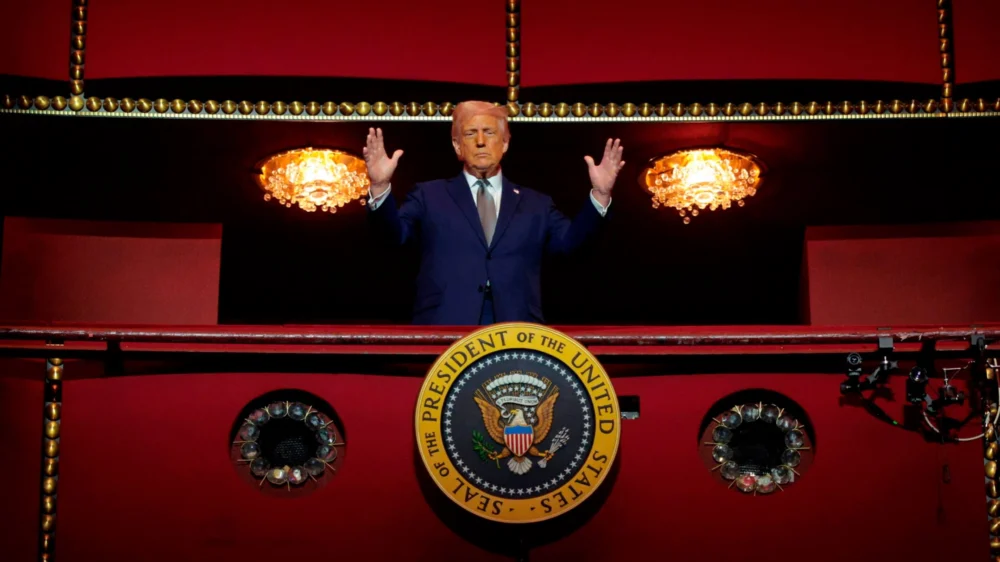
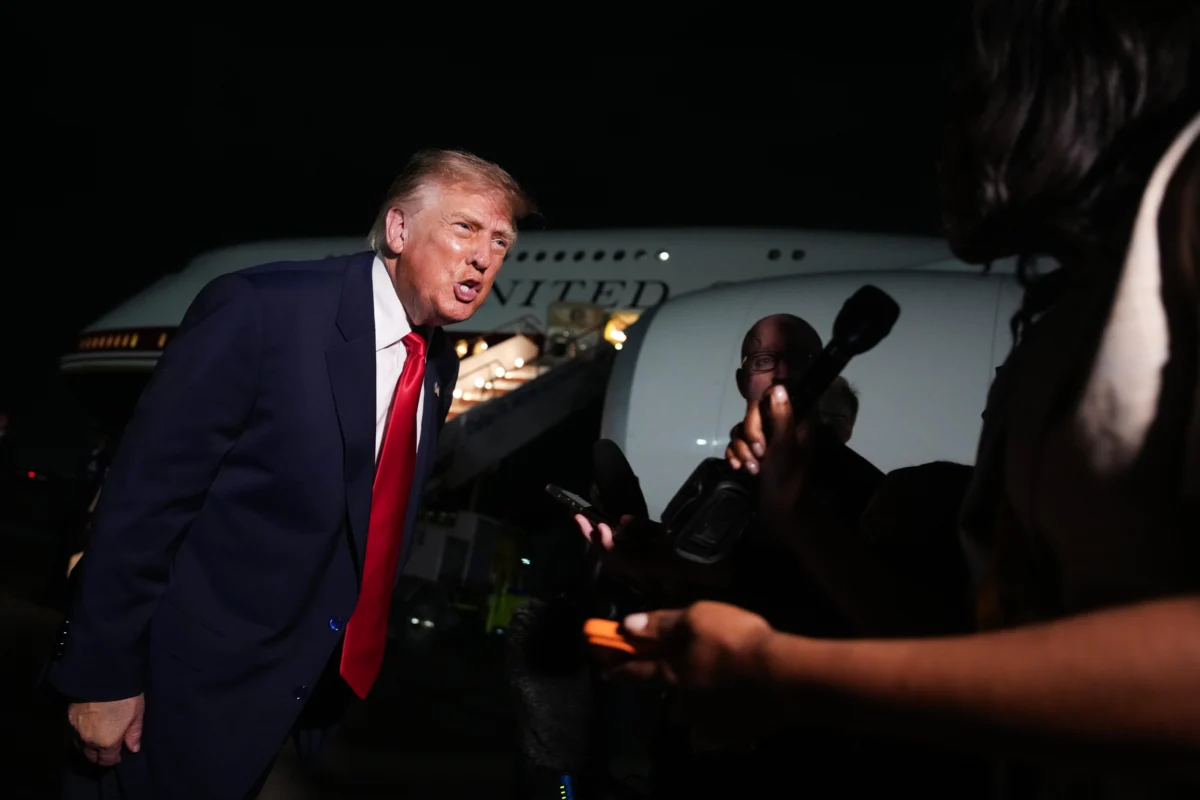
The second year of Donald Trump’s presidency marked a period of intense policy shifts, legislative battles, and evolving geopolitical dynamics, setting a distinctive course for his administration and the nation.
The initial period of Donald Trump’s presidency was characterized by a rapid pace of executive action and a distinctive communication style that challenged established political norms. As the administration entered its second year, the focus began to crystallize on key policy initiatives and the burgeoning consequences of its "America First" agenda. This phase was not merely a continuation of the first year’s momentum but rather a deepening and, in some instances, a recalibration of the administration’s priorities, impacting both domestic and international landscapes. The narrative of this period is one of significant policy pronouncements, substantial legislative endeavors, and a discernible ripple effect across global markets and diplomatic relations.
Domestic Policy: A Legislative Push and Economic Realities
The legislative landscape of Trump’s second year was largely defined by the enduring ramifications of the Tax Cuts and Jobs Act of 2017, enacted in late 2017, which continued to shape economic discourse. This sweeping legislation, a cornerstone of the administration’s economic platform, aimed to stimulate business investment and job growth through significant reductions in corporate and individual income tax rates. Proponents argued that these cuts would unleash a wave of economic expansion, leading to increased employment and higher wages. Critics, however, raised concerns about the growing national debt, the disproportionate benefits to corporations and high-income earners, and the potential for these tax cuts to exacerbate income inequality.
The economic performance during this period became a central talking point, with the administration frequently highlighting positive indicators such as declining unemployment rates, particularly among minority groups, and sustained GDP growth. This economic narrative was consistently leveraged to bolster the administration’s claims of success and to counter criticisms regarding other policy areas. However, a more nuanced analysis necessitates examining the underlying drivers of this economic activity, including the lingering effects of global economic trends and the fiscal stimulus provided by the tax cuts themselves. Questions arose regarding the sustainability of this growth and whether it was broad-based enough to benefit all segments of the population.
Beyond fiscal policy, the administration also pursued deregulation across various sectors, including environmental protection and financial services. The stated objective was to reduce the burden on businesses and foster innovation. However, these deregulatory efforts drew sharp criticism from environmental advocates and consumer protection groups, who warned of potential negative consequences for public health and ecological balance. The long-term implications of these policy shifts on environmental stewardship and financial market stability remained a subject of ongoing debate and scrutiny.
Geopolitical Realignment: Shifting Alliances and Trade Tensions
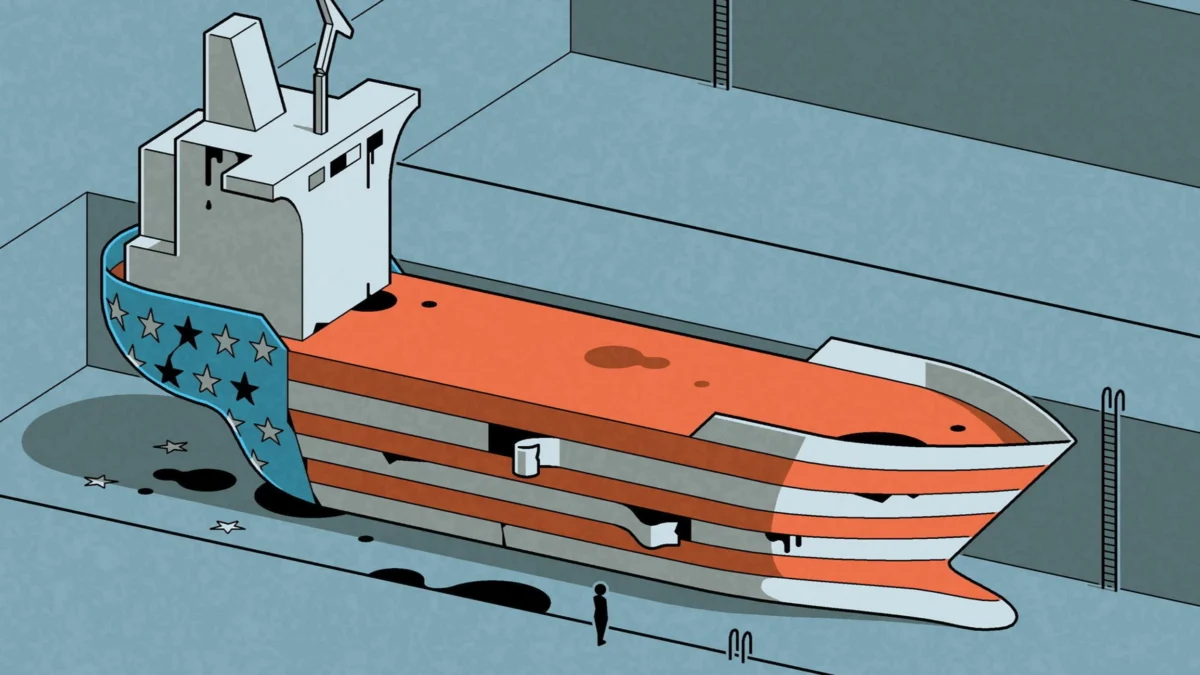
On the international stage, Trump’s second year was marked by a decisive pivot towards a more transactional and assertive foreign policy. The "America First" doctrine translated into a re-evaluation of long-standing alliances and a willingness to challenge multilateral institutions. The administration’s approach to trade, in particular, underwent a dramatic transformation. The imposition of tariffs on goods from key trading partners, including China and European allies, signaled a departure from decades of free trade principles.
The rationale behind these tariffs was to address perceived trade imbalances and to pressure other nations into renegotiating trade agreements deemed unfavorable to the United States. This strategy led to retaliatory tariffs from trading partners, escalating global trade tensions and raising concerns about the stability of the international trading system. The economic impact of these trade disputes was felt across various industries, from agriculture to manufacturing, as supply chains were disrupted and export markets became more uncertain. Businesses grappled with increased costs and the need to adapt to a rapidly changing global economic environment.
Furthermore, the administration’s engagement with traditional allies was often characterized by a transactional tone, emphasizing burden-sharing and questioning the value of existing security arrangements. This approach led to friction with established partners and raised questions about the future of international cooperation on critical issues such as security and climate change. The administration’s withdrawal from or renegotiation of international agreements, such as the Trans-Pacific Partnership and the Iran nuclear deal, underscored its skepticism towards multilateral frameworks and its preference for bilateral deals.
Implications and Future Outlook
The policy decisions and geopolitical shifts of Trump’s second year had far-reaching implications, shaping the trajectory of both domestic policy and international relations for years to come. The economic policies implemented, particularly the tax cuts and deregulation, were intended to foster a period of sustained growth. However, the long-term consequences, including the impact on national debt and income inequality, remained a subject of ongoing analysis and debate among economists and policymakers. The trade wars initiated during this period not only created immediate economic disruptions but also contributed to a broader reordering of global trade dynamics, with potential lasting effects on international commerce and economic interdependence.
In the realm of foreign policy, the administration’s assertive stance and questioning of established alliances had a profound impact on the global order. While proponents argued that this approach led to more favorable outcomes for the United States, critics expressed concerns about the erosion of international norms, the weakening of democratic partnerships, and the potential for increased global instability. The administration’s emphasis on bilateralism and its skepticism towards multilateral institutions signaled a fundamental shift in how the United States engaged with the world, the long-term ramifications of which would continue to unfold.
Looking ahead, the second year of the Trump presidency served as a critical juncture, consolidating many of the administration’s core policy objectives and signaling a distinct direction for the nation. The debates surrounding its economic policies, trade strategies, and foreign policy reorientations continued to resonate, influencing subsequent political discourse and policy development. The period underscored the complexities of navigating domestic economic imperatives with evolving global challenges, and the administration’s approach left an indelible mark on the nation’s policy landscape and its position on the world stage. The legacy of these decisions would be a subject of continued examination and historical evaluation, offering valuable insights into the dynamics of presidential power and the challenges of governance in a rapidly changing world. The administration’s actions during this pivotal second year established a precedent for future policy debates and international engagement, solidifying its place as a significant period in recent American history.

 Aura Kasih
 Safa Marwah
 Ayu Aulia