
 Ayu Aulia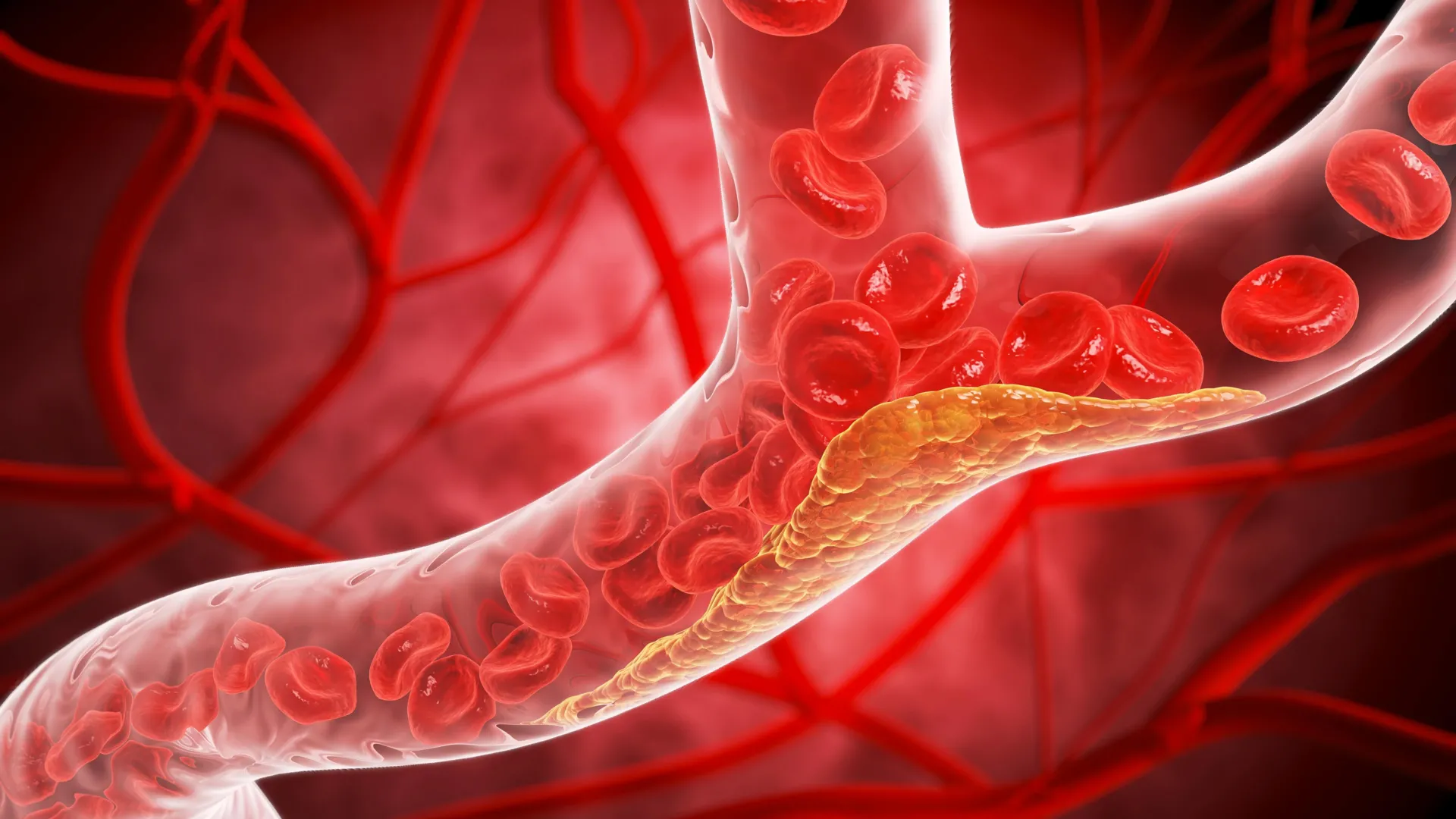
A groundbreaking experimental oral therapy, known as enlicitide, has achieved remarkable success in significantly lowering levels of low-density lipoprotein (LDL) cholesterol, frequently termed "bad" cholesterol, by an average of 60% in a recently concluded Phase 3 clinical investigation. The findings, published in a leading medical journal, suggest that this innovative drug could present a transformative option for millions globally, offering a potent new avenue to mitigate the pervasive risks of myocardial infarction and cerebrovascular accident should it secure regulatory approval.
The current landscape of cardiovascular disease management reveals a substantial unmet need. Despite decades of scientific progress, a significant proportion of individuals diagnosed with established atherosclerotic cardiovascular disease (ASCVD) fail to achieve their recommended LDL cholesterol targets. This persistent challenge underscores the necessity for more effective and accessible therapeutic interventions. Experts believe that an orally administered treatment exhibiting such robust efficacy possesses the potential to profoundly enhance primary and secondary prevention strategies for heart attacks and strokes on a population-wide scale. The pivotal study was spearheaded by Dr. Ann Marie Navar, a distinguished cardiologist and Associate Professor of Internal Medicine at UT Southwestern Medical Center, and received sponsorship from a major pharmaceutical developer.
The Enduring Imperative of LDL Cholesterol Reduction
The scientific community has long recognized the critical role of LDL cholesterol in the pathogenesis of cardiovascular disease. These lipid-carrying particles, when present in elevated concentrations, are prone to accumulating within the arterial walls, initiating a pathological process termed atherosclerosis. Over time, this accumulation leads to the formation of plaque, which can progressively narrow and harden arteries, impeding normal blood flow. Such blockages are primary instigators of acute coronary events and ischemic strokes. Consequently, the strategic reduction of LDL cholesterol remains a cornerstone of both preventative cardiology and the management of existing cardiovascular conditions. Effective lipid-lowering therapies are vital in diminishing disease progression and improving patient outcomes.
A Legacy of Discovery: From Basic Science to Clinical Innovation
The development of enlicitide is deeply rooted in a rich legacy of scientific inquiry, particularly from institutions like UT Southwestern. This lineage traces back to foundational discoveries that redefined our understanding of lipid metabolism. Decades ago, Drs. Michael Brown and Joseph Goldstein, pioneering researchers, elucidated the crucial function of the LDL receptor on liver cells, a mechanism vital for clearing LDL cholesterol from the bloodstream. This seminal work garnered them the Nobel Prize in Physiology or Medicine in 1985 and laid the intellectual groundwork for the development of statins, which remain the most widely prescribed class of cholesterol-lowering medications today. Statins revolutionized cardiovascular care by inhibiting cholesterol synthesis and increasing LDL receptor expression, thereby enhancing the removal of LDL from circulation.
Further advancements emerged from the Dallas Heart Study at UT Southwestern, led by Drs. Helen Hobbs and Jonathan Cohen. Their investigations unveiled a fascinating genetic insight: certain individuals naturally exhibit lower LDL cholesterol levels due to genetic variations that diminish the production of a protein known as PCSK9. This protein plays a counterproductive role by binding to and degrading LDL receptors on liver cells, thereby reducing the liver’s capacity to remove LDL cholesterol from the blood. This pivotal discovery ignited the development of a new class of drugs: PCSK9 inhibitors. These groundbreaking therapies, initially developed as injectable monoclonal antibodies and later as RNA-based treatments (such as evolocumab and alirocumab), directly target PCSK9, preventing it from interfering with LDL receptors. These injectable agents have demonstrated impressive efficacy, often achieving LDL cholesterol reductions comparable to the 60% observed with enlicitide.
Navigating the Challenges of Existing Advanced Therapies
Despite their profound effectiveness, the currently available injectable PCSK9 inhibitors have not achieved widespread adoption in routine clinical practice. Initial hurdles included their high cost and the complexities of insurance coverage, which often necessitated rigorous prior authorization processes. While these access barriers have seen some improvement over time, a lingering reluctance among clinicians to routinely prescribe these therapies persists. A primary contributing factor to this underutilization is the route of administration; these medications require subcutaneous injections, a method that many patients and physicians find less desirable than an oral pill. The inconvenience and potential discomfort associated with injections can significantly impact patient adherence, a critical determinant of therapeutic success in chronic disease management. This preference for oral dosing underscores a substantial unmet need for equally effective, yet more patient-friendly, lipid-lowering options.
Enlicitide’s Novel Approach: Oral Efficacy in PCSK9 Inhibition
Enlicitide represents a significant pharmacological innovation by targeting the identical PCSK9 pathway as its injectable predecessors, but crucially, it does so through an oral route. The drug functions by binding to the PCSK9 protein circulating in the bloodstream, effectively neutralizing its ability to degrade LDL receptors. This mechanism allows liver cells to maintain a higher density of LDL receptors on their surface, thereby enhancing the body’s natural ability to clear LDL cholesterol from the blood more efficiently. The key differentiator for enlicitide is its daily oral administration, a factor that profoundly simplifies the treatment regimen for patients and potentially addresses the adherence challenges associated with injectable therapies. This oral convenience is poised to be a major advantage in expanding access and improving compliance for individuals requiring intensive LDL cholesterol lowering.
Robust Clinical Trial Outcomes: A 60% Reduction in "Bad" Cholesterol
The Phase 3 clinical trial for enlicitide enrolled a diverse cohort of 2,909 participants, all of whom either had established atherosclerosis or were at elevated risk due to co-morbid health conditions. Participants were randomized, with approximately two-thirds receiving enlicitide and the remaining third allocated to a placebo group. Notably, a large majority of participants were already receiving statin therapy, yet their average baseline LDL cholesterol level remained at 96 milligrams per deciliter (mg/dl). This level is considerably above the recommended targets of 70 mg/dl for individuals with established atherosclerosis and an even stricter 55 mg/dl for those at very high risk of atherosclerotic cardiovascular disease. This patient population accurately reflects the real-world clinical scenario, where even maximal statin therapy often proves insufficient to achieve optimal cholesterol goals for many high-risk patients.
Following a 24-week treatment period, patients receiving enlicitide experienced an impressive reduction in their LDL cholesterol levels by approximately 60% when compared to the placebo group. Crucially, these substantial reductions were sustained over a full year of follow-up, indicating durable efficacy. Beyond LDL cholesterol, enlicitide also demonstrated beneficial effects on other significant markers of cardiovascular risk, including non-HDL lipoprotein cholesterol, apolipoprotein B (apoB), and lipoprotein(a) [Lp(a)]. These additional reductions are clinically important, as elevated levels of these markers are independently associated with an increased risk of cardiovascular events. The magnitude of these reductions in LDL cholesterol represents an unprecedented achievement for an oral pharmacological agent since the advent of statins, marking a potential paradigm shift in lipid management.
Implications for Clinical Practice and Patient Care
The introduction of an oral PCSK9 inhibitor like enlicitide holds profound implications for clinical practice and patient care. The primary benefit lies in its potential to significantly improve patient adherence. The simplicity of taking a daily pill, as opposed to self-injecting, is likely to be a major factor in enhancing treatment compliance, thereby maximizing the therapeutic benefit. For patients struggling to reach their LDL goals despite statin therapy, or those who are statin-intolerant, enlicitide could offer a highly effective and convenient alternative or add-on. This could translate into fewer cardiovascular events across the population, reducing the burden on healthcare systems and improving quality of life for millions.
Furthermore, the drug’s mechanism of action, by targeting the PCSK9 pathway, offers a complementary approach to statins. While statins primarily reduce cholesterol synthesis and upregulate LDL receptors, PCSK9 inhibitors prevent the degradation of these receptors, allowing for sustained and enhanced clearance of LDL. This synergistic effect underscores the potential for combination therapies that could achieve even more aggressive lipid lowering in the highest-risk patient populations. The ability to address residual cardiovascular risk, which persists even with optimal statin therapy, is a critical step forward.
The Path Forward: Outcomes Trials and Future Prospects
While the robust reduction in LDL cholesterol demonstrated by enlicitide is highly promising, the ultimate measure of any cardiovascular therapy is its ability to reduce actual clinical events such as heart attacks and strokes. To address this critical question, an additional, large-scale clinical trial is currently underway. This "outcomes trial" is designed to definitively determine whether the observed lipid reductions translate into a tangible decrease in cardiovascular morbidity and mortality. Such trials are typically lengthy and involve thousands of participants, but their results are indispensable for establishing the full clinical utility and public health impact of a new drug.
Beyond confirming cardiovascular outcomes, future research will also focus on the long-term safety profile of enlicitide. While Phase 3 trials provide extensive safety data, continued post-market surveillance and real-world data collection will be crucial to identify any rare or long-term adverse effects. Furthermore, investigations into its cost-effectiveness compared to existing therapies will be vital for broader adoption and reimbursement decisions by healthcare payers. The potential for enlicitide to integrate into diverse treatment algorithms, including its use in specific patient populations such as those with familial hypercholesterolemia, will also be a key area of study.
The scientific journey from the initial discovery of the LDL receptor and the PCSK9 mechanism to the development of an effective oral PCSK9 inhibitor exemplifies the power of sustained translational research. The collaborative efforts of dedicated scientists and clinicians have culminated in a therapy that holds the promise of fundamentally altering the landscape of cardiovascular disease prevention and management. As regulatory bodies evaluate the comprehensive data, the prospect of an accessible, highly effective oral medication for reducing LDL cholesterol offers renewed hope in the ongoing battle against heart disease and stroke.




 Lisa Mariana
 Aura Kasih


 Safa Marwah