Lisa Mariana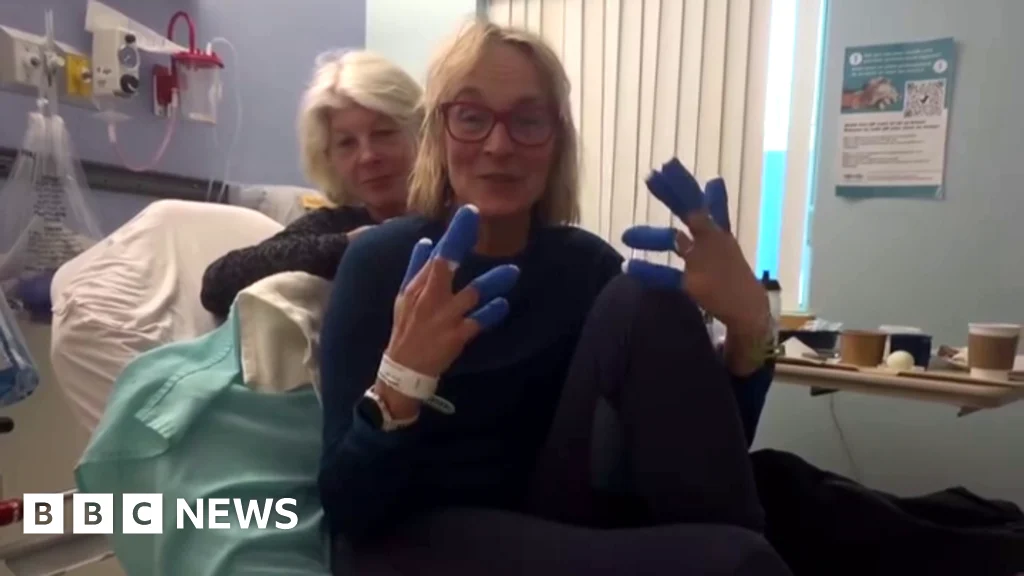
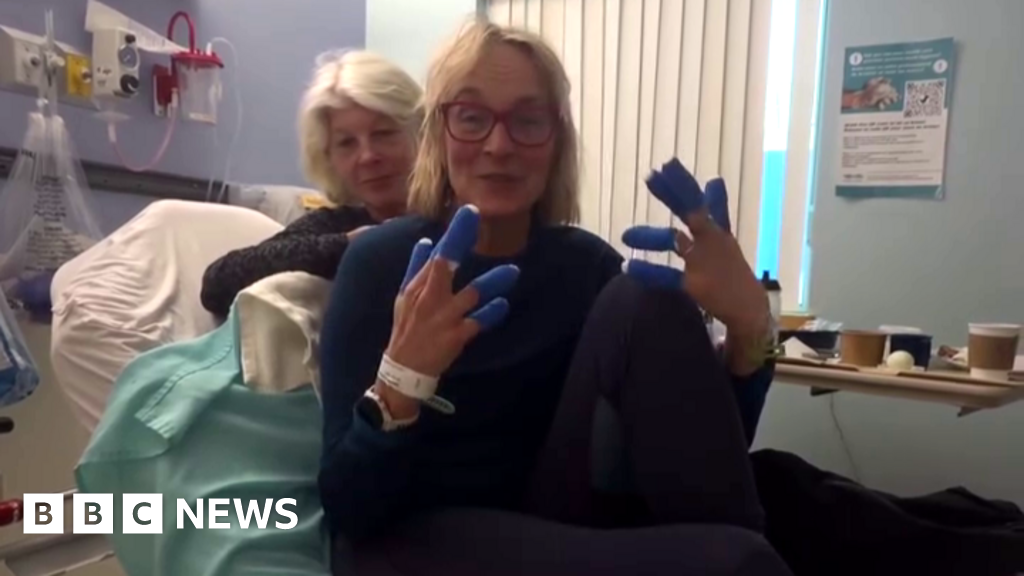
Renowned British broadcaster Louise Minchin required immediate medical attention and subsequent hospitalization after sustaining frostbite during a gruelling Arctic cycling expedition in Canada’s remote Northwest Territories. The incident led to the premature conclusion of her ambitious 300-mile (483km) charity endeavour, undertaken to generate vital funds for the Duke of Edinburgh’s Award, a global youth achievement program. The former BBC Breakfast presenter, aged 57, alongside her formidable teammate, Guinness World Record-holding endurance athlete Mimi Anderson, was compelled to withdraw from the challenge after encountering perilously low temperatures and extreme wind chill, which rapidly escalated the risks despite meticulous preparation.
The “Inuvik Weekend Warrior Fat Bike Challenge” is a formidable test of human resilience, traversing some of the most unforgiving landscapes on Earth. Participants navigate frozen rivers, isolated highways, and vast stretches of Canada’s Arctic wilderness on specialized fat bikes designed for snow and ice. Minchin and Anderson were approximately 14 hours into their three-day journey when the decision was made to cease their participation. This withdrawal occurred after they had covered approximately 140 kilometres (87 miles) in conditions that plummeted to an astonishing -40 degrees Celsius (-40 Fahrenheit). The combination of such extreme ambient temperatures and relentless wind created a highly dangerous environment, rapidly compromising the safety of the participants.
Minchin communicated her situation to her followers from a hospital bed, confirming that both she and Anderson were safe, warm, and receiving excellent medical care. Her message underscored the gravity of their decision to pull out, stating, "We are out of the race but we are safe, warm and being well looked after." The severity of the conditions they faced highlights the inherent unpredictability and unforgiving nature of Arctic environments, even for highly experienced individuals. The extensive training and specialized gear employed by such athletes are designed to mitigate risks, but certain environmental convergences can render continuation untenable.
The medical diagnosis for both athletes was frostbite, a severe tissue injury resulting from exposure to freezing temperatures. This condition, if not addressed promptly, can lead to permanent damage and, in extreme cases, necessitate amputation. The swift action of the expedition team and the athletes themselves in recognizing the danger and withdrawing was critical in preventing more severe outcomes. The incident serves as a stark reminder of the fine line between endurance and peril in extreme sports, emphasizing the paramount importance of robust safety protocols and the willingness to prioritize well-being over the completion of a challenge.
Understanding Frostbite: A Medical Perspective
Frostbite occurs when skin and underlying tissues freeze. The body’s natural response to extreme cold is to restrict blood flow to extremities – fingers, toes, ears, and nose – to conserve core body heat for vital organs. While this mechanism is life-saving in the short term, prolonged vasoconstriction (narrowing of blood vessels) deprives these tissues of oxygen and nutrients. As temperatures drop further, ice crystals form within and around cells, causing direct cellular damage, disrupting cell membranes, and leading to tissue death.
Frostbite is typically classified into several degrees of severity, similar to burns:
- First-degree (Frostnip): Superficial freezing of the skin, causing numbness, tingling, and a pale or reddish appearance. It’s often reversible with rewarming, leaving no permanent damage.
- Second-degree (Superficial Frostbite): Involves freezing of the outer skin layers and some underlying tissue. Blisters filled with clear or milky fluid may form within 12-24 hours after rewarming. The skin may feel hard and waxy.
- Third-degree (Deep Frostbite): Freezing extends into deeper layers of tissue, affecting nerves, blood vessels, and muscles. Blisters will be blood-filled, and the skin may appear blue or purplish. A hard, black eschar (dead tissue) often forms over several weeks.
- Fourth-degree (Full-thickness Frostbite): The most severe form, involving freezing of bone, muscle, and tendons. The affected area is completely numb and appears mottled, cold, and hard. Extensive tissue death leads to mummification, often requiring amputation.
The average temperatures in Canada’s Northwest Territories during March typically range from -13°C to -23°C (8.6°F to -9.4°F). However, on the day of the incident, conditions were significantly more severe, with ambient temperatures dropping to -30°C (-22°F) in certain areas. Crucially, the wind chill factor amplified the perceived cold to an estimated -36°C (-33°F). At such extreme wind chills, frostbite can develop in exposed skin in as little as 10 minutes, making rapid assessment and intervention imperative. The human body’s thermoregulatory system is overwhelmed, and protective clothing, while vital, can only delay the inevitable tissue damage under such conditions.
The Call to Withdraw: Prioritizing Safety in Extreme Environments
The decision by Minchin and Anderson to withdraw from the challenge, despite their extensive preparation and commitment, underscores the critical importance of dynamic risk assessment in extreme environments. Both athletes are highly experienced in endurance events and would have undertaken rigorous training and equipped themselves with state-of-the-art cold-weather gear. Minchin, known for her physical fitness, has previously completed various challenging events, including marathons and triathlons. Mimi Anderson is a legendary figure in ultra-endurance running, holding multiple world records for long-distance events in diverse terrains. Their combined experience would have provided an acute awareness of the signs of impending danger.
The expedition team’s protocols would undoubtedly include continuous monitoring of weather conditions, participant health, and the rapid deployment of emergency procedures. In such environments, conditions can deteriorate swiftly and unexpectedly, transforming a manageable challenge into a life-threatening ordeal. The subjective feeling of being "dangerously cold," as described by Minchin, coupled with objective physiological indicators, would have triggered the necessary safety protocols. The wisdom of experienced guides and medical support teams is paramount in making the difficult but often life-saving call to halt an expedition. This decision, while disappointing for the athletes and their fundraising goals, ultimately demonstrates responsible leadership and a commitment to preserving human life.
The Duke of Edinburgh’s Award: A Legacy of Youth Development
The charitable dimension of this expedition highlights the broader societal impact of such endeavours. Louise Minchin and Mimi Anderson embarked on this arduous journey to raise funds for the Duke of Edinburgh’s Award, an internationally recognized program designed to empower young people. Founded in 1956 by Prince Philip, Duke of Edinburgh, the award encourages participants aged 14 to 24 to engage in a balanced program of voluntary service, physical recreation, skill development, and adventurous journeys. Its core aim is to foster self-reliance, leadership, and a sense of community responsibility, helping young people develop essential life skills and prepare for their future.
High-profile participation from individuals like Minchin significantly elevates the visibility of the Duke of Edinburgh’s Award, attracting public attention and, critically, donations. While the physical challenge was curtailed, the story of their bravery, resilience, and the subsequent medical incident will likely amplify awareness for the charity’s mission. The public often connects with personal stories of struggle and triumph, particularly when undertaken for a noble cause. This incident, while unfortunate in its physical toll, serves to underscore the dedication of the participants and, by extension, the importance of the cause they championed.
Implications and Future Outlook
The immediate implication for Louise Minchin and Mimi Anderson is a period of recovery from frostbite. The healing process can vary widely depending on the severity of the injury. Superficial frostbite typically resolves without long-term complications, but deeper tissue damage can lead to chronic pain, numbness, hypersensitivity to cold, and a persistent risk of re-injury. Medical care will involve careful rewarming protocols, pain management, infection prevention, and potentially physical therapy to restore function. Close monitoring will be necessary to assess the full extent of tissue damage and determine the long-term prognosis.
Beyond the personal health implications, the incident contributes to a broader discourse on safety in extreme endurance sports. While these challenges inspire and push the boundaries of human capability, they inherently carry significant risks. The incident serves as a case study for future expeditions, reinforcing the need for continuous innovation in cold-weather gear, advanced physiological monitoring, and robust emergency response systems. It also reminds participants and organizers alike that even with the best preparation, nature’s forces can be unpredictable and overwhelming, necessitating a profound respect for environmental limits.
It remains to be seen whether Minchin or Anderson will attempt a similar Arctic challenge in the future. Their commitment to the Duke of Edinburgh’s Award and their proven resilience suggest that their spirit of adventure and dedication to charitable causes will likely persist. For now, the focus will be on their complete recovery, a process that highlights both the incredible fortitude of endurance athletes and the humbling power of the natural world. The narrative of their abbreviated journey, marked by both ambition and adversity, will undoubtedly resonate, ensuring continued support and recognition for the vital work of the Duke of Edinburgh’s Award. The incident serves as a potent reminder that while the pursuit of extraordinary feats can inspire, the fundamental imperative remains the preservation of life and well-being.


 Aura Kasih
 Safa Marwah
 Ayu Aulia