Ayu Aulia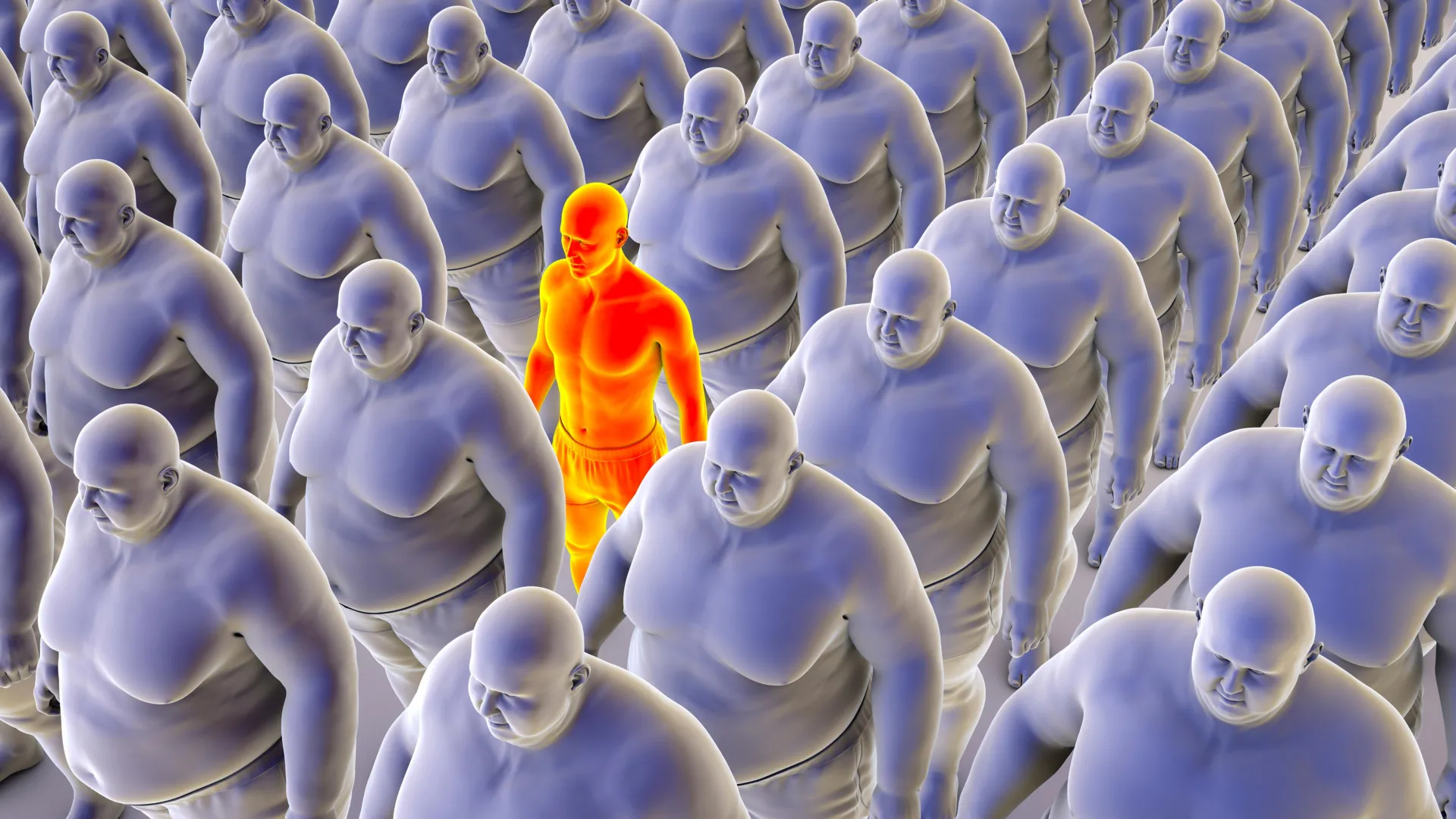
The United States faces a profound re-evaluation of its public health landscape as a newly proposed clinical framework for obesity could classify nearly 70% of its adult population as having the condition, fundamentally altering perceptions of metabolic health and disease risk. This transformative reclassification, stemming from criteria advanced by the Lancet Diabetes and Endocrinology Commission and subsequently analyzed by researchers at Mass General Brigham, suggests a far more pervasive prevalence than previously understood, demanding urgent reconsideration of diagnostic and therapeutic strategies.
For decades, the global understanding and diagnosis of obesity have largely hinged on the Body Mass Index (BMI), a simple ratio of an individual’s weight to the square of their height. While accessible and broadly applicable for large-scale population studies, the BMI’s inherent limitations have long been acknowledged within medical and scientific communities. It fails to differentiate between lean muscle mass and adipose tissue, leading to potential misclassifications where muscular individuals might be deemed "overweight" or "obese," while those with low muscle mass but high body fat percentage could fall within a "normal" BMI range despite significant metabolic risk. Crucially, BMI provides no insight into the distribution of fat within the body, an increasingly recognized determinant of health outcomes. Adiposity concentrated around the abdomen, known as visceral fat, is particularly associated with an elevated risk of cardiovascular disease, type 2 diabetes, and other metabolic complications, distinct from subcutaneous fat found elsewhere. This fundamental oversight has meant that a substantial segment of the population at heightened health risk has remained undetected by traditional diagnostic methods, constituting a hidden burden of disease.
The inadequacy of BMI as a sole diagnostic criterion spurred the Lancet Diabetes and Endocrinology Commission to develop a more comprehensive framework earlier this year. This updated definition integrates not only BMI but also additional anthropometric measures that offer a clearer picture of body composition and fat distribution. These supplementary measurements include waist circumference, which directly assesses abdominal fat; the waist-to-height ratio, providing a normalized measure of central adiposity; and the waist-to-hip ratio, another indicator of fat distribution patterns. By incorporating these more nuanced metrics, the new guidelines aim to identify individuals whose body composition, regardless of their overall weight, places them at an increased risk for obesity-related health complications. The scientific consensus supporting this more holistic approach is evident in its endorsement by over 76 prominent medical organizations, including the American Heart Association and The Obesity Society, signaling a significant shift in expert opinion and a unified call for improved diagnostic precision.
Researchers from Mass General Brigham undertook a comprehensive study to assess the real-world impact of applying these revised criteria within the United States. Utilizing data from more than 300,000 participants within the National Institutes of Health All of Us Research Program, their analysis provided a stark illustration of the redefinition’s profound implications. Under the traditional BMI-centric approach, approximately 42.9% of the adult population was categorized as having obesity. However, when the updated framework was applied, this figure surged dramatically to 68.6%. This substantial increase, representing an additional 25.7% of the adult population, was almost entirely attributable to a newly identified category: individuals classified as having "anthropometric-only obesity." This group comprises individuals with a "normal" BMI who, despite not meeting previous obesity criteria, exhibit at least two elevated anthropometric measures, signaling concerning levels of body fat and adverse distribution patterns. Conversely, those with a high BMI alongside at least one elevated anthropometric measure are now categorized as "BMI-plus-anthropometric obesity," indicating a more explicit and reinforced diagnosis.
A critical refinement within the new framework is the distinction between preclinical and clinical forms of obesity. Clinical obesity is specifically defined by the presence of obesity-related physical impairment or organ dysfunction, such as joint pain significantly impacting mobility or evidence of non-alcoholic fatty liver disease. This stratification allows for a more granular assessment of disease severity and guides tailored intervention strategies. The study revealed that roughly half of all participants meeting the new definition, across both BMI-plus-anthropometric and anthropometric-only categories, were classified as having clinical obesity, underscoring the immediate health relevance of these expanded diagnostic criteria.
The demographic analysis of the study’s findings yielded particularly striking results concerning age. While obesity rates under the new definition differed across various sex and racial groups, the most pronounced effect was observed among older adults. Nearly 80% of individuals over 70 years of age met the criteria for obesity under the updated guidelines. This amplification among the elderly population is physiologically plausible, as aging often involves a decrease in lean muscle mass (sarcopenia) and a concomitant increase in visceral fat accumulation, even if overall body weight remains stable or decreases. This highlights a critical, previously under-recognized vulnerability within a demographic already contending with multiple chronic health conditions and a higher demand for healthcare services.
Beyond mere reclassification, the study critically investigated the health implications for these newly identified groups. The findings revealed that individuals with anthropometric-only obesity, who would have been overlooked by prior definitions, exhibited significantly higher rates of serious health problems. Specifically, this cohort demonstrated an elevated incidence of type 2 diabetes, cardiovascular disease, and increased mortality compared to individuals without obesity. This compelling evidence validates the necessity of the updated definition, demonstrating that these previously "normal" individuals are indeed at substantial metabolic risk, thereby expanding the scope of individuals requiring medical attention and intervention.
The implications of this redefinition are far-reaching, extending across public health, clinical practice, and the pharmaceutical industry. From a public health perspective, the sudden classification of nearly 70% of adults as having obesity transforms what was already considered an epidemic into a near-universal challenge. This necessitates a fundamental re-evaluation of public health campaigns, preventive strategies, and resource allocation. Traditional messaging may need to evolve to address body composition and fat distribution rather than solely focusing on weight. For clinicians, the new guidelines present a call to action. Routine physical examinations may need to incorporate anthropometric measurements beyond BMI, prompting discussions with patients about body composition even if their BMI falls within a "healthy" range. The identification of a vast, previously undiagnosed at-risk population raises critical questions about the appropriate therapeutic approaches. Are existing obesity medications, such as GLP-1 receptor agonists, or bariatric surgery suitable for the anthropometric-only group? What role do lifestyle interventions, including targeted dietary changes and exercise regimens, play in this expanded cohort? The pharmaceutical sector will undoubtedly observe a significantly expanded market for anti-obesity medications and related diagnostics, potentially driving innovation in treatments specifically tailored to addressing central adiposity and its metabolic consequences.
Looking ahead, the researchers emphasize the urgent need for further investigation into the etiology and optimal management of anthropometric-only obesity. Understanding the specific physiological mechanisms that drive this phenotype—whether genetic predispositions, specific dietary patterns, sedentary lifestyles, or other environmental factors—will be crucial for developing targeted and effective interventions. Clinical trials will be essential to evaluate the efficacy of various treatment modalities, from pharmacological agents to behavioral therapies and exercise prescriptions, in improving health outcomes for this newly recognized population. Moreover, the integration of advanced body composition analysis techniques, such as DEXA scans or bioelectrical impedance analysis, into routine clinical practice could provide even greater precision in diagnosing and monitoring changes in fat and muscle mass.
This paradigm shift underscores a more sophisticated understanding of health risk, moving beyond the simplistic measure of weight to embrace the complexities of body composition and fat distribution. As Dr. Steven Grinspoon, senior author of the study, highlighted, the recognition of increased cardiovascular disease and diabetes risk in individuals previously not labeled as obese compels a reconsideration of existing therapeutic paradigms. The message is clear: body composition matters profoundly, often more so than the number on a scale. This comprehensive re-evaluation of obesity criteria promises to reshape medical practice, public health policy, and personal health awareness for decades to come, bringing a more accurate and actionable understanding of metabolic health to the forefront.




 Aura Kasih
 Safa Marwah