Ridwan Kamil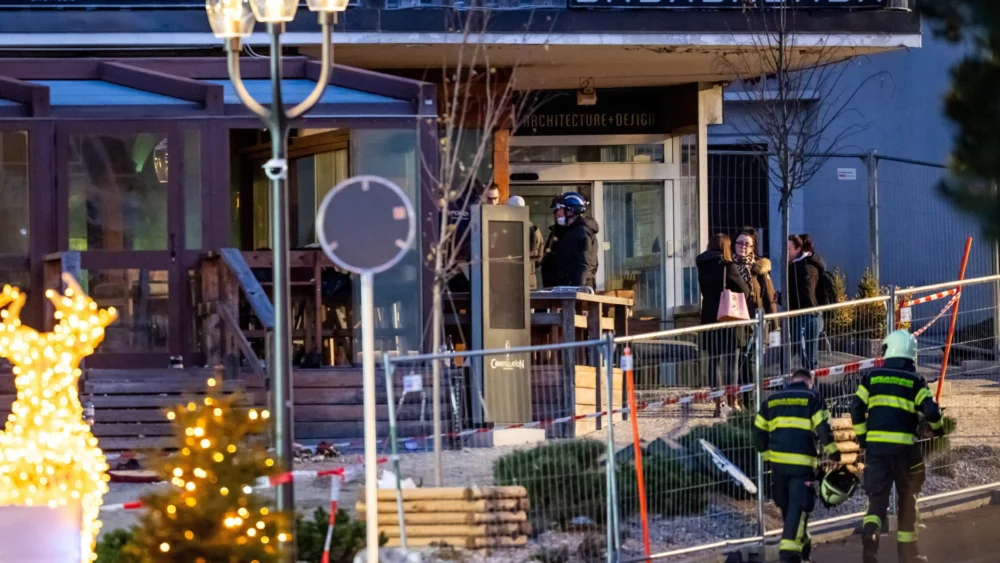
A catastrophic fire, described as one of the worst in recent Swiss history, has engulfed a renowned ski resort in the Swiss Alps, resulting in the deaths of several dozen individuals. The blaze, which erupted under circumstances still under investigation, has devastated a popular destination for winter sports enthusiasts and highlighted critical vulnerabilities in resort safety protocols.
The inferno, which began in the early hours of the morning, rapidly consumed a significant portion of the resort’s primary lodge and associated accommodation structures. Initial reports suggest the fire spread with alarming speed, overwhelming the capacity of on-site emergency services and prompting a large-scale response from regional fire departments and rescue teams. The remoteness of the location and the challenging mountainous terrain are understood to have complicated immediate containment efforts, allowing the conflagration to gain a destructive momentum.
The resort, a jewel in the crown of Swiss alpine tourism, is celebrated for its world-class skiing facilities, luxurious accommodations, and breathtaking panoramic vistas. Attracting a diverse international clientele, from seasoned skiers to those seeking an opulent winter escape, it has long been a symbol of Swiss precision and hospitality. The devastating impact of this fire extends beyond the immediate loss of life, casting a long shadow over the region’s vital tourism industry and raising serious questions about the preparedness of such high-profile establishments to confront catastrophic events.
Unfolding Disaster: The Chronology of the Blaze
Details regarding the precise origin of the fire remain elusive, with preliminary investigations focusing on potential electrical faults, accidental ignition, or even arson. Eyewitness accounts, albeit fragmented amidst the chaos, describe a swift and terrifying escalation. Many guests, reportedly asleep in their rooms, were awakened by smoke alarms or the roar of the flames, finding themselves trapped by rapidly spreading fire and smoke. The structural integrity of the buildings, many of which were constructed with traditional alpine materials that can be highly combustible, is believed to have contributed to the rapid spread.
Emergency services were alerted shortly after the first signs of the blaze. However, the inherent challenges of responding to a major incident in a mountainous, often snow-covered environment, significantly hampered initial response times. Access routes for fire engines and rescue personnel were likely obstructed by snowdrifts and the narrow, winding mountain roads. The sheer scale of the fire would have necessitated a coordinated effort involving multiple regional brigades, each bringing specialized equipment and expertise to bear on the unfolding crisis.
The aftermath of the fire reveals a scene of utter devastation. The once-grand structures are now skeletal remains, blackened and scorched, a stark testament to the ferocity of the inferno. Rescue teams have been working tirelessly amidst the wreckage, facing perilous conditions and the heart-wrenching task of identifying victims and searching for any survivors. The immediate priority has been the recovery of those lost and the provision of support for the injured and traumatized.
The Human Cost: A Community in Mourning
The human toll of this tragedy is immeasurable. The victims represent a cross-section of society, including tourists from various nations and potentially resort staff. The loss of so many lives in such a sudden and violent manner has sent shockwaves through the global community, particularly among those who have visited or dreamed of visiting this picturesque destination. Families are now grappling with unimaginable grief, desperately seeking information about their loved ones.
The psychological impact on survivors and first responders is also a significant concern. Witnessing such widespread destruction and loss of life can have profound and lasting effects. Comprehensive psychological support services will be essential in the days, weeks, and months to come, providing a crucial lifeline for those affected by this devastating event.
Investigating the Cause: A Multi-Faceted Inquiry
A comprehensive and rigorous investigation into the cause of the fire has been initiated. This will undoubtedly involve forensic analysis of the site, examination of the resort’s infrastructure, and interviews with survivors, staff, and any potential witnesses. Authorities will be scrutinizing building codes, fire safety regulations, and maintenance records to ascertain whether any failures in compliance or oversight contributed to the disaster.
Potential contributing factors that investigators will explore include:
- Electrical Systems: Faulty wiring, overloaded circuits, or malfunctioning electrical appliances are common ignition sources for fires. The age and maintenance history of the resort’s electrical infrastructure will be a critical area of focus.
- Heating Systems: In a cold-weather resort, heating systems are in constant use. Malfunctioning boilers, chimneys, or associated components could pose a significant fire risk.
- Accidental Ignition: Open flames, such as those from candles or discarded smoking materials, can easily ignite flammable materials, especially in older structures or those with inadequate fire prevention measures.
- Arson: While less common, the possibility of deliberate ignition cannot be ruled out and will be a subject of thorough investigation.
- Structural Vulnerabilities: The rapid spread of fire can be exacerbated by building materials and design. Older wooden structures, common in alpine architecture, can be highly susceptible to fire. The presence of adequate fire breaks and compartmentalization within the buildings would have been crucial.
The investigation will likely be complex and time-consuming, requiring the expertise of fire investigators, engineers, and potentially international law enforcement agencies if foreign nationals are found to be complicit or victims.
Resort Safety: A Looming Question Mark
This tragedy inevitably casts a spotlight on the effectiveness of fire safety measures in high-end tourist destinations, particularly in remote and challenging environments. While many resorts adhere to stringent safety regulations, the scale of this disaster suggests potential systemic weaknesses or oversights. Key areas of scrutiny will include:
- Fire Detection and Suppression Systems: The functionality and adequacy of smoke detectors, sprinkler systems, and other fire suppression technologies will be thoroughly reviewed. Were these systems operational and properly maintained?
- Evacuation Procedures: The clarity and effectiveness of evacuation plans are paramount. Were guests adequately informed of emergency procedures? Were escape routes clearly marked and unobstructed?
- Building Materials and Fire Resistance: The choice of construction materials plays a vital role in fire safety. Modern fire-resistant materials are designed to slow the spread of flames and smoke, providing crucial time for evacuation.
- Staff Training and Preparedness: Resort staff must be adequately trained to respond to emergencies, including fire. This training should encompass evacuation protocols, the use of fire safety equipment, and communication procedures.
- Emergency Access and Response: The logistical challenges of emergency response in remote mountain locations necessitate robust planning and coordination with local authorities.
The findings of this investigation will likely lead to a reassessment of fire safety standards across the alpine tourism sector, potentially influencing future building regulations and operational protocols for similar establishments worldwide.
Economic and Reputational Ramifications
The economic impact on the region and the broader Swiss tourism industry will be substantial. The resort in question, a significant employer and revenue generator, will be out of commission for the foreseeable future, if not permanently. The negative publicity surrounding such a catastrophic event can deter potential visitors, even to other resorts in the vicinity. Rebuilding trust and confidence in the safety of alpine tourism will be a significant undertaking.
Furthermore, the reputational damage to Switzerland as a premier tourist destination could be considerable. While the country is renowned for its safety and efficiency, a tragedy of this magnitude can tarnish that image. Swift and transparent action by authorities, coupled with a clear demonstration of commitment to preventing future incidents, will be crucial in mitigating these long-term consequences.
The Path Forward: Recovery and Rebuilding
In the immediate aftermath, the focus remains on the human element: the recovery of victims, the care of the injured, and the support of those who have lost everything. The international community will undoubtedly rally to provide assistance, both in terms of resources and emotional solidarity.
Looking ahead, the resilience of the Swiss people and the enduring allure of the Alps will be tested. The process of investigation, recovery, and potential rebuilding will be a long and arduous one. This tragedy serves as a stark reminder of the inherent risks associated with any human endeavor, particularly in environments that demand respect for the forces of nature. It underscores the critical importance of unwavering vigilance in ensuring the safety and well-being of all who seek solace, adventure, or recreation in such magnificent yet potentially unforgiving landscapes. The lessons learned from this devastating fire will undoubtedly shape future safety protocols and emergency preparedness strategies within the global tourism industry.




 Aura Kasih
 Safa Marwah
 Ayu Aulia