Safa Marwah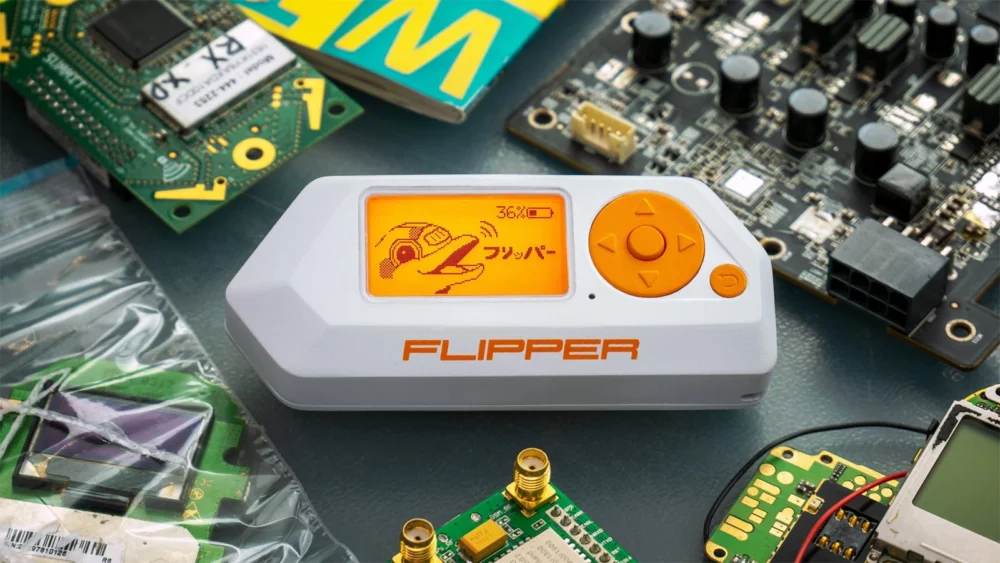
New York City’s forthcoming 2026 mayoral inauguration, heralding the administration of Zohran Mamdani, has unveiled a comprehensive list of prohibited items for attendees, notably including specific technology devices such as the Flipper Zero and Raspberry Pi, a decision that has ignited considerable discussion within technology and security circles. This unusual specificity in device prohibition, juxtaposed with the general nature of other banned items, raises pertinent questions regarding contemporary security protocols for high-profile public events and the understanding of modern technological capabilities by organizing bodies. The move departs from traditional security measures by singling out particular hardware, prompting analysis of the underlying threat assessment and its implications for both event attendees and the broader tech community.
The inauguration, a pivotal moment in New York City’s civic calendar, inherently demands stringent security planning to ensure the safety of dignitaries, participants, and the general public. Historically, such events employ broad categories of restrictions, encompassing weapons, hazardous materials, and items that could obstruct views or cause disruption. The preliminary security advisories for the 2026 event largely adhere to these established norms, delineating a range of forbidden objects from large bags and backpacks, through firearms and explosives, to drones and other remote-controlled aerial vehicles. Standard prohibitions also extend to items like strollers, coolers, chairs, blankets, umbrellas, bicycles, scooters, alcoholic beverages, illegal substances, and laser pointers, reflecting a common-sense approach to crowd management and safety. However, the explicit enumeration of the Flipper Zero and Raspberry Pi among these traditional security risks marks a significant and perplexing deviation.
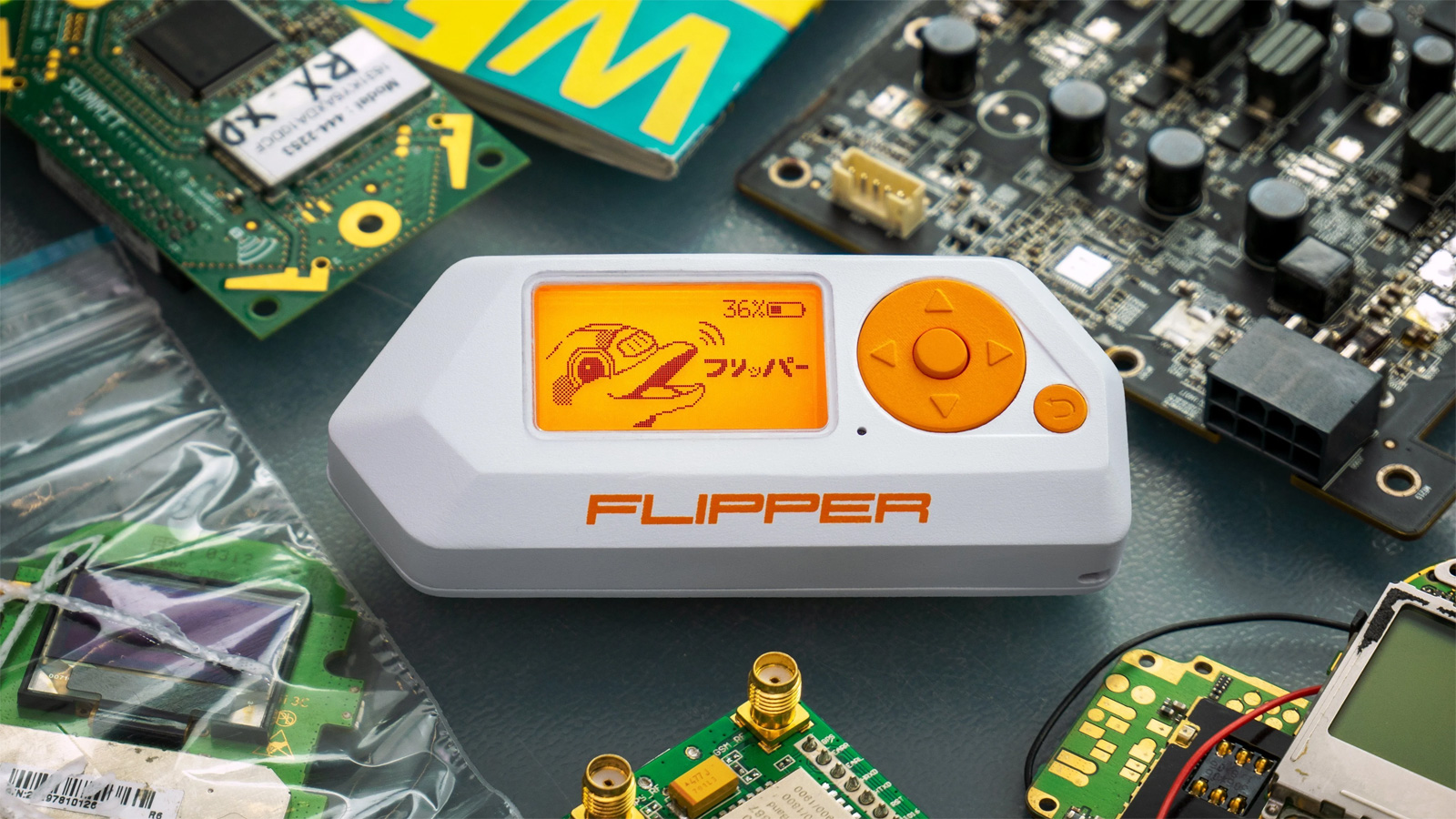
The Flipper Zero, a compact, multi-tool device often dubbed a "cyber-Swiss Army knife," has garnered considerable attention since its inception. Designed as an open-source hardware tool for security researchers, developers, and hobbyists, it integrates a multitude of wireless communication protocols. Its capabilities span RFID emulation, NFC interaction, infrared transmission and reception, Bluetooth connectivity, and sub-GHz radio signal analysis. This broad functionality allows users to interact with various digital systems, from garage door openers and car key fobs to access control cards and smart home devices. While its primary intent is for educational purposes, protocol analysis, and penetration testing within controlled environments, its versatility has inadvertently led to concerns regarding potential misuse. Governments and law enforcement agencies globally have, at times, viewed the Flipper Zero with apprehension, citing its potential application in unauthorized vehicle access, network intrusion, and other forms of cybercrime. This apprehension has previously manifested in legislative proposals to restrict or outright ban the device in some jurisdictions, such as Canada, and in customs seizures, as seen in Brazil. Retail platforms, including Amazon, have also intermittently prohibited its sale, citing its potential for card skimming. These past reactions underscore a prevailing anxiety among authorities concerning powerful, accessible technological tools that can be leveraged for both legitimate research and illicit activities.
Similarly, the Raspberry Pi, a low-cost, credit-card-sized single-board computer, finds itself on this curated list of prohibitions. Unlike the Flipper Zero’s specialized focus, the Raspberry Pi is a general-purpose computing platform. It is capable of running full-fledged Linux distributions and an extensive array of software, effectively functioning as a miniature desktop computer. Its open architecture, GPIO (General Purpose Input/Output) pins, and expandability through add-on modules make it a cornerstone for education in computing, embedded systems development, home automation projects, and rapid prototyping. It is widely utilized by students, educators, engineers, and hobbyists worldwide for myriad applications, from building media centers and robotics to operating network servers and IoT devices. The perceived threat from a Raspberry Pi at a public event is less immediately apparent than that of a Flipper Zero. While a Raspberry Pi could theoretically be configured to perform network reconnaissance, data exfiltration, or even to control external devices (though drones, which it could control, are already banned), these capabilities are not inherent to its design in the way that wireless signal manipulation is to the Flipper Zero. Its strength lies in its adaptability and computational power, rather than any specific "hacking" function.
The explicit naming of these two distinct technological devices, rather than their inclusion under broader categories like "electronic devices capable of wireless transmission" or "computing hardware," represents a notable departure from conventional security advisories. This specificity immediately raises questions about the organizing committee’s understanding of contemporary technology and its associated risks. Many security professionals and tech enthusiasts have expressed confusion and even bemusement over this targeted ban, particularly when considering the capabilities of devices not on the prohibited list. Modern laptops, for instance, possess significantly greater processing power, memory, and storage capacity than either a Flipper Zero or a Raspberry Pi. They can run advanced operating systems like Kali Linux, a distribution specifically designed for penetration testing and digital forensics, equipped with thousands of powerful security tools. Similarly, contemporary smartphones, ubiquitous at any public gathering, are miniature supercomputers capable of running sophisticated applications, including mobile penetration testing suites like Kali NetHunter, and can facilitate high-bandwidth wireless communication, sophisticated data collection, and robust processing.
The discrepancy highlights a potential disconnect in risk assessment. If the concern is about unauthorized wireless communication, signal manipulation, data exfiltration, or network intrusion, then laptops and smartphones represent an arguably greater, or at least equivalent, vector for such activities compared to the specifically banned devices. The targeting of Flipper Zero might stem from its well-publicized association with certain forms of cybercrime, even if exaggerated, creating a public perception of it as a "dangerous" tool. The Raspberry Pi’s inclusion is even more perplexing, given its general-purpose nature and its widespread, benevolent use in education and innovation. This suggests a potential misinterpretation of their technical capabilities or a reaction to their specific nomenclature being associated with "hacking" in public discourse, rather than a deep understanding of their functional threat profile relative to other readily available electronics. As security professional Stefan Klatt observed on a public platform, the move indicates a profound lack of understanding regarding modern technology, questioning the rationale behind such a selective prohibition.
Security protocols for high-profile public events are a complex interplay of threat intelligence, risk assessment, logistical planning, and public perception. Organizers must balance the imperative of safety with the desire to maintain an open and accessible event. The process typically involves identifying potential threats (e.g., physical attacks, cyber intrusions, crowd control issues) and then implementing measures to mitigate those risks. In the context of technology, this often involves limiting large electronic devices, establishing secure networks, and monitoring communication channels. However, the current ban on Flipper Zero and Raspberry Pi seems to reflect a reactive rather than a proactive or holistic approach to technological security. It suggests a focus on specific "known bad" devices, even if their actual threat potential in the hands of a determined adversary is no greater, and often less, than that of common, unrestricted electronics.

The implications of this specific ban extend beyond the immediate event. For the technology community, it can foster a sense of frustration and alienation, perceiving authorities as misinformed or overly cautious. It could also contribute to a chilling effect on the legitimate use and open discussion of such tools, potentially hindering security research and innovation by casting a shadow of suspicion over widely adopted educational and developmental hardware. Furthermore, it sets a precedent: if specific, relatively low-cost, and widely available hobbyist devices can be singled out, what future technologies might face similar, potentially arbitrary, restrictions at public gatherings? This trend could lead to a future where increasingly sophisticated and common personal electronics are subjected to scrutiny, blurring the lines between genuine security threats and perceived, often exaggerated, risks.
The absence of an official explanation from the Mamdani campaign’s press office regarding the explicit inclusion of the Flipper Zero and Raspberry Pi on the prohibited list further exacerbates the confusion. Transparent communication is paramount in policy decisions, especially those impacting civil liberties and public access. Without a clear rationale, speculation abounds, ranging from a rudimentary understanding of technology by security consultants to an overabundance of caution driven by sensationalized media reports about these devices. A detailed explanation would not only clarify the security posture but also offer insight into how emerging technologies are being evaluated by municipal authorities in the context of public safety.
In conclusion, the decision by the Zohran Mamdani mayoral inauguration committee to specifically prohibit Flipper Zero and Raspberry Pi devices represents a unique and somewhat perplexing dimension to event security. While the intent to safeguard a high-profile public gathering is undeniable, the targeted nature of this ban, especially when contrasted with the unrestricted presence of more powerful general-purpose computing devices, suggests a potentially superficial understanding of modern technological capabilities and their associated risks. This policy invites a broader discussion on the efficacy of such specific prohibitions versus comprehensive security frameworks, the role of public perception in shaping security protocols, and the critical need for transparent, well-informed communication from authorities regarding technological restrictions in public spaces. As technology continues to evolve, security paradigms for major events must adapt with a nuanced understanding that distinguishes between perceived threats and actual vulnerabilities, ensuring both public safety and a respect for technological literacy.



 Aura Kasih
 Ayu Aulia