
 Lisa Mariana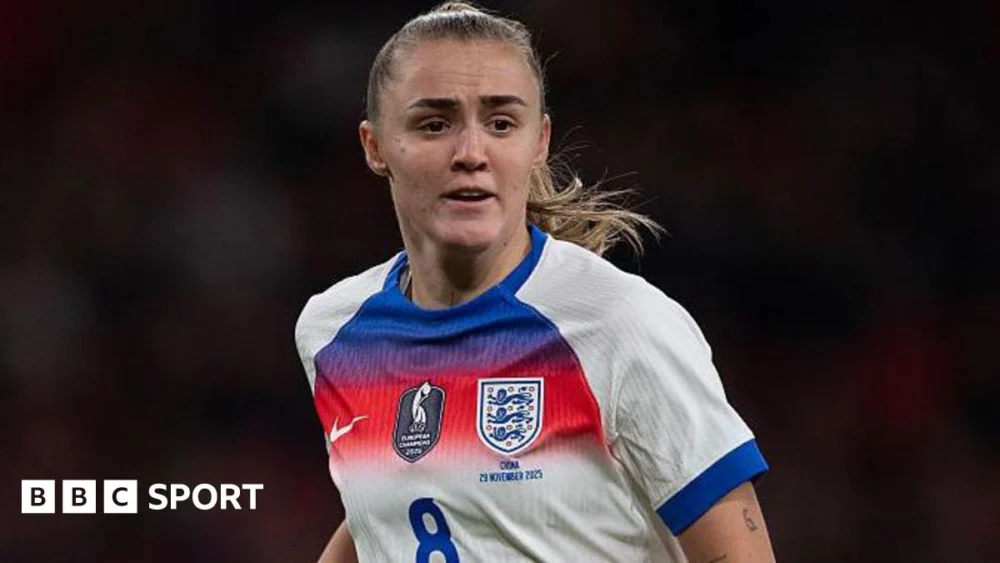
The mid-season transfer period for the Women’s Super League (WSL) is officially underway, initiating a critical window for clubs to strategically bolster their squads, address emergent challenges, and refine their objectives for the latter half of the campaign. This crucial juncture allows teams to make decisive personnel changes, potentially reshaping the competitive landscape across the league, from the intensely contested title race and the pursuit of European qualification to the urgent battle for survival at the bottom.
The Strategic Imperative of Mid-Season Reinforcement
Unlike the expansive summer window, the January transfer period in football is characterized by its immediacy and often, its urgency. Clubs are not merely building for the future; they are seeking solutions for the present. This translates into a heightened demand for players who can integrate swiftly and deliver an instant impact. The stakes are particularly high in the WSL, where the margins between success and failure are increasingly fine. Manchester City, for instance, are meticulously planning to dislodge Chelsea from their dominant six-year reign at the summit. Manchester United, experiencing their inaugural foray into the Women’s Champions League knockout stages, require depth and quality to compete on multiple fronts, while Liverpool faces the stark reality of seeking their first league victory to avoid relegation. The context of two recent managerial changes in December further underscores the potential for a dynamic and active window, as new leadership often signals an intent to reshape the playing staff according to a fresh tactical vision.
The Intricate Dance of Contractual Negotiations
A significant portion of the January transfer activity is often centred not on new acquisitions, but on the retention of existing talent. The impending expiration of numerous high-profile contracts by summer makes this window a pivotal moment for securing key players for the long term or, conversely, for those players to explore opportunities elsewhere. The ramifications of losing star athletes on free transfers are substantial, impacting both squad strength and financial valuation.
One of the most scrutinised situations involves England international Georgia Stanway, a 26-year-old midfielder whose current agreement with Bayern Munich concludes in the summer. While an extension offer from her current club is on the table, interest from WSL giants, including Arsenal, has been widely reported. The possibility of Stanway signing a pre-contract agreement in January to facilitate a summer move back to England highlights the strategic depth of modern football negotiations. Such a move would represent a significant coup for any WSL club, given her calibre and experience.
Similarly, Ella Toone, a pivotal midfielder for Manchester United and England, sees her contract expire in July. This opens the door for her to engage in discussions with clubs outside the WSL this month, presenting a potential challenge for United to retain one of their most influential players. Meanwhile, Manchester City’s formidable top scorer, Khadija Shaw, aged 28, is in advanced and positive discussions regarding a contract extension – a development considered a paramount priority for the club given her exceptional goal-scoring record and vital contribution to their title aspirations.
Arsenal faces a complex task with several key figures nearing the end of their contracts, including US international Emily Fox, alongside established stars Katie McCabe, Kim Little, and Stina Blackstenius. Managing these negotiations simultaneously while maintaining squad harmony and performance presents a considerable challenge. Chelsea, not to be outdone, also has critical contract talks looming, with senior players Sam Kerr, Millie Bright, and Lucy Bronze entering the final six months of their respective deals. The successful retention of these foundational players is crucial for Chelsea’s continued dominance. Further afield, Aston Villa’s captain, Rachel Daly, 34, also faces an uncertain future as her contract approaches its conclusion, prompting questions about the club’s long-term plans for their veteran leader.
Global Talent and Market Dynamics
Beyond domestic renewals, the WSL January window is increasingly influenced by global market dynamics, particularly the interplay with the National Women’s Soccer League (NWSL) in the United States and prominent European leagues. The valuation of talent and the ability to attract or retain players against international competition are key indicators of the WSL’s growing stature.
Everton forward Kelly Gago, who turns 27 on January 5th, has reportedly drawn interest from French powerhouse Paris St-Germain. With a reported valuation of £500,000, her situation exemplifies the financial pressures WSL clubs can face when European giants target their assets. The ability of clubs like Everton to fend off such interest speaks volumes about their ambition and financial backing.
All eyes will also be on US striker Trinity Rodman, whose future at Washington Spirit could hinge on ongoing salary negotiations within the NWSL. Chelsea is among the elite European clubs reportedly monitoring Rodman’s situation closely, demonstrating the Blues’ persistent pursuit of top-tier attacking talent. Conversely, Chelsea themselves might see some outbound movement, with Japan midfielder Maika Hamano potentially joining Tottenham on loan, a strategic move for both player development and squad depth. Other players such as US forward Catarina Macario and Germany midfielder Sjoeke Nusken, both currently at Chelsea, could also explore opportunities for more consistent game time, with Macario linked to NWSL interest.
Elsewhere, West Ham United may face the challenge of retaining England defender Anouk Denton amidst external interest, while Amber Tysiak had also attracted suitors in the preceding summer window, suggesting ongoing attention from rival clubs.
Club-Specific Strategic Agendas
Each WSL club approaches the January window with a unique set of objectives and financial parameters, shaping their recruitment strategies:
- Arsenal: A significant decision for Arsenal revolves around the contract of manager Renee Slegers, which expires this summer. On the playing front, a new goalkeeper is a priority, alongside reported pursuit of Hammarby full-back Smilla Holmberg, indicating a focus on defensive reinforcement.
- Aston Villa: Having conducted substantial business in the summer, Villa might have a quieter January, though they are reportedly hoping to secure a Japan international, suggesting a selective approach to high-quality additions.
- Brighton & Hove Albion: Following an injury to England forward Michelle Agyemang, Brighton is expected to be active in the market, seeking a replacement and additional options in midfield to bolster their squad.
- Chelsea: True to their reputation, Chelsea remains willing to invest significantly. Beyond monitoring Trinity Rodman, they are expected to target further attacking options and potentially add depth to their defence, reinforcing an already formidable squad.
- Everton: Despite a busy summer, Everton’s ownership has demonstrated a willingness to spend. They are likely to be on the lookout for targeted additions to enhance their squad further.
- Leicester City: Manager Rick Passmoor has explicitly stated a priority for experienced WSL players, with centre-back and full-back positions being key areas for reinforcement, reflecting a clear strategy to secure league survival.
- Liverpool: Expected to be highly active, Liverpool is desperate to move off the bottom of the table. With funds available from the £1m sale of Olivia Smith in the summer, Gareth Taylor aims to bring in a list of players to address a thin squad. A full-back is already earmarked, and winger Alice Bergstrom from BK Hacken has been linked.
- London City Lionesses: The Championship side, under the backing of wealthy businesswoman Michele Kang, is not afraid to spend big despite having recently sacked manager Jocelyn Precheur. Their stated aim is to target the best young players, signalling an ambitious long-term project.
- Manchester City: While securing Khadija Shaw’s contract renewal is paramount, City may also make a few strategic additions to provide the extra edge needed to clinch the WSL title.
- Manchester United: Already proactive with two confirmed signings, United continues to seek further reinforcements. A central midfielder has been a long-standing target, with the club reportedly tracking several high-profile players in that position, crucial for their domestic and European ambitions.
- Tottenham Hotspur: Tottenham has had a strong start to the window with three additions already secured. They also hope to bring in Maika Hamano on loan from Chelsea, indicating a clear strategy to build momentum.
- West Ham United: Under new manager Rita Guarino, West Ham is anticipated to be active. Guarino’s extensive experience and contacts in the Italian market suggest she may look to her home country for potential new signings.
Early Window Activity and Broader Implications
The initial days of the transfer window have already provided insights into the strategic intent of several clubs. Manchester United has demonstrated considerable early activity, securing Germany forward Lea Schuller and Sweden full-back Hanna Lundkvist. Furthermore, Japan midfielder Hinata Miyazawa has committed her long-term future to United, signing a new deal that extends until 2029. These early moves underscore United’s ambition to consolidate their position among the league’s elite and make a significant impact in the Champions League.
Manchester City has prioritised stability, agreeing new contracts with key defensive figures: captain Alex Greenwood, full-back Kerstin Casparij, and centre-back Rebecca Knaak. These renewals are vital for maintaining the defensive solidity that underpins their title challenge.
Tottenham also made early moves, announcing in November the signing of Norway midfielder Signe Gaupset from SK Brann. They have since added full-backs Hanna Wijk and Matilda Nilden from BK Hacken, with the 21-year-old Sweden youth international Nilden agreeing to a long-term contract and taking the number 14 shirt. These acquisitions signal Tottenham’s proactive approach to strengthening their squad and investing in younger talent.
These early confirmed deals and strategic negotiations highlight a WSL landscape that is increasingly professionalized and fiercely competitive. Clubs are not merely reacting to market forces but are executing well-defined strategies to achieve their season objectives. The January transfer window, therefore, transcends simple player movements; it represents a concentrated period of tactical refinement, long-term planning, and the dynamic pursuit of competitive advantage that will ultimately shape the narrative of the current WSL season. The outcomes of these negotiations and transfers will undoubtedly dictate which clubs emerge stronger in the race for silverware, European berths, and, crucially, top-flight survival.




 Aura Kasih
 Safa Marwah


 Ayu Aulia