Lisa Mariana
A significant strategic proposal advocating for the United Kingdom to develop and deploy its own domestically produced nuclear missile systems is gaining traction, driven by concerns over the nation’s long-standing reliance on American defence infrastructure and the unpredictable nature of international alliances. This call for a fully independent deterrent, championed by the leader of the Liberal Democrats, Sir Ed Davey, highlights a growing apprehension regarding the stability of critical defence partnerships, particularly in light of potential shifts in US foreign policy and the evolving global security landscape. The proposition outlines a substantial investment in British scientific and engineering prowess to sever the current dependency on the United States for the maintenance and supply of the Trident ballistic missiles, which form the bedrock of the UK’s nuclear deterrent.
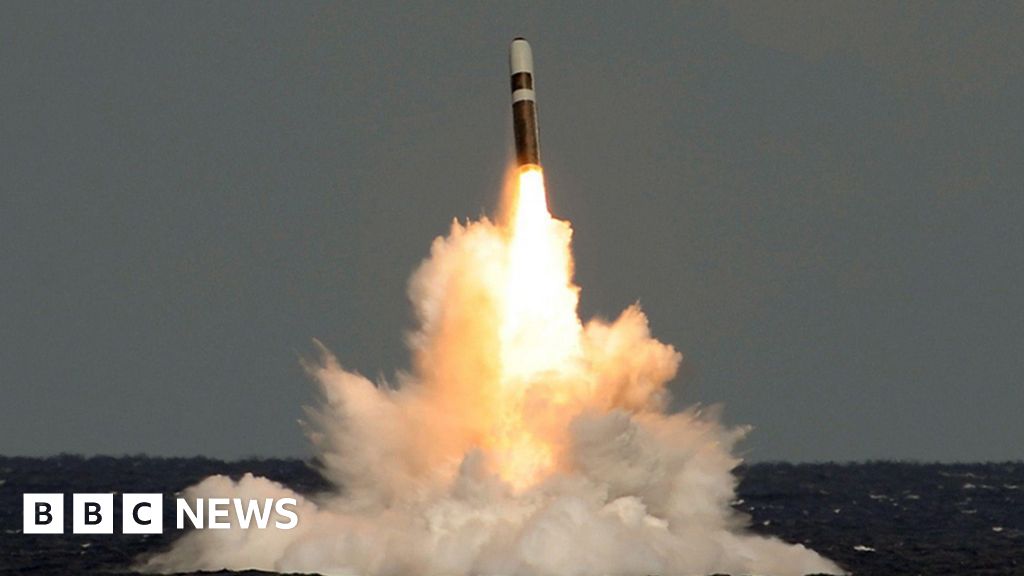
The United Kingdom, a formidable nuclear power, currently operates a system where its warheads are indigenously designed and manufactured, yet their delivery vehicles – the Trident II (D5) missiles – are procured and sustained through a deeply integrated technological cooperation agreement with the United States. This arrangement, established decades ago, grants the UK operational command over its nuclear arsenal, meaning the Prime Minister retains ultimate authority to authorise a launch. However, the fundamental reliance on a foreign nation for the very platforms that deliver these warheads introduces a strategic vulnerability, a point vigorously argued by proponents of greater national autonomy. Sir Ed Davey articulated this concern plainly, stating that the nation’s ultimate defence mechanism should not be subject to the whims or shifting priorities of a leader in the White House, particularly when considering the potential for administrations perceived as "unreliable," such as a hypothetical second term for Donald Trump.
Historically, the United Kingdom’s journey as a nuclear power began in the aftermath of World War II, driven by a desire to maintain its great power status and ensure national security in a rapidly changing world. It became the third nation, after the United States and the Soviet Union, to develop atomic weapons. Initially, these warheads were designed for deployment via the Royal Air Force’s bomber fleet. However, strategic considerations in the 1960s led to a pivot towards a submarine-launched ballistic missile (SLBM) system, a decision that cemented the UK’s "continuous at-sea deterrence" posture. This strategic shift involved entering into agreements with the United States for the Polaris missile system, later upgraded to the more advanced Trident system. This long-standing technological partnership has been hailed by many as a testament to the "special relationship" between the two nations, ensuring interoperability and shared strategic objectives within the NATO framework. Yet, it is precisely this deep integration that is now being scrutinised as a potential Achilles’ heel.
The current debate extends beyond the technicalities of missile procurement; it delves into the very definition of national sovereignty in defence. While the UK exercises operational control over its nuclear assets, the underlying dependency on US technology, expertise, and logistical support for the Trident missiles raises questions about true strategic independence. Any disruption to this supply chain, whether through political shifts, technological embargoes, or unforeseen geopolitical events, could severely compromise the efficacy and credibility of the UK’s deterrent. This vulnerability is particularly salient in an era where global power dynamics are fluid, and traditional alliances face unprecedented pressures. The Liberal Democrats’ proposal seeks to eliminate this external point of failure, asserting that a truly sovereign deterrent must encompass every component, from warhead to delivery system, manufactured and maintained within national borders.
The proposition to embark on a wholly indigenous missile development programme is not without significant implications, primarily economic. The cost associated with designing, developing, testing, and manufacturing a new generation of ballistic missiles would undoubtedly run into many billions of pounds, potentially far exceeding the budget allocated for the planned replacement of the existing Vanguard-class submarines that carry the Trident system. While the Liberal Democrats have yet to provide a precise cost estimate, they argue that this substantial investment, spread over two decades, would be an economic stimulus, creating high-value jobs for British scientists, engineers, and skilled labourers. This framing attempts to pivot the narrative from a purely defence expenditure to an industrial strategy, fostering domestic innovation and technological self-reliance. However, critics are likely to raise concerns about the scale of such an undertaking, its potential impact on other defence priorities, and the opportunity costs involved.
From a strategic perspective, the call for a fully independent deterrent aligns with a broader trend among some European nations to enhance their defence autonomy, particularly in the face of perceived American disengagement or unpredictability. France stands as a pertinent example, having consistently maintained its own fully independent nuclear arsenal ("Force de Frappe") since its inception. This French model, developed largely in the 1960s and 70s, cost an estimated £20 billion (in today’s money) and provides a tangible precedent for a European nation achieving complete sovereignty over its nuclear capabilities. The Liberal Democrats point to France’s success as proof that such an ambitious project is achievable for the UK, suggesting a phased approach: initially focusing on domestic maintenance capabilities for existing Trident systems, followed by the long-term goal of manufacturing an entirely British-made replacement missile. This strategy aims to gradually decouple from US reliance while managing the immense technical and financial challenges.
The Ministry of Defence’s official response underscores the established position that the UK’s nuclear deterrent is a critical component of national security, guaranteed by its "deep and longstanding relationship" with the United States. They maintain that the current system plays a vital role within NATO’s collective defence framework and remains the "cornerstone" of the UK’s defence policy, as affirmed by the 2025 Strategic Defence Review. This perspective highlights the benefits of the existing arrangement, including cost-sharing, access to cutting-edge technology, and the reinforcement of allied solidarity. Severing this intricate defence partnership could have multifaceted implications, potentially straining diplomatic ties, impacting interoperability within NATO, and requiring the UK to shoulder the full financial and technical burden of a complex, high-risk development programme.
The technical and industrial challenges inherent in developing a bespoke ballistic missile system from scratch are monumental. It would require significant investment in research and development, the establishment of highly specialised manufacturing facilities, extensive testing ranges, and a substantial pool of expertise in areas such as propulsion, guidance systems, warhead integration, and materials science. The lead times for such projects typically span decades, involving iterative design, rigorous testing, and certification processes. While the UK possesses a strong scientific and engineering base, reconstituting the specific industrial capabilities required for large-scale missile production would be a vast undertaking, demanding sustained political will and financial commitment across multiple parliamentary cycles. This level of self-sufficiency would effectively mean recreating an entire national missile industry, a capability that has atrophied in certain areas due to decades of reliance on foreign partners.
Furthermore, the proposal touches upon the Liberal Democrats’ own historical internal divisions regarding nuclear weapons. The party has traditionally housed a significant faction advocating for multilateral disarmament, driven by a commitment to global peace and non-proliferation. The current stance, while still framed within the ultimate goal of disarmament, represents a pragmatic shift, acknowledging the current geopolitical realities that necessitate a credible, independent deterrent. This evolution reflects a growing consensus across the political spectrum that maintaining a strong defence posture is paramount in an increasingly unstable world. The party’s leadership is effectively arguing that if a nuclear deterrent is deemed necessary, then it must be genuinely sovereign to be effective and credible in all circumstances.
Looking ahead, the debate surrounding the UK’s nuclear deterrent is poised to intensify. Geopolitical tensions, including the ongoing conflict in Ukraine, the assertive posture of revisionist powers, and the uncertainty surrounding future US foreign policy, are forcing a re-evaluation of defence strategies across Europe. The proposal for a fully independent British missile capability is not merely a technical discussion; it is a profound strategic reorientation that could redefine the UK’s role on the global stage, its relationship with key allies, and its industrial defence policy for generations to come. It encapsulates a broader national ambition for strategic autonomy, balanced against the considerable economic and diplomatic costs. As the UK prepares for the eventual replacement of its Trident system in the 2040s, the decision on whether to continue its reliance on external partners or embark on a path of full national self-sufficiency will be one of the most consequential defence choices of the century.




 Aura Kasih
 Safa Marwah
 Ayu Aulia