Ridwan Kamil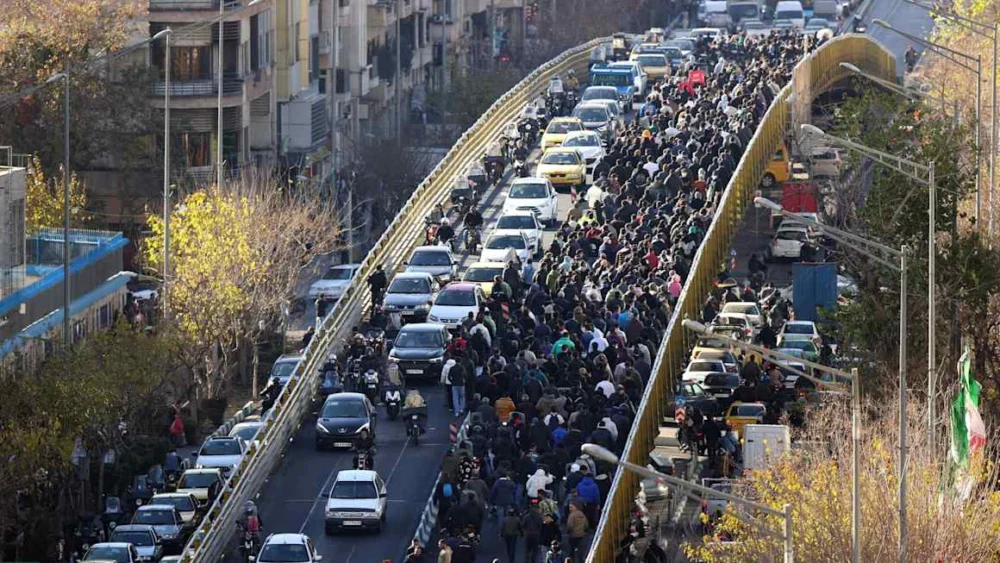
In a significant move aimed at addressing escalating cost-of-living pressures and quelling burgeoning public unrest, Iran’s government has announced the dismissal of the governor of the Central Bank of Iran, Mohamad-Reza Farzin. This personnel change signals an acknowledgment by the administration of the severity of the economic challenges facing the nation and a desperate attempt to restore confidence in its financial management. The decision comes as Iranians grapple with persistent inflation, a depreciating currency, and a widening gap between wages and the cost of essential goods and services, fueling widespread discontent and periodic protests across the country.
The appointment of a new governor to lead the nation’s monetary policy institution is viewed as a critical juncture for Iran’s economy, which has been under immense strain for years. Decades of international sanctions, coupled with internal structural weaknesses and fiscal mismanagement, have contributed to a precarious economic environment. The rial has experienced significant devaluation against major global currencies, eroding purchasing power and making imports prohibitively expensive. This has directly impacted everyday Iranians, leading to a decline in living standards and a growing sense of economic insecurity. The government’s response, often characterized by price controls and subsidies, has proven insufficient in mitigating the long-term effects of these underlying economic fragilities.
The outgoing governor, Farzin, assumed the helm of the Central Bank in September 2022, inheriting an economy already teetering on the edge. His tenure was marked by efforts to stabilize the currency and curb inflation, but these initiatives have yielded limited success. Analysts suggest that the structural impediments to economic recovery, including the pervasive impact of sanctions and the state’s heavy involvement in key economic sectors, have significantly constrained the Central Bank’s ability to implement effective monetary policy. The persistent reliance on external financing and the limited access to international financial markets have further exacerbated these challenges, creating a vicious cycle of economic stagnation and inflation.
The protests that have intermittently gripped Iran in recent years have often been ignited by economic grievances. While political slogans may accompany these demonstrations, the root cause frequently lies in the palpable hardship experienced by ordinary citizens. The rising cost of food, housing, and basic necessities has pushed many households to the brink, leading to frustration and anger directed at the government’s economic stewardship. The replacement of the Central Bank governor can be interpreted as a direct response to this mounting public pressure, a signal that the authorities are willing to make changes to address the immediate economic pain points.
However, the efficacy of this leadership change remains a subject of intense scrutiny. Experts caution that replacing a single individual, while symbolically significant, may not fundamentally alter the trajectory of Iran’s economy if the underlying systemic issues are not addressed. The deep-seated challenges, including the complexities of the nuclear program and its implications for sanctions relief, the need for significant structural reforms within the banking sector, and the imperative to diversify the economy away from its heavy reliance on oil revenues, require a comprehensive and sustained policy response.
The new governor will inherit a mandate to not only manage inflation and currency stability but also to foster an environment conducive to economic growth and job creation. This will likely involve navigating a delicate balance between fiscal discipline and the need to provide social safety nets for vulnerable populations. Furthermore, any significant shift in economic policy will be closely watched by international actors, as the prospect of sanctions relief, contingent on progress in diplomatic negotiations, remains a crucial, albeit uncertain, factor for Iran’s economic future.
The international sanctions regime, imposed by the United States and other nations, has had a profound and debilitating effect on Iran’s economy. These sanctions restrict access to global financial systems, hinder trade, and deter foreign investment, significantly limiting the country’s economic potential. While Iran has sought to mitigate these effects through various strategies, including increased trade with regional partners and the development of domestic industries, the overall impact has been a substantial contraction of economic activity and a reduction in government revenue. The success of any new economic strategy will inevitably be intertwined with the geopolitical landscape and the potential for a thawing of international relations.
Beyond the immediate concerns of inflation and currency depreciation, Iran’s economy faces a number of longer-term structural challenges. These include a burgeoning youth unemployment rate, an aging infrastructure, and a need for substantial investment in technological innovation and diversification. The oil sector, while a significant source of revenue, is also susceptible to global price volatility and the ongoing transition towards renewable energy sources worldwide. A forward-looking economic policy must address these multifaceted issues to ensure sustainable development and improved living standards for the Iranian population.
The replacement of the Central Bank governor is, therefore, not an isolated event but a move within a broader context of economic and political pressures. It highlights the government’s recognition of the urgency of the situation and its willingness to implement visible changes in an attempt to regain public trust. However, the true test of this decision will lie in the concrete policies and reforms that follow, and their ability to deliver tangible improvements in the lives of ordinary Iranians amidst a complex and challenging domestic and international environment. The coming months will be crucial in determining whether this leadership change heralds a genuine shift towards economic stabilization and recovery, or if it represents a temporary measure in the face of persistent systemic challenges.
The geopolitical ramifications of Iran’s economic situation are also significant. The country’s economic instability can have ripple effects throughout the Middle East, influencing regional security dynamics and international energy markets. Any sustained improvement in Iran’s economic health could potentially lead to increased regional trade and investment, while continued economic hardship could exacerbate existing tensions and contribute to further instability. Therefore, external actors are closely observing developments within Iran’s economy, as they hold implications for broader geopolitical considerations.
Furthermore, the effectiveness of any new monetary policy under the incoming governor will be heavily influenced by the fiscal policies pursued by the government. Coordination between fiscal and monetary authorities is paramount for achieving macroeconomic stability. If the government continues to run large budget deficits, financed through the printing of money, the Central Bank’s efforts to control inflation will be significantly hampered. Conversely, a commitment to fiscal consolidation and prudent public spending would provide a more fertile ground for the Central Bank to achieve its objectives.
The issue of corruption and rent-seeking within the Iranian economy also presents a considerable hurdle. The state’s extensive control over key economic sectors has, in some instances, created opportunities for illicit activities and the concentration of wealth among a select few. Addressing these systemic issues through transparency, accountability, and the promotion of fair competition is essential for fostering a more equitable and efficient economic system. Without such reforms, any attempts at economic revitalization may struggle to gain broad public support and may not translate into widespread improvements in living standards.
The impact of the new leadership will also be measured by its ability to foster confidence among domestic and international investors. A stable and predictable economic environment, characterized by clear regulatory frameworks and a commitment to the rule of law, is crucial for attracting much-needed capital. The current climate of uncertainty, exacerbated by sanctions and internal economic challenges, has deterred significant foreign investment. A concerted effort to improve the investment climate and to signal a commitment to economic reforms will be vital for unlocking Iran’s economic potential.
In conclusion, the replacement of the Central Bank governor in Iran is a high-stakes move driven by mounting public pressure stemming from severe economic hardship. While this decision acknowledges the gravity of the situation, its ultimate success hinges on the implementation of comprehensive and sustainable economic reforms that address the deep-seated structural issues plaguing the nation. The new governor faces a daunting task, requiring not only adept monetary management but also a strategic vision that can navigate the complex interplay of domestic challenges, international sanctions, and geopolitical realities to steer Iran towards a more stable and prosperous economic future. The coming period will serve as a critical barometer for the effectiveness of this leadership change and its potential to alleviate the economic burdens on the Iranian populace.

 Aura Kasih
 Safa Marwah
 Ayu Aulia