
 Lisa Mariana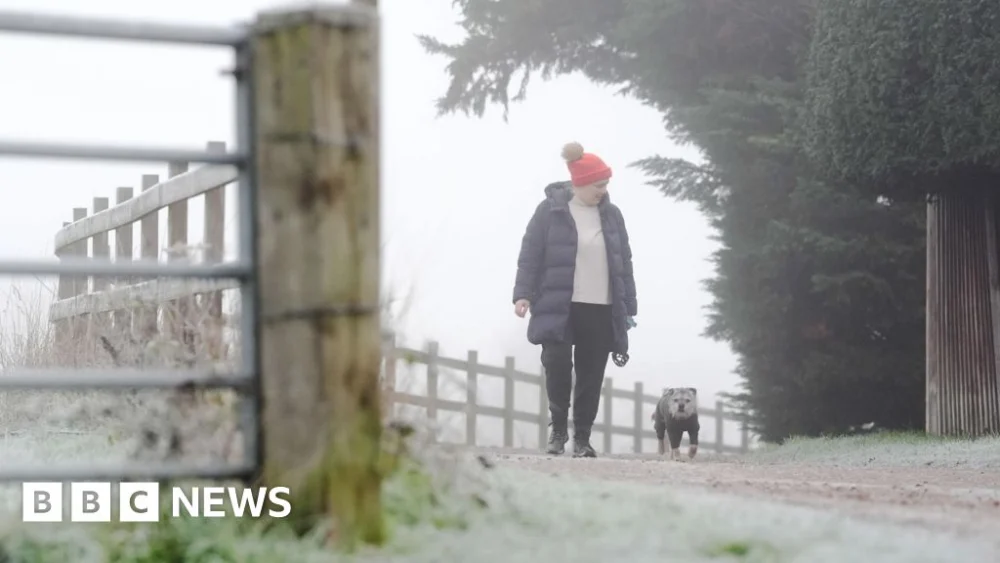
As the United Kingdom prepares to usher in the year 2026, marking the conclusion of 2025, national celebrations are set to unfold under the shadow of widespread meteorological alerts, with forecasters anticipating severe cold across significant portions of the country. This dual narrative of festive exuberance and environmental caution frames the transition into the new year, necessitating heightened public awareness and meticulous logistical planning from authorities and event organizers alike.
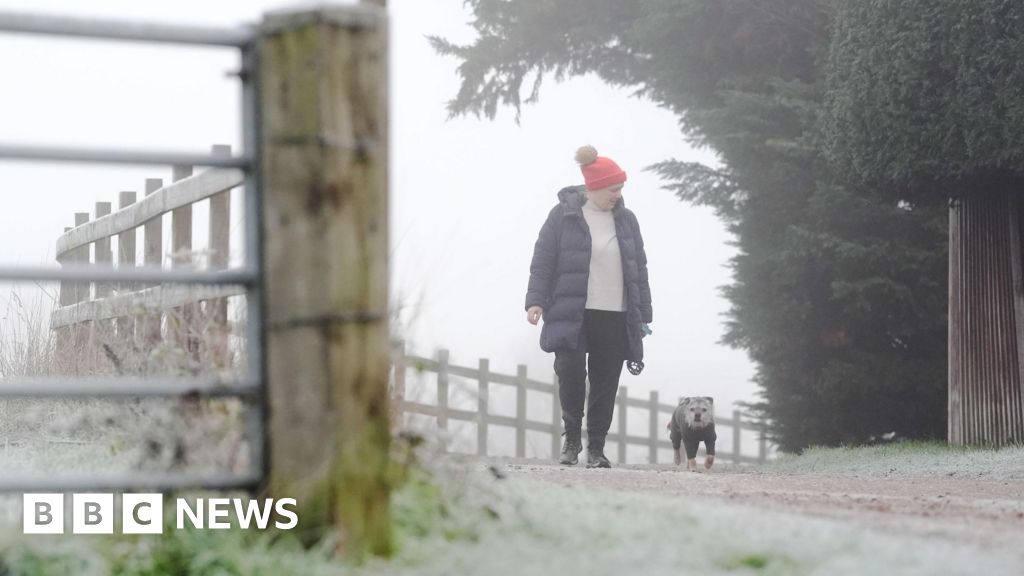
The Met Office has issued a comprehensive series of yellow warnings for snow and ice, encompassing England, Wales, Northern Ireland, and Scotland. These advisories are slated to commence at midnight on New Year’s Eve and remain active until noon on January 2nd, signaling a significant period of hazardous conditions. The anticipated frigid temperatures and precipitation are expected to exert considerable influence on national infrastructure, particularly transport networks. Commuters and revelers planning to attend major New Year’s spectacles, such as the renowned firework displays in London and Edinburgh, are strongly advised to prepare for extended travel durations across road, bus, and rail services. This pre-emptive guidance underscores the potential for widespread disruption and aims to mitigate the impact on public mobility during a peak celebratory period.
Further meteorological analysis indicates a profound shift in atmospheric conditions from New Year’s Day, as a colder Arctic air mass is projected to descend across the entire UK. This influx of polar air is predicted to bring substantial snowfall, particularly to northern Scotland, according to detailed forecasts. Such a prolonged cold snap, potentially extending beyond a week, carries significant implications beyond mere discomfort. The UK’s Health Security Agency (UKHSA) has escalated its cold health alerts to an amber level across the entirety of England, effective until midday on January 6th. These elevated warnings are not merely cautionary but highlight a heightened risk of increased mortality, particularly among the elderly and other vulnerable populations who are more susceptible to the adverse health effects of sustained low temperatures.
The impact of these weather phenomena extends to public safety, with the Met Office specifically cautioning against the increased likelihood of injuries resulting from slips and falls on rapidly developing icy surfaces, especially in the wake of sleet and snow. A newly issued snow and ice warning delineates a broad affected region across England and Wales, spanning from the urban centers of Chester and Greater Manchester down through the Midlands to London and Kent. This extensive geographical reach underscores the pervasive nature of the anticipated weather challenge, requiring a coordinated national response to ensure public welfare.
Concurrently with these environmental considerations, preparations for major public celebrations are reaching their zenith. In London, the Mayor’s official firework event, strategically positioned around iconic landmarks such as the London Eye and Big Ben, has reached full capacity, with all tickets sold out. In response, the Metropolitan Police Service has issued explicit warnings, urging individuals without valid tickets to refrain from attempting to access the event area. This measure is crucial for crowd control and maintaining security within the designated zones, preventing overcrowding that could pose significant safety risks.
To facilitate the dispersal of attendees following the London festivities, National Rail has confirmed that several train operators will implement extended service schedules, running additional trains after midnight on New Year’s Eve. This logistical adjustment is vital for ensuring that the thousands of revelers can safely and efficiently depart central London as events draw to a close. However, a significant alteration to traditional viewing habits in the capital involves the closure of Primrose Hill in Camden, a historically popular vantage point offering panoramic views of the city’s skyline and fireworks display. The Royal Parks charity has made the decision to close the park from 20:00 GMT on December 30th until 06:00 on New Year’s Day. This pre-emptive closure is a direct response to serious safety concerns, most notably the tragic fatal stabbing of 16-year-old Harry Pitman during the New Year’s Eve fireworks viewing in 2023. The incident underscored the immense challenges associated with managing spontaneous, large-scale gatherings in public spaces, prompting authorities to prioritize public safety through controlled access measures.
The closure of Primrose Hill reflects a broader re-evaluation of public event management strategies in urban environments. While popular viewing spots offer cherished communal experiences, the inherent risks associated with uncontrolled crowds, particularly in the context of previous tragic incidents, necessitate stringent preventative measures. This decision aims to channel spectators towards officially sanctioned and managed events, where security and emergency services can be more effectively deployed. It also highlights the evolving landscape of public safety in metropolitan areas, balancing the desire for communal celebration with the imperative to prevent harm.
Further north, Edinburgh is poised to host its world-renowned Hogmanay street party, an event that annually attracts tens of thousands of international visitors and local residents. The climax of these celebrations is the traditional firework display illuminating the night sky above the majestic Edinburgh Castle. In a demonstration of pragmatic resource management, organizers have confirmed that some of the fireworks originally procured for the 2024 event, which was regrettably cancelled due to "extreme weather," will be utilized this year. Will Evans, director of Titanium Fireworks, has provided insights into the scale of the forthcoming display, detailing a six-minute spectacle involving approximately 10,000 fireworks, meticulously choreographed to a bespoke soundtrack. This commitment to a grand display, even with recycled elements, underscores the cultural significance of Hogmanay and Edinburgh’s determination to deliver a memorable experience.
However, the prevailing weather conditions are also influencing travel arrangements in Scotland. ScotRail has announced an adjusted schedule for Hogmanay, with the final train services departing earlier than usual. Furthermore, no ScotRail trains will operate on New Year’s Day, a measure designed to ensure passenger and staff safety amidst potentially treacherous conditions. Despite these logistical adaptations, other traditional Scottish celebrations are proceeding as planned. The historic Stonehaven’s Hogmanay fireballs event, a unique and fiery procession, is expected to draw approximately 10,000 attendees, demonstrating the enduring spirit of Scottish New Year traditions even in challenging weather.

The meteorological outlook for the UK over the New Year period is characterized by a multi-faceted cold spell. Beyond the snow and ice, forecasters anticipate strong northerly winds, prompting an additional Met Office yellow warning for wind. This advisory specifically targets north-east Scotland and the Northern Isles, in effect from 21:00 GMT on Wednesday until 09:00 on Thursday. Furthermore, Friday is expected to bring an area of snow showers that will traverse Northern Ireland, Wales, southern regions of North-West England, the Midlands, and into southern England, further broadening the scope of potential disruption. This prolonged period of inclement weather, projected to last for over a week, presents ongoing challenges for public services, infrastructure maintenance, and individual well-being.
The amber cold health alerts issued by the UKHSA are a critical component of the national response. These alerts signify a high probability of significant impacts on health and social care services, with potential for increased demand and strain on resources. Vulnerable groups, including the elderly, infants, and those with pre-existing health conditions, are particularly at risk from conditions such as hypothermia, frostbite, and the exacerbation of respiratory and cardiovascular illnesses. Public health guidance during such periods typically emphasizes maintaining warm indoor temperatures, dressing appropriately for cold weather, consuming warm food and drinks, and checking on vulnerable family members, friends, and neighbours. The agency’s warnings serve as a stark reminder of the serious public health implications of severe cold weather, extending beyond mere inconvenience to potentially life-threatening situations.
The convergence of major national celebrations with a significant period of adverse weather presents a complex management challenge for UK authorities. The economic implications are also noteworthy. While New Year’s celebrations typically provide a significant boost to the hospitality and tourism sectors, especially in cities like London and Edinburgh, the disruptive effects of snow, ice, and wind can lead to cancellations, reduced footfall, and increased operational costs for businesses. Public transport disruptions alone can result in lost revenue and decreased productivity. Moreover, the strain on emergency services, including police, ambulance, and fire brigades, will be considerable, as they respond to weather-related incidents and maintain public safety at large gatherings.
Looking ahead, the strategies employed by UK authorities in managing these dual challenges will offer valuable lessons for future large-scale events. The tragic incident at Primrose Hill in 2023, coupled with the cancellation of Edinburgh’s Hogmanay in 2024 due to extreme weather, has undeniably influenced current planning. These events highlight the need for dynamic risk assessments, robust contingency plans, and clear public communication campaigns. The emphasis on controlled access, enhanced security, and coordinated transport solutions reflects an evolving approach to urban event management, balancing the inherent desire for communal celebration with an uncompromising commitment to public safety. As the nation steps into 2026, the careful navigation of these celebratory and meteorological currents will be a defining feature of the transition, showcasing the resilience and adaptability of both the public and national infrastructure.



 Aura Kasih
 Safa Marwah
 Ayu Aulia


