Ridwan Kamil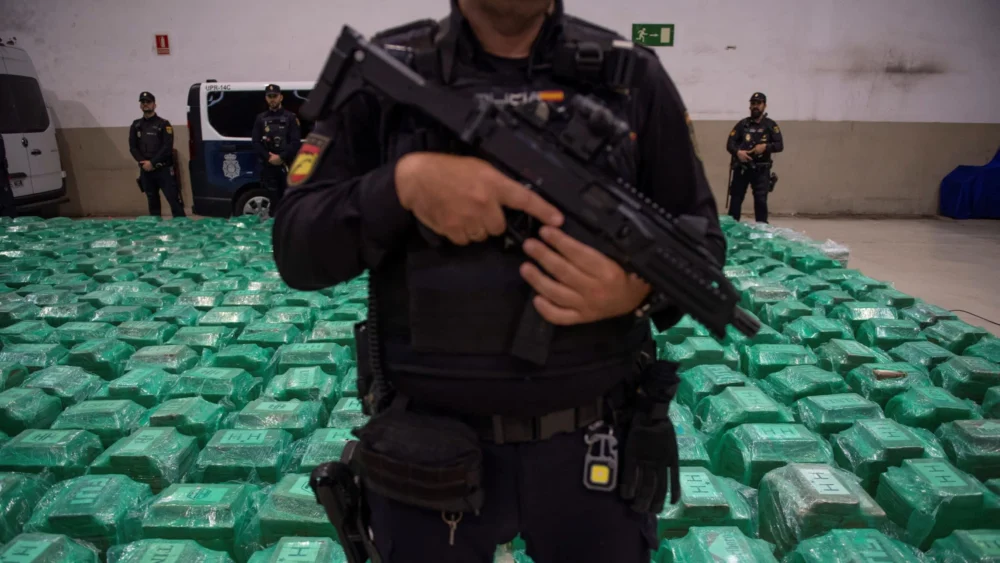
Organized crime syndicates, driven by illicit drug trafficking, are escalating their influence and capabilities, posing an increasingly grave and multifaceted threat to the security and stability of the European continent, according to a recent assessment by a prominent security agency. This insidious expansion of drug gangs is not merely about the distribution of narcotics; it encompasses a sophisticated web of corruption, violence, and economic destabilization that infiltrates legitimate sectors and erodes public trust.
The escalating power of drug cartels and their associated criminal networks across Europe represents a significant and evolving challenge to the continent’s internal security and the rule of law. These sophisticated organizations, far from being localized gangs, operate with transnational reach, leveraging vast financial resources and complex logistical operations to flood European markets with illicit substances. Their activities generate substantial illicit profits, which are then reinvested to further expand their influence, corrupt officials, and acquire more sophisticated weaponry and technologies. This creates a vicious cycle where increased enforcement efforts often lead to adaptation and greater sophistication on the part of the criminal enterprises.
The impact of these drug trafficking organizations extends far beyond the immediate consequences of drug abuse. Their operations are intrinsically linked to a broader spectrum of criminal activities, including human trafficking, money laundering, arms smuggling, and cybercrime. The immense wealth generated through the drug trade provides these groups with the capital to infiltrate and corrupt public institutions, including law enforcement, judiciary, and political bodies. This corruption undermines the integrity of governance, erodes public confidence, and creates fertile ground for further criminal enterprise.
Furthermore, the relentless pursuit of market share and territorial control by these gangs frequently erupts into extreme violence. Shootouts, assassinations, and intimidation tactics are employed to eliminate rivals, silence witnesses, and assert dominance. This violence not only terrorizes communities but also destabilizes entire regions, creating an environment of fear and insecurity that can hinder economic development and social cohesion. The sheer logistical capabilities of these organizations are also a cause for concern. They have demonstrated an ability to exploit various transit routes, including sophisticated maritime networks, air cargo, and overland transportation, often utilizing clandestine methods and advanced technologies to evade detection. The sheer volume of drugs entering Europe, ranging from cocaine and heroin to synthetic opioids and new psychoactive substances, is a testament to their organizational prowess and their ability to adapt to evolving interdiction efforts.
The economic ramifications of drug trafficking are equally profound. Illicit profits are laundered through legitimate businesses, distorting markets, creating unfair competition, and siphoning investment away from productive sectors. This economic infiltration can lead to the destabilization of financial systems and create an environment where illicit activities are incentivized over legitimate enterprise. The social costs are also immense, with increased addiction rates, healthcare burdens, and the erosion of community well-being.
Addressing this multifaceted threat requires a comprehensive and coordinated approach that transcends national borders. Law enforcement agencies across Europe are collaborating with international partners to disrupt supply chains, dismantle criminal networks, and prosecute offenders. However, the persistent demand for illicit drugs in Europe continues to fuel these criminal enterprises, underscoring the need for integrated strategies that address both supply and demand. This includes not only robust law enforcement and judicial measures but also sustained efforts in drug prevention, harm reduction, and rehabilitation programs.
The agency’s assessment highlights the evolving nature of these criminal groups, noting their increasing use of encrypted communication channels, sophisticated financial instruments, and even cyber warfare tactics to conduct their operations and evade authorities. This necessitates continuous adaptation and investment in intelligence gathering, technological capabilities, and specialized training for law enforcement personnel. The interconnectedness of globalized trade and travel also presents both opportunities and challenges for security agencies. While facilitating international cooperation, it also provides avenues for criminal organizations to move illicit goods and capital across borders with greater ease.
The report implicitly calls for a re-evaluation of existing European security frameworks and a strengthening of collaborative mechanisms between member states. The fragmented nature of national law enforcement and judicial systems can sometimes create loopholes that criminal networks exploit. Therefore, enhancing information sharing, joint operations, and mutual legal assistance is paramount. Furthermore, the agency’s findings underscore the importance of addressing the root causes that contribute to the drug trade, including socioeconomic inequalities, lack of opportunity, and the demand for drugs.
The long-term implications of unchecked drug gang influence are dire. They threaten to undermine democratic institutions, foster widespread corruption, and destabilize societies. The agency’s warning serves as a critical call to action for European governments and international bodies to prioritize the fight against organized drug trafficking and to implement comprehensive strategies that are both proactive and responsive to the evolving tactics of these dangerous criminal organizations. The future security and prosperity of the continent depend on a resolute and unified response to this pervasive threat.
The operational reach of these organizations is no longer confined to the traditional drug routes. Intelligence suggests a growing diversification of activities, with some groups engaging in the production and distribution of counterfeit goods, the exploitation of renewable energy markets for money laundering, and even the manipulation of online marketplaces for illicit transactions. This adaptability makes them particularly challenging to combat, as they can pivot their resources and expertise to exploit new vulnerabilities. The agency’s report implicitly underscores the need for continuous intelligence gathering and analysis to stay ahead of these evolving criminal methodologies.
Moreover, the impact on the perception of security within Europe cannot be overstated. The pervasive presence of drug-related violence and the visible signs of criminal influence in certain urban areas can erode public confidence in the state’s ability to protect its citizens. This can, in turn, create fertile ground for extremist ideologies and further social fragmentation. The economic drain also extends beyond direct criminal profits; the costs associated with law enforcement, judicial processes, and healthcare for drug-related issues place a significant burden on national budgets.
The report’s emphasis on the "grave threat" signifies a shift from viewing drug trafficking as solely a law enforcement issue to recognizing it as a fundamental challenge to national and continental security. This requires a holistic approach that integrates intelligence, law enforcement, judicial cooperation, and socio-economic policies. The cultivation of a more resilient and informed citizenry, less susceptible to the allure of illicit economies, is also a crucial component of any long-term strategy. This involves educational initiatives, community engagement programs, and the promotion of legitimate economic opportunities.
The agency’s findings are a stark reminder that the fight against organized crime is an ongoing and dynamic process. The criminal landscape is constantly shifting, requiring constant vigilance, innovation, and unwavering commitment from all stakeholders. The threat posed by drug gangs is not a distant problem; it is a present and pervasive danger that demands immediate and sustained attention to safeguard the future stability and security of Europe. The interconnectedness of the global economy means that the strategies employed must also be internationally coordinated, recognizing that the fight against transnational organized crime requires a united front.
Ultimately, the enduring success in combating these pervasive criminal networks will hinge on the ability of European nations to foster greater collaboration, share intelligence effectively, and implement comprehensive strategies that address both the supply and demand sides of the drug trade. The agency’s warning is a clarion call for a more robust and unified response to protect the integrity and security of the European continent from the corrosive influence of organized drug trafficking.

 Aura Kasih
 Safa Marwah
 Ayu Aulia