Lisa Mariana
The United Kingdom’s judicial system is grappling with an extraordinary surge in unresolved asylum appeals, with official figures revealing a near doubling of cases awaiting tribunal review within a single year, signalling profound systemic challenges and significant humanitarian and fiscal ramifications. Data released by the Ministry of Justice underscores a burgeoning crisis within the immigration framework, highlighting an escalating bottleneck that threatens to undermine government commitments and prolong uncertainty for tens of thousands of individuals seeking refuge.
At the close of 2025, the volume of outstanding asylum appeals reached an alarming 80,333, a stark increase from the 41,987 recorded just twelve months prior. This dramatic escalation translates to an almost 91% rise, placing unprecedented pressure on the First-tier Tribunal (Immigration and Asylum Chamber). Concurrently, the average duration for an asylum appeal to be processed and heard has expanded considerably, stretching to 63 weeks by the end of 2025, up from 48 weeks in 2024. This lengthening of judicial timelines compounds the distress experienced by applicants and exacerbates the financial burden on the public purse.
The timing of this data release is particularly salient, coinciding with the Labour government’s first full year in power. The burgeoning appeals backlog directly challenges a core tenet of their electoral mandate: to re-establish order and efficiency within the asylum system and eradicate the reliance on temporary hotel accommodation for asylum seekers. The government’s ability to fulfil these pledges now appears increasingly precarious in the face of these escalating judicial delays.
A spokesperson for the government acknowledged the severity of the situation while asserting that efforts were underway to rectify it. Home Secretary Shabana Mahmood reportedly affirmed her commitment to "getting the asylum system moving again." The administration highlighted a reduction in the initial asylum decision backlog, claiming a nearly 50% decrease under the current government’s tenure. This suggests a shift in the nature of the asylum processing challenge, moving from initial assessment delays to a more profound issue within the judicial review phase. The government further outlined plans to reform human rights legislation and overhaul the existing appeals framework, aiming to eliminate "unacceptable delays and repeat applications." These proposed reforms include increased financial investment to enhance the capacity of First-tier Tribunals, with the ultimate objective of accelerating appeal resolutions, facilitating the relocation of individuals from asylum hotels, and expediting the removal of those deemed ineligible for residence in the UK.
Despite these assurances, the practical implications of the escalating appeals backlog are significant. Home Office statistics reveal that 30,657 asylum seekers remained housed in hotels as of December, pending the outcome of their initial applications or appeals. Experts caution that the persistent growth in appeals could severely impede the government’s stated ambition to discontinue the use of asylum hotels by the conclusion of the current parliamentary term in 2029. The financial cost of housing asylum seekers in temporary accommodation is substantial, diverting public funds that could otherwise be allocated to essential services.
Furthermore, the raw figures of appeals often belie the true human scale of the issue. Advocacy groups, such as The Refugee Council, estimate that the 80,333 outstanding appeals represent a far greater number of individuals. Once family members are accounted for, this figure likely surpasses 100,000 people. Imran Hussain, Director of Affairs at The Refugee Council, articulated the profound human cost of these delays, noting that many individuals are left "stuck" in a state of limbo within asylum accommodation for extended periods. This prolonged uncertainty prevents them from working, integrating, or rebuilding their lives, imposing a significant personal toll while simultaneously incurring considerable expense for the taxpayer.
The latest statistics from the Ministry of Justice emerged merely a week after the Home Secretary unveiled a pilot scheme designed to offer financial incentives, potentially up to £40,000, to families of failed asylum seekers who voluntarily agree to depart the UK. Mahmood characterised this approach as "compassionate but controlled," suggesting a dual strategy of humanitarian consideration alongside strict immigration enforcement. This initiative represents one facet of a broader governmental effort to manage and reduce the overall number of individuals within the asylum system.
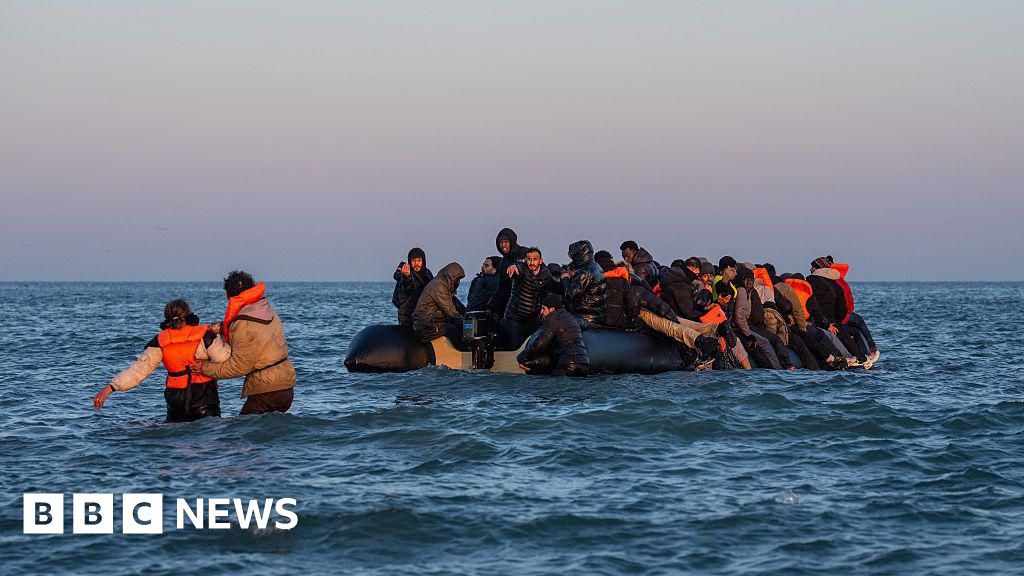
A critical shift in the dynamics of the asylum system was observed late last year, when, for the first time on record, the backlog of asylum appeals surpassed the backlog of cases awaiting an initial decision. This development signals a maturation of the processing challenges, indicating that while initial decisions may be processed more swiftly, a significant proportion are subsequently challenged, overwhelming the judicial review stage. The sheer volume of asylum claims also contributes to the systemic pressure; in the year leading up to December, 100,625 individuals sought asylum in the UK, with Home Office figures from February indicating that 41% of these arrivals occurred via small boats across the English Channel.
Systemic Underpinnings of the Crisis
The exponential growth in asylum appeals is not an isolated phenomenon but rather the culmination of multifaceted systemic pressures. A primary contributing factor lies in the initial decision-making quality within the Home Office. Critics argue that a focus on accelerating initial determinations, without a commensurate investment in thorough evidence gathering, high-quality interviewing, and robust legal reasoning, inevitably leads to a higher proportion of flawed or contentious refusals. When initial decisions are perceived as lacking fairness or legal accuracy, applicants are more likely to exercise their right to appeal, thereby shifting the bottleneck from the administrative stage to the judicial one.
Furthermore, the inherent complexity of international and domestic asylum law places significant demands on the entire system. The UK’s obligations under the 1951 Refugee Convention and the European Convention on Human Rights, coupled with intricate national immigration statutes, necessitate meticulous case assessment. Any perceived misapplication of these legal frameworks by initial caseworkers can form the basis of a legitimate appeal.
The capacity of the First-tier Tribunal (Immigration and Asylum Chamber) is another critical bottleneck. Decades of underfunding and under-resourcing have left the judicial system ill-equipped to handle such a dramatic increase in caseload. A shortage of judges, tribunal staff, administrative support personnel, and suitable courtroom facilities creates a structural impediment to efficient processing. Even with increased funding, recruiting and training qualified legal professionals to serve as judges and caseworkers is a time-consuming process, meaning immediate relief for the backlog is unlikely.
Moreover, policy shifts and legislative changes can inadvertently contribute to system strain. Frequent adjustments to immigration rules or asylum procedures require constant adaptation from both decision-makers and legal practitioners, potentially leading to inconsistencies and further appeals. The ongoing debate surrounding human rights laws, as referenced by the government spokesperson, indicates a potential for further legislative changes that could impact the appeals landscape.
Profound Implications and Consequences
The burgeoning asylum appeals backlog carries profound implications across humanitarian, financial, and political dimensions. For asylum seekers, the protracted waiting periods translate into prolonged uncertainty, often leading to severe mental health challenges, including anxiety, depression, and post-traumatic stress. Unable to work legally and integrate into society, individuals are left in a state of enforced dependency, with their lives on hold indefinitely. This humanitarian crisis undermines the very principles of protection and dignity that underpin the international asylum system. Children growing up in such circumstances face disrupted education and developmental challenges, with long-term consequences for their well-being and future integration.
Financially, the costs are staggering. Housing tens of thousands of asylum seekers in hotels and other temporary accommodations for years, rather than months, represents a massive expenditure of public funds. These costs extend beyond accommodation to include food, basic provisions, and access to healthcare, placing additional strain on already stretched public services. Furthermore, the inability of asylum seekers to contribute to the economy through work represents a lost economic opportunity, transforming potential taxpayers into dependents. The legal aid system, while crucial for ensuring access to justice, also incurs significant costs as cases are prolonged through multiple stages of appeal.
Politically, the growing backlog poses a significant challenge to the government’s credibility and its ability to deliver on key manifesto pledges. The promise to "stop the boats" and "restore order" to the asylum system rings hollow when a burgeoning judicial backlog signifies continued systemic dysfunction. Public dissatisfaction with the perceived inefficiency and cost of the asylum system can escalate, fueling anti-immigrant sentiment and creating electoral vulnerabilities. The current administration finds itself in a precarious position, needing to demonstrate effective management of both initial applications and the subsequent judicial challenges.
Governmental Strategy and Expert Scrutiny
The government’s stated strategy to address the crisis involves a multi-pronged approach, focusing on improving initial decision efficiency, reforming human rights laws, overhauling the appeals system, and injecting additional funding into tribunals. While the reduction in the initial asylum decision backlog is a notable achievement, its effectiveness is diminished if the problem is merely transferred to the appeals stage. This highlights a critical need for a holistic strategy that ensures quality and speed at every stage of the asylum process, from initial application to final appeal.
The proposed "£40,000 offer" for failed asylum seekers represents an attempt to expedite voluntary returns, potentially reducing the number of individuals requiring ongoing support and accommodation. While the government frames this as "compassionate but controlled," its efficacy and ethical implications will be subject to intense scrutiny. Critics might question whether such financial incentives address the root causes of failed applications or simply provide a costly exit strategy for individuals who have exhausted legal avenues.
Non-governmental organizations and legal experts consistently advocate for a more fundamental shift in approach. Imran Hussain’s observation that delays leave people "stuck" underscores the urgent need to view asylum seekers not merely as numbers but as individuals whose lives are profoundly impacted by bureaucratic inertia. Experts contend that a genuine resolution requires significant investment not only in tribunal capacity but also in the quality of initial Home Office decision-making. Providing early access to legal advice for asylum seekers can help ensure applications are robust and well-prepared, potentially reducing the number of appeals or strengthening those that proceed. A greater focus on understanding country of origin information and improving caseworker training could lead to more legally sound initial decisions, thereby reducing the grounds for appeal.
Pathways to Resolution and Future Outlook
Addressing the unprecedented asylum appeals backlog necessitates a comprehensive, long-term strategy that transcends short-term fixes and political cycles. A critical component must be a sustained and substantial investment in the judicial infrastructure. This includes not only increasing the number of judges and tribunal staff but also modernising IT systems, streamlining administrative processes, and ensuring adequate physical courtroom space. Recruitment and training programmes for legal professionals must be accelerated to meet the urgent demand.
Equally vital is an unwavering commitment to improving the quality and fairness of initial asylum decisions made by the Home Office. By ensuring that initial assessments are thorough, legally sound, and consistent, the number of meritorious appeals could be significantly reduced. This requires better training for caseworkers, enhanced access to country-specific information, and robust internal review mechanisms. Investing at the front end of the process can prevent costly and time-consuming appeals at the back end.
Furthermore, exploring innovative approaches to dispute resolution, without compromising due process, could offer pathways to expedite certain cases. This might include enhanced pre-appeal mediation services or more efficient case management within the tribunals. International cooperation remains crucial, both in addressing the root causes of forced migration and in developing burden-sharing mechanisms for processing asylum claims across European nations.
Ultimately, the resolution of the UK’s asylum appeals crisis hinges on sustained political will and a collaborative approach across government departments, the judiciary, and civil society. The current trajectory is unsustainable, both financially and ethically. A robust, fair, and efficient asylum system is not merely a bureaucratic ideal but a fundamental pillar of a just society and a responsible international actor. The imperative for reform is undeniable, and the challenge now lies in implementing solutions that deliver tangible improvements for all stakeholders, restoring confidence in the UK’s capacity to manage its immigration system with integrity and compassion.




 Aura Kasih
 Safa Marwah
 Ayu Aulia