Aura Kasih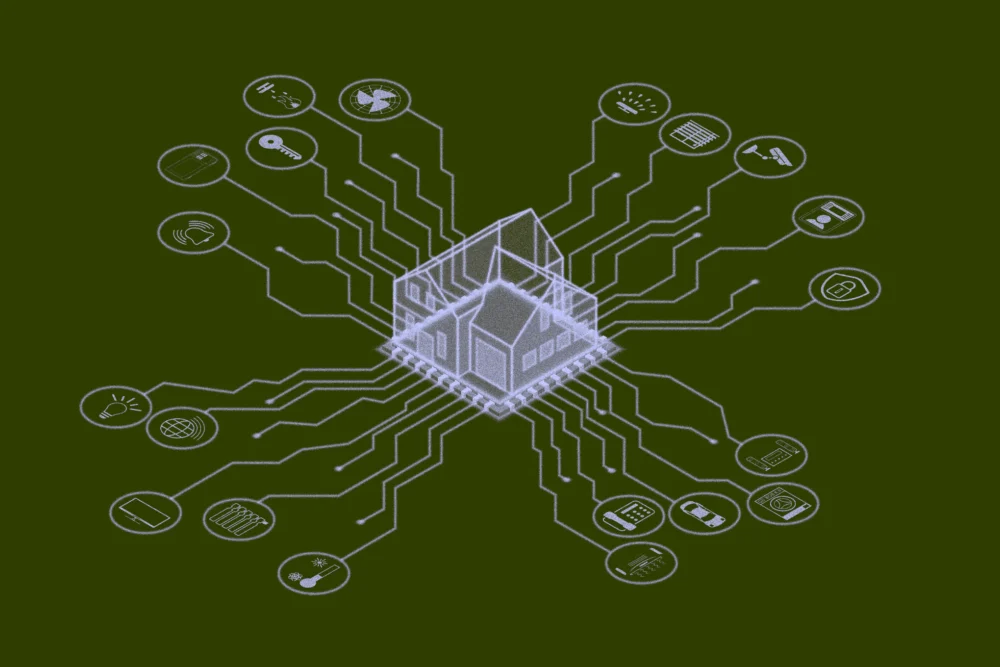
A groundbreaking initiative aimed at bolstering the security and trustworthiness of internet-connected consumer devices, the US Cyber Trust Mark Program, appears to be on the verge of collapse less than a year after its inception, casting a shadow over the future of smart home security certifications.
The landscape of consumer technology security is once again in flux as a prominent certification program, designed to provide consumers with clear indicators of robust cybersecurity for their smart home devices, faces significant headwinds. The US Cyber Trust Mark Program, a government-backed effort to establish a standardized security label for internet-connected products, is reportedly experiencing a crisis of confidence following the withdrawal of its primary testing administrator and ongoing investigations into its operational integrity. This development raises critical questions about the efficacy of such programs and the broader challenges in ensuring the security of the rapidly expanding smart home ecosystem.
The US Cyber Trust Mark Program, envisioned as a consumer-friendly emblem of digital safety, was launched with the ambitious goal of simplifying the complex world of smart device security for the average household. Modeled after successful energy efficiency labels like Energy Star, the program aimed to affix a distinct shield icon to products that met stringent cybersecurity benchmarks. This would empower consumers to make informed purchasing decisions, prioritizing devices that had undergone rigorous testing and demonstrated a commitment to protecting user data and network integrity. The program’s rollout, initially slated for high-profile industry events like CES 2025, promised a new era of transparency and accountability in the smart home market.
However, the journey from conception to widespread adoption has been fraught with challenges. The program’s operational backbone has been significantly weakened by the recent announcement from UL Solutions, a globally recognized leader in product safety testing, that it is stepping down from its role as the lead administrator for the Cyber Trust Mark Program. This decision, made just months after the Federal Communications Commission (FCC) initiated a formal inquiry into the program, signals a potential unraveling of the initiative before it could gain substantial traction. The FCC’s investigation, according to reports, centers on concerns regarding the program’s ties to entities based in China, a geopolitical consideration that has increasingly influenced technology policy and regulatory oversight in the United States.
This situation is not entirely unprecedented within the FCC’s recent regulatory actions concerning cybersecurity. In a move that some observers have characterized as a rollback of protections, the FCC rescinded cybersecurity mandates for telecommunications companies earlier this year. These regulations had been put in place in the aftermath of the significant "Salt Typhoon" cyberattack in 2024, an incident that underscored the vulnerabilities inherent in critical communication infrastructure. Furthermore, FCC Chairman Brendan Carr has been actively engaged in scrutinizing third-party testing laboratories, particularly those with operations in China. This proactive stance has led to the decertification of several laboratories deemed to be less than transparent or compliant, a policy aimed at ensuring the integrity of the testing and certification processes for all technology products entering the US market.
The implications of UL Solutions’ withdrawal are substantial. As the primary administrator, UL Solutions was responsible for overseeing the complex testing protocols, certifying laboratories, and ensuring that participating manufacturers adhered to the program’s cybersecurity standards. Without a lead administrator, the program is left in a state of profound uncertainty, jeopardizing its ability to function and achieve its stated objectives. The absence of a robust and trusted administrative body raises serious doubts about the future viability of the Cyber Trust Mark, potentially leaving consumers without the clear security guidance that the program was designed to provide.
The genesis of the Cyber Trust Mark Program can be traced back to 2023, a period marked by increasing public and governmental concern over the proliferation of insecure internet-connected devices. The Biden administration, recognizing the growing threat posed by vulnerabilities in smart home products, championed the initiative as a critical step towards enhancing national cybersecurity. The core concept was to leverage a familiar and trusted labeling system, akin to Energy Star’s depiction of energy efficiency, to denote a device’s adherence to established cybersecurity best practices. This would include measures such as secure software development, regular security updates, robust data encryption, and protection against common cyber threats.

The program’s initial launch at CES 2025, a major consumer electronics trade show, generated considerable anticipation within the tech industry and among cybersecurity advocates. It represented a tangible effort to address the often-opaque security credentials of smart devices, ranging from connected thermostats and security cameras to smart speakers and appliances. The promise was a future where consumers could readily identify and select products that were demonstrably more secure, thereby reducing the risk of data breaches, unauthorized access, and network compromises.
However, the program’s momentum appears to have been significantly hampered by the FCC’s investigation. While the exact nature and scope of the FCC’s concerns are not fully detailed, the focus on ties to China suggests a broader geopolitical dimension influencing the program’s implementation. In an era of heightened awareness regarding supply chain security and intellectual property protection, regulatory bodies are increasingly scrutinizing foreign influence and potential security risks associated with technologies developed or tested by entities in countries with which the US has complex strategic relationships. The involvement of Chinese-based entities in the testing or certification processes could have raised red flags regarding data privacy, potential for state-sponsored espionage, or adherence to US cybersecurity standards.
The withdrawal of a major testing partner like UL Solutions, especially in light of such an investigation, creates a significant void. It signals a potential loss of confidence in the program’s operational integrity or an unwillingness to navigate the complexities arising from regulatory scrutiny. For manufacturers who were preparing to submit their products for certification, this creates uncertainty and could lead to delays or a complete reassessment of their participation. The absence of a clear path forward for certification could result in a prolonged period where consumers are left without the promised security labeling, potentially perpetuating the problem of insecure smart home devices entering the market.
The broader implications of this program’s potential demise extend beyond the immediate consumer market. It highlights the inherent difficulties in establishing and maintaining effective, government-backed cybersecurity certification programs in a rapidly evolving technological landscape. Such initiatives require not only stringent technical standards but also robust administrative oversight, transparent testing methodologies, and broad industry buy-in. Moreover, in the current geopolitical climate, the influence of international relations on technology regulation cannot be overstated.
The future of smart home security, therefore, remains a critical area demanding attention. While the Cyber Trust Mark Program may be faltering, the underlying need for clear, reliable security indicators for consumers is more pressing than ever. The proliferation of Internet of Things (IoT) devices continues unabated, and with each new connected device, the potential attack surface for malicious actors expands. Consumers are increasingly reliant on these devices for convenience and functionality, but they are often unaware of the inherent security risks associated with them.
Moving forward, stakeholders will need to re-evaluate the most effective strategies for promoting smart home security. This could involve a renewed focus on industry-led initiatives, perhaps with stronger government endorsement and oversight, or the exploration of alternative regulatory frameworks. The emphasis on consumer education regarding cybersecurity best practices will also remain paramount.
The FCC’s role in fostering a secure technological environment is crucial. While its efforts to investigate and address potential security vulnerabilities are commendable, the disruption caused by the potential collapse of the Cyber Trust Mark Program underscores the need for careful planning and execution of such initiatives. The program’s initial promise of enhanced consumer protection and a more secure smart home ecosystem now hangs precariously in the balance, a stark reminder of the complex interplay between technology, regulation, and international dynamics in shaping the digital future. The silence from the FCC on the program’s future, following requests for comment, only amplifies the prevailing sense of uncertainty surrounding this once-promising cybersecurity endeavor. The industry, and consumers alike, will be watching closely to see if this initiative can be salvaged or if it will become another cautionary tale in the ongoing effort to secure the digital frontier.


 Safa Marwah
 Ayu Aulia