Lisa Mariana
The year 2025 has drawn to a close, leaving behind a profound sense of loss as the world bids farewell to an array of luminaries whose contributions spanned cinema, politics, music, literature, and sport. From a transformative pontiff and a celebrated fashion icon to Hollywood legends and pioneering cultural figures, these individuals have indelibly shaped their respective fields and global consciousness. Their passing invites reflection on their enduring legacies, the impact of their work, and the cultural voids they leave in their wake.

Icons of Stage and Screen

The cinematic and theatrical worlds witnessed the departure of several titans this year, figures whose performances and creative visions illuminated screens and stages for decades. Their work transcended mere entertainment, often reflecting societal shifts and pushing artistic boundaries.
Robert Redford
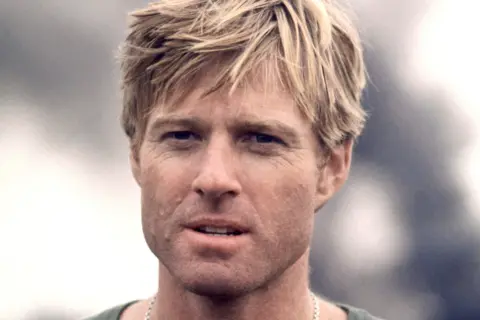
Robert Redford, a quintessential American actor and filmmaker, captivated audiences for over five decades, becoming an emblem of both rugged individualism and profound artistic integrity. His career, marked by a discerning eye for compelling narratives, saw him star in critically acclaimed films such as Butch Cassidy and the Sundance Kid, The Way We Were, and the Watergate exposé All the President’s Men. Beyond his iconic screen presence, Redford’s commitment to independent cinema was revolutionary; he founded the Sundance Institute and Film Festival, transforming the landscape for emerging filmmakers and fostering a vibrant alternative to mainstream Hollywood. His artistic vision extended to directing, earning him an Academy Award for Ordinary People. Redford was not merely a handsome face; he was a cultural force who championed storytelling and carved out a unique space for serious, character-driven cinema, leaving an enduring imprint on the industry.

Diane Keaton
Diane Keaton’s distinctive style and formidable acting talent made her an indelible presence in American cinema. Her early career was defined by a remarkable partnership with Woody Allen, which yielded some of the era’s most iconic films, including the groundbreaking Annie Hall, for which she earned an Academy Award for Best Actress. Keaton’s unique blend of vulnerability, intelligence, and quirky charm resonated deeply with audiences, establishing a new archetype for leading women on screen. Beyond her comedic brilliance, she showcased dramatic depth in films like The Godfather trilogy, Reds, and Marvin’s Room, earning further Oscar nominations. Her influence extended beyond acting, with her unconventional fashion sense becoming a cultural touchstone. Keaton consistently defied categorization, embodying a spirit of independence and intellectual curiosity that shaped her diverse and celebrated filmography.
Prunella Scales
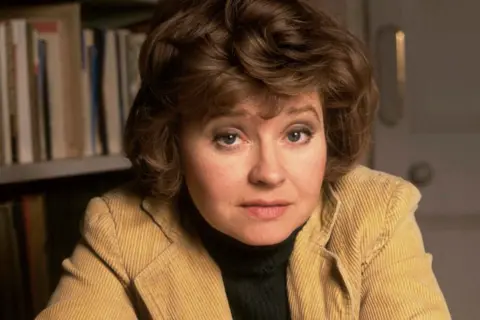
Dame Prunella Scales, a beloved figure in British entertainment, will forever be associated with her iconic portrayal of Sybil Fawlty in the timeless sitcom Fawlty Towers. Her sharp wit and exasperated cries of "Basil!" encapsulated a comedic genius that made the character an enduring favourite. However, Scales’ career was far more extensive and varied, encompassing a distinguished stage career where she performed in classical and contemporary roles, earning critical acclaim. Her versatility also saw her play Queen Elizabeth II in Alan Bennett’s A Question of Attribution. In later life, she charmed a new generation alongside her husband, Timothy West, in the popular Great Canal Journeys, demonstrating an enduring spirit and a deep connection to British waterways. Her legacy is one of remarkable range, from the height of comedic timing to profound dramatic performances.
David Lynch
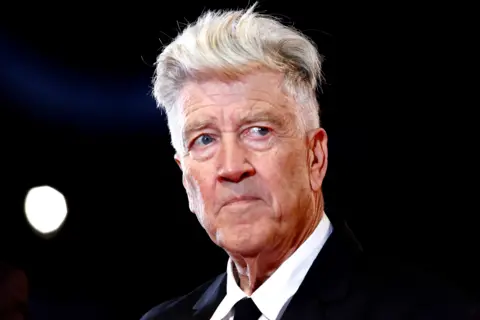
David Lynch, the visionary American filmmaker, redefined the boundaries of cinematic storytelling, blending surrealism, psychological drama, and unsettling imagery to create a singular artistic universe. His work, characterized by dreamlike narratives and often disturbing undertones, challenged conventional Hollywood structures. Films like Blue Velvet and Mulholland Drive cemented his status as a true auteur, exploring the dark undercurrents beneath seemingly idyllic surfaces. Perhaps his most significant cultural impact came with the television series Twin Peaks, a groundbreaking exploration of a small-town mystery that fused melodrama with the avant-garde, influencing countless subsequent productions. Lynch’s unique aesthetic and philosophical approach to cinema ensured his place as one of the most original and influential directors of his generation, leaving behind a body of work that continues to fascinate and provoke.

Malcolm-Jamal Warner
Malcolm-Jamal Warner rose to prominence as Theo Huxtable on the massively successful 1980s sitcom The Cosby Show, a role that made him a household name and an integral part of one of television’s most beloved families. His portrayal of the relatable son navigating adolescence and family dynamics resonated with millions, contributing to the show’s cultural significance as a depiction of an aspirational African-American family. Handpicked after an exhaustive audition process, Warner transitioned from child star to a versatile actor, continuing his career in various television series, including Malcolm & Eddie and The Resident. His career demonstrated remarkable longevity and adaptability, proving him to be more than just a nostalgic figure from a classic era of television.
Gene Hackman
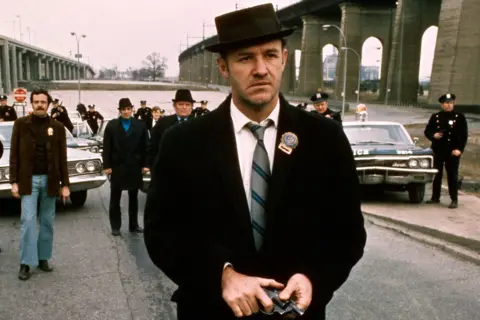
Gene Hackman, a two-time Academy Award winner, established himself as one of Hollywood’s most compelling and versatile actors. Renowned for his ability to embody gritty, complex characters, he delivered an electrifying performance as Detective Popeye Doyle in The French Connection, earning his first Best Actor Oscar and cementing his tough-guy image. His range, however, extended far beyond, as evidenced by his nuanced portrayal in Clint Eastwood’s Western masterpiece Unforgiven, which garnered him a second Oscar. Hackman also showcased a remarkable comedic timing in films like Young Frankenstein and The Royal Tenenbaums. His retirement from acting in the early 2000s left a void, but his extensive filmography stands as a testament to a career defined by powerful, authentic performances.
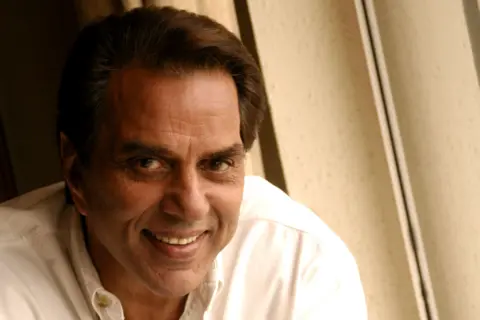
Dharmendra
Dharmendra, affectionately known as the "original He-Man of Bollywood," was a towering figure in Indian cinema, with a career spanning over seven decades and more than 300 films. His rugged good looks, charismatic screen presence, and ability to effortlessly transition between action, romance, and comedy made him a superstar. He was a central figure in some of Bollywood’s most iconic productions, notably the 1975 blockbuster Sholay, which remains a cultural phenomenon. Dharmendra’s modesty regarding his physical appeal belied a powerful on-screen magnetism that captivated generations of fans. His immense popularity and prolific output made him a cornerstone of Hindi cinema, influencing countless actors and leaving an enduring legacy as one of India’s most beloved film stars.
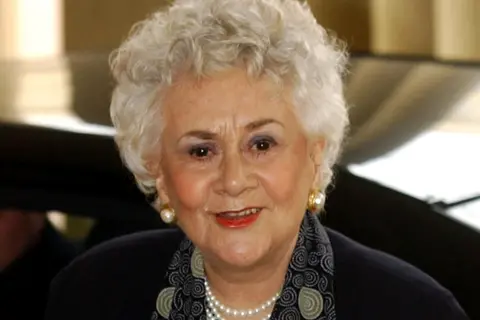
Dame Joan Plowright
Dame Joan Plowright, an esteemed British actress, graced both stage and screen with a career spanning over 60 years. A leading lady in London’s West End during the 1950s, she notably starred opposite Sir Laurence Olivier, whom she later married, in John Osborne’s The Entertainer. Her formidable talent earned her accolades across mediums, from her Tony Award-winning performances on Broadway to her Oscar-nominated role in Enchanted April. Plowright’s enduring presence and profound contributions to the performing arts were recognized with a Damehood, solidifying her status as a theatrical matriarch and a highly respected figure in the global acting community.
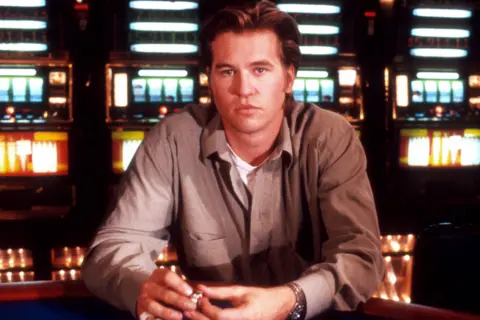
Val Kilmer
Val Kilmer, described by critics as one of the most "unsung leading men of his generation," possessed a chameleon-like ability to inhabit diverse roles. He burst onto the scene with memorable performances as Tom "Iceman" Kazansky in Top Gun and a critically acclaimed portrayal of Jim Morrison in The Doors, demonstrating both charisma and intense dramatic skill. His tenure as Batman, though brief, showcased his range, taking over from Michael Keaton. Despite a period where leading roles became less frequent, Kilmer faced significant health battles, including throat cancer, which profoundly impacted his voice. His powerful return to the screen, reprising his "Iceman" role in Top Gun: Maverick, with his real-life condition woven into the character, was a poignant and celebrated moment, marking a testament to his resilience and dedication to his craft.
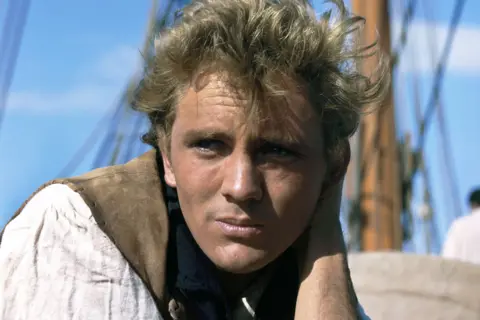
Terence Stamp
Terence Stamp epitomized the cool, rebellious spirit of "swinging London" in the 1960s, quickly rising to international fame with a string of iconic films such as Billy Budd, Modesty Blaise, and Far From The Madding Crowd. His striking looks and intense screen presence made him a muse for directors and a heartthrob of the era. After a period away from the limelight, Stamp made a triumphant return, showcasing his versatility as the formidable General Zod in Superman II and later earning critical acclaim for his portrayal of a transgender woman in The Adventures of Priscilla, Queen of the Desert. His career trajectory reflected a rare ability to reinvent himself and remain relevant across changing cinematic landscapes, leaving behind a diverse and memorable film legacy.
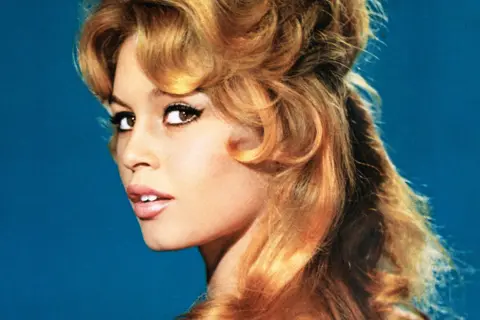
Brigitte Bardot
Brigitte Bardot, the legendary French actress, irrevocably altered the portrayal of women in cinema, becoming a global symbol of sexual liberation and untamed femininity in the 1950s and 60s. Her captivating screen presence and uninhibited charm in films like And God Created Woman broke conventions, inspiring a generation and solidifying her status as an international icon. However, the relentless glare of celebrity proved burdensome, leading her to famously abandon her acting career to dedicate herself to animal welfare. In later years, Bardot’s reputation became complicated by controversial statements, leading to legal repercussions for inciting racial hatred. Her legacy is a complex tapestry of revolutionary cultural impact, personal retreat, and controversial later-life activism.

Claudia Cardinale
Claudia Cardinale, the Tunisian-born Italian actress, was a luminous presence during the golden age of Italian cinema, captivating audiences with her beauty and powerful performances. Her breakout year in 1963 saw her star in two masterpieces: Federico Fellini’s Oscar-winning 8½ and Luchino Visconti’s epic The Leopard, solidifying her place among the era’s greatest actresses. She successfully transitioned to Hollywood, featuring in international hits like The Pink Panther, where her elegance and charm were widely celebrated. Cardinale’s career, spanning six decades, was a testament to her enduring appeal and her ability to work with cinematic giants, leaving an indelible mark on both European and American film history.

Dame Patricia Routledge
Dame Patricia Routledge’s name is synonymous with the indomitable Hyacinth Bucket (pronounced "Bouquet") from the BBC’s beloved sitcom Keeping Up Appearances. Her meticulously crafted portrayal of the snobbish, social-climbing housewife became a global phenomenon, earning her immense popularity and demonstrating her mastery of comedic timing. Beyond this iconic role, Routledge boasted a distinguished career on both British and Broadway stages, earning a Tony Award for her musical performances. Her versatility also shone through in Victoria Wood’s monologues as Kitty and her dramatic work. Routledge’s legacy is one of comedic precision and a deep commitment to her craft, leaving behind a body of work that continues to bring laughter to millions.
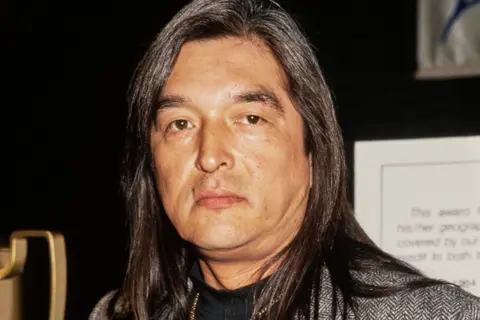
Graham Greene
Graham Greene, the Canadian actor, achieved international recognition for his powerful and dignified portrayal of Kicking Bird in the 1990 Western epic Dances With Wolves, earning him an Academy Award nomination for Best Supporting Actor. As a proud member of the Oneida Nation, Greene’s presence in Hollywood was significant, bringing authenticity and gravitas to Indigenous characters. Prior to his acting career, he held various manual jobs, a background that perhaps informed the grounded nature of his performances. His subsequent filmography included notable roles in blockbusters such as The Green Mile, Die Hard With A Vengeance, and Maverick, showcasing his enduring talent and versatility across genres.
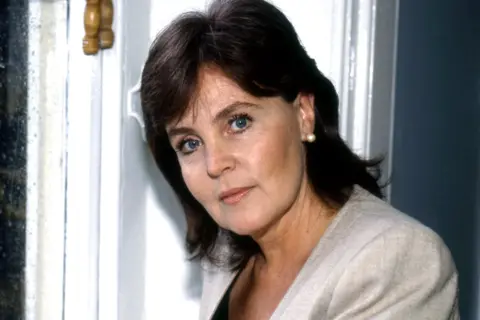
Pauline Collins
Pauline Collins achieved global acclaim and an Academy Award nomination for her titular role in the 1989 film Shirley Valentine. Her portrayal of a disillusioned Liverpool housewife who finds liberation and romance on a Greek island resonated with audiences worldwide, becoming a powerful anthem for self-discovery. Prior to this international success, Collins was a familiar and cherished face on British television, starring in the popular ITV series Upstairs Downstairs and its spin-off, Thomas And Sarah, often alongside her husband, John Alderton. Her ability to embody relatable, complex female characters with warmth and humor made her a beloved figure in both British and international entertainment.
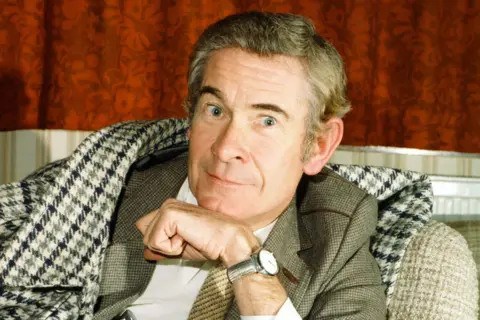
Stanley Baxter
Stanley Baxter, a Scottish comedy legend, was a colossal figure in British television for several decades, celebrated for his elaborate sketch shows and masterly impersonations. His unique brand of humour, often involving intricate parodies of television and Hollywood films where he remarkably played multiple characters, was a staple of entertainment from the 1960s to the 1980s. The Glaswegian comic actor’s work was characterized by meticulous attention to detail and a boundless creative energy. Even after retiring from mainstream television, Baxter continued to delight audiences as a beloved pantomime dame in Scotland, showcasing his enduring talent and deep connection to live performance.
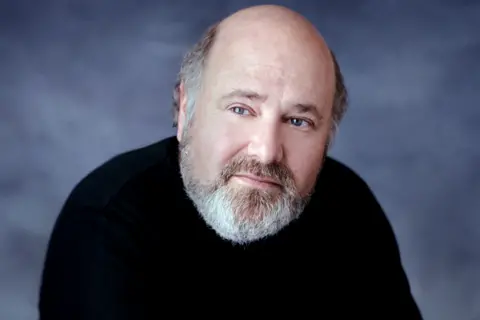
Rob Reiner
Rob Reiner transitioned from a beloved television actor, most notably as Michael "Meathead" Stivic in the iconic 1970s sitcom All in the Family, to become one of Hollywood’s most respected and versatile directors. His directorial oeuvre is a testament to his ability to master diverse genres, from the cult classic mockumentary This Is Spinal Tap and the seminal romantic comedy When Harry Met Sally, to the intense courtroom drama A Few Good Men and the chilling psychological thriller Misery. Reiner’s films consistently achieved both critical acclaim and commercial success, demonstrating a profound understanding of storytelling and character, solidifying his legacy as a filmmaker of exceptional range and influence.

Voices in Politics and Public Service
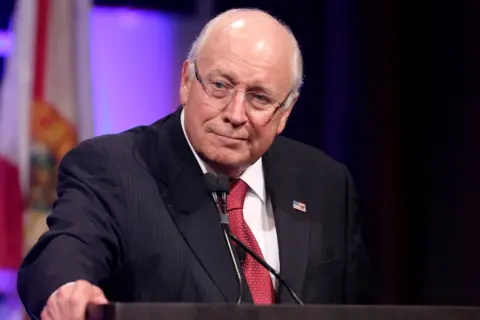
The political landscape mourned the loss of figures who, through their ideologies, actions, and public service, left indelible marks on their nations and beyond.
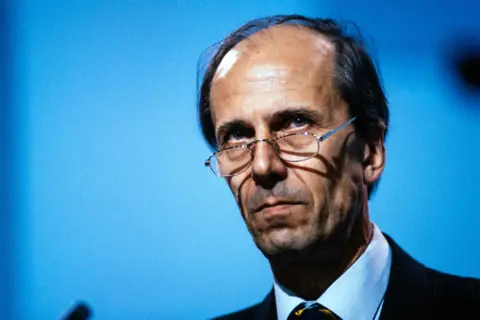
Dick Cheney
Dick Cheney served as Vice President under George W. Bush from 2001 to 2009, wielding unprecedented power and influence within the administration. A key architect of the "war on terror" following the 9/11 attacks, he was instrumental in shaping American foreign policy, particularly advocating for the 2003 invasion of Iraq. Known for his steadfast conservative ideology, Cheney was a formidable and often controversial figure whose strategic acumen profoundly impacted US national security and global affairs. In a notable later act, he became a vocal critic of President Donald Trump, asserting that Trump posed an existential threat to the American republic, a stance consistent with his deeply held views on constitutional integrity.

Lord Norman Tebbit
Lord Norman Tebbit was a formidable and unyielding figure in Margaret Thatcher’s Conservative government, embodying the iron will of the era. Known for his combative style and unwavering commitment to free-market principles, he was a key architect of Thatcherite reforms, particularly in the realm of industrial relations. His infamous "on your bike" comment, urging the unemployed to seek work, became a defining, albeit controversial, soundbite of the 1980s. Tebbit’s political career was also marked by personal tragedy when he and his wife were severely injured in the 1984 Brighton bombing, an event that led to his eventual departure from Cabinet to care for her. His legacy is deeply intertwined with the radical transformation of Britain under Thatcher.

Baroness Jenny Randerson
Baroness Jenny Randerson, a distinguished Liberal Democrat politician, made history as the first female Liberal Democrat minister anywhere when she was appointed Wales’s Minister for Culture, Sport and the Welsh Language in 2000. Her tenure in the Welsh Assembly (now the Senedd) was marked by significant contributions to cultural policy and a period as acting Deputy First Minister. A dedicated public servant, Randerson’s career demonstrated a steadfast commitment to Welsh identity and liberal democratic values, paving the way for future generations of women in Welsh politics and leaving a legacy of pioneering leadership.

Charlie Kirk
Charlie Kirk emerged as a highly influential right-wing American activist and media personality, founding Turning Point USA, a prominent student organization dedicated to promoting conservative principles on college campuses. Kirk gained a massive following, particularly among young conservatives, through his direct and often provocative engagement with students, challenging liberal viewpoints in viral online clips. His strategic use of social media platforms like X and TikTok amassed millions of followers, enabling him to significantly mobilize the youth vote for President Donald Trump in the 2024 election. Kirk’s impact underscored a new era of youth political activism and the power of digital platforms in shaping electoral outcomes.
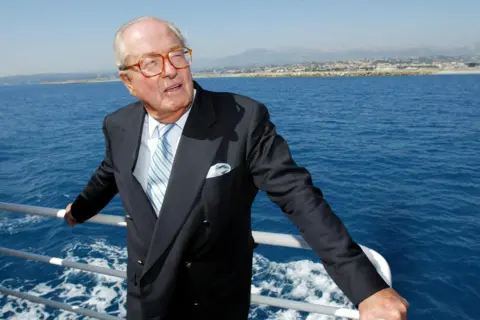
Baroness Helen Newlove
Baroness Helen Newlove’s journey into politics was tragically galvanized by the murder of her husband in 2007, an event that propelled her into a tireless campaign for victims’ rights. She served two terms as Victims’ Commissioner for England and Wales, advocating fiercely for improved support and justice for those affected by crime. Elevated to a Conservative peer in 2010, she became a respected voice in the House of Lords, where she also served as deputy speaker. Baroness Newlove’s unwavering dedication to transforming the criminal justice system from the perspective of victims leaves a profound and deeply personal legacy of advocacy and reform.

Jean-Marie Le Pen
Jean-Marie Le Pen, an unrepentant extremist, was a pivotal and controversial figure in French politics, single-handedly propelling far-right views into the mainstream. In 1972, he founded the Front National (now National Rally), a party built on an anti-immigration platform and a deeply nationalistic ideology. Despite never achieving the presidency, his unexpected second-place finish in 2002 sent shockwaves through the political establishment. Le Pen’s career was consistently marred by inflammatory and often racist remarks, most infamously his repeated assertion that the Holocaust was a mere "detail" of World War Two, which ultimately led to his expulsion from the party by his daughter, Marine Le Pen, in 2015. His legacy is one of radical political transformation and enduring controversy in France.

Maestros of Melody
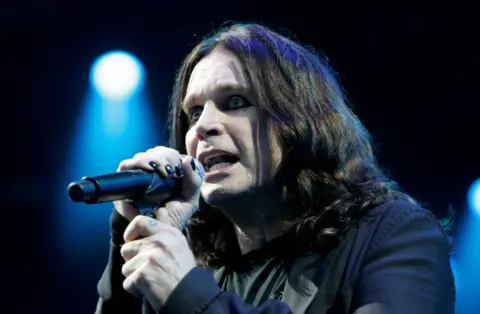
The world of music mourned several beloved artists whose voices and compositions enriched countless lives and left an indelible mark on various genres.

Marianne Faithfull
Marianne Faithfull, a true icon of the 1960s, embarked on a remarkable journey from pop ingénue to a revered, gravel-voiced artist. Discovered at 17, her debut single "As Tears Go By," co-written by Mick Jagger, launched her into the heart of the British music scene. While early success was overshadowed by personal struggles, including heroin addiction, Faithfull staged a powerful artistic comeback with albums like Broken English. This period revealed a new depth and rawness in her music, marked by a distinctive, world-weary vocal style. Her collaborations with artists like Nick Cave and Tom Waits further cemented her reputation as a resilient and uncompromising artist whose honest lyricism and enduring spirit resonated deeply.

Ozzy Osbourne
John "Ozzy" Osbourne, the "Prince of Darkness," was a monumental figure in rock music, primarily known as the legendary frontman of Black Sabbath, widely credited as pioneers of heavy metal. His wild stage persona and notorious antics, including the infamous bat-biting incident, cemented his reputation as a rock ‘n’ roll renegade. Beyond his groundbreaking musical career, Osbourne found an unexpected second wave of fame in the 2000s as one of the earliest and most successful stars of reality television with The Osbournes, which offered a candid and often humorous glimpse into the eccentric life of his family. His enduring influence on heavy metal and his surprising transition to mainstream pop culture solidified his status as a true rock legend.
Jimmy Cliff
Jimmy Cliff, the pioneering reggae artist, played a crucial role in bringing the vibrant sounds of Jamaica to a global audience. His iconic hits, including "Many Rivers To Cross," "Beautiful People," and "You Can Get It If You Really Want," became anthems of hope and resilience. Cliff’s cultural impact was further amplified by his starring role in the 1972 film The Harder They Come, one of Jamaica’s most successful cinematic exports. The film’s title track, which he wrote and performed, became one of his biggest international hits, intertwining his musical and acting legacies. Cliff remains a celebrated figure, a true ambassador of reggae who bridged cultural divides with his soulful voice and powerful messages.
Gary ‘Mani’ Mounfield
Gary "Mani" Mounfield was the rhythmic backbone of The Stone Roses, a band synonymous with the "Madchester" music scene of the late 1980s and early 90s. His distinctive, driving basslines were integral to the group’s unique fusion of rock, dance, and funk, underpinning the critically acclaimed, self-titled debut album which was often hailed as one of the greatest British albums of all time. After The Stone Roses disbanded, Mani continued to contribute his undeniable talent to Scottish rock band Primal Scream, demonstrating his enduring skill and importance within alternative music circles. His contributions to the iconic sounds of his era are undeniable.
Roberta Flack
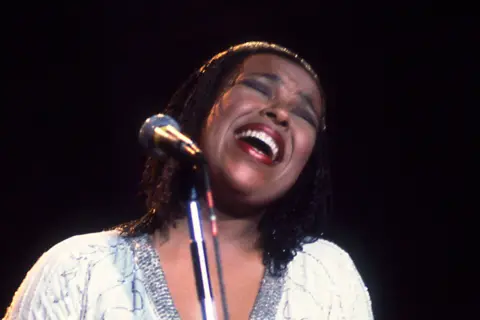
Roberta Flack, a soul legend with a foundation in classical piano, possessed a voice of extraordinary warmth and clarity that captivated listeners worldwide. She achieved her breakthrough in her 30s, with her exquisite rendition of "The First Time Ever I Saw Your Face" spending six weeks at number one in the US and earning her the Song of the Year Grammy in 1973. The following year, she repeated this triumph with the equally iconic "Killing Me Softly With His Song." Flack’s career was characterized by a meticulous musicality and an emotional depth that made her a beloved figure in soul, R&B, and jazz, leaving a legacy of timeless, deeply moving recordings.
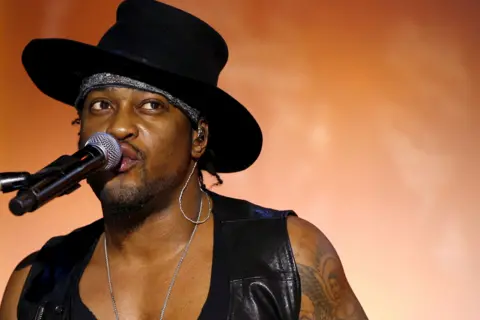
Sly Stone
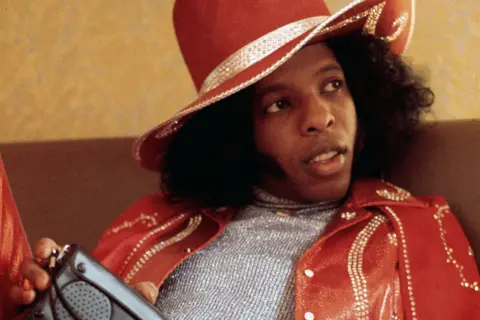
Sly Stone, a visionary musician, revolutionized popular music by seamlessly blending soul, rock, and psychedelia with his band, Sly and the Family Stone. Their innovative sound produced hits like "Dance To The Music" and "Thank You (Falettinme Be Mice Elf Agin)," making them one of the most influential US




 Aura Kasih
 Safa Marwah
 Ayu Aulia