Ridwan Kamil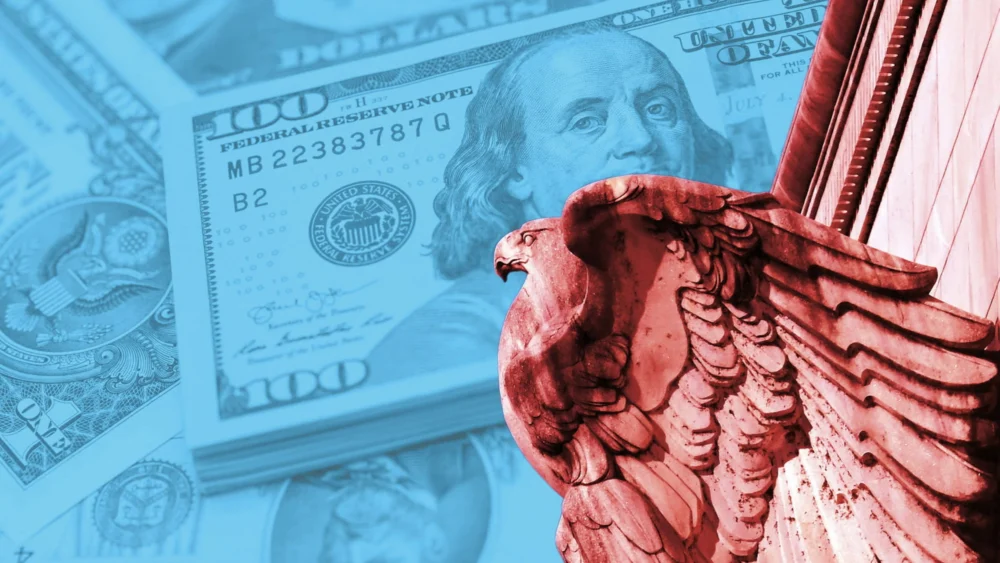
The U.S. dollar is poised for its most significant annual depreciation in almost ten years, signaling a potent shift in global economic sentiment and financial flows. This substantial weakening is not merely a statistical anomaly but a reflection of evolving international monetary policy, changing inflation dynamics, and a recalcitrant U.S. economy facing headwinds that are prompting a reassessment of its traditional safe-haven status. The implications of this dollar downturn are far-reaching, impacting international trade, investment strategies, and the economic outlook for nations worldwide.
For much of the past decade, the U.S. dollar has reigned supreme, a bulwark of stability and a favored asset for investors seeking refuge during times of global uncertainty. Its strength has been underpinned by a combination of factors: the Federal Reserve’s proactive monetary policy, the dollar’s role as the world’s primary reserve currency, and the sheer size and dynamism of the U.S. economy. However, recent economic developments have begun to erode this long-held dominance, ushering in a period of significant dollar depreciation.
Several key drivers are contributing to this pronounced decline. Foremost among them is the Federal Reserve’s pivot in its monetary policy stance. After an aggressive cycle of interest rate hikes aimed at combating persistent inflation, the Fed has signaled a potential pause, and even the possibility of future rate cuts, as inflation shows signs of moderating and concerns about economic growth intensify. This shift in policy expectations directly impacts the attractiveness of dollar-denominated assets. Higher interest rates generally strengthen a currency by attracting foreign capital seeking higher yields. Conversely, the prospect of lower interest rates diminishes this appeal, leading to capital outflows and a weaker dollar.
Furthermore, the global inflation landscape has begun to diverge. While the U.S. has grappled with elevated price pressures, other major economies, particularly in Europe, have seen inflation figures moderate more rapidly. This divergence in inflationary trends influences the relative attractiveness of different currencies. As inflation cools in other regions, their central banks may be able to adopt more accommodative monetary policies sooner than the Federal Reserve, making their currencies more appealing to investors.
The U.S. economic performance itself is also playing a crucial role. While the U.S. economy has demonstrated remarkable resilience, signs of slowing growth are becoming increasingly apparent. Concerns about a potential recession, coupled with a widening fiscal deficit and an increasing national debt, are beginning to weigh on investor confidence. The perception of the U.S. as an unassailable economic powerhouse is being tempered by these emerging challenges, prompting a recalibration of risk appetites among global investors.
The dollar’s weakening trend has profound implications for international trade and finance. For countries that hold significant dollar reserves, a depreciating dollar can lead to substantial losses in the value of those holdings. Conversely, for nations whose currencies are strengthening against the dollar, the cost of importing goods and services denominated in dollars decreases, potentially leading to lower inflation and increased purchasing power.
Exporters in countries with appreciating currencies may find their goods becoming more expensive on the global market, potentially impacting their competitiveness. Conversely, U.S. exporters could benefit from a weaker dollar, as their products become more affordable for foreign buyers, potentially boosting export volumes and supporting domestic industries. However, this advantage can be offset by the rising cost of imported components and raw materials.
The impact on commodity markets is also significant. Many major commodities, such as oil and gold, are priced in U.S. dollars. A weaker dollar typically makes these commodities cheaper for holders of other currencies, which can stimulate demand and potentially lead to higher prices. For oil-exporting nations, a weaker dollar can translate into higher revenues when converted back into their local currencies.
The shift away from dollar dominance also has implications for global monetary policy and the international financial system. For decades, the U.S. dollar has served as the world’s primary reserve currency, facilitating international trade and investment. A sustained period of dollar weakness could accelerate efforts by some nations to diversify their reserves and explore alternative international payment mechanisms, potentially leading to a more multipolar global financial system.
Looking ahead, the trajectory of the U.S. dollar will be closely watched by policymakers, investors, and businesses worldwide. Several factors will shape its future performance. The Federal Reserve’s future monetary policy decisions will remain paramount. Any indication of a return to aggressive tightening or a prolonged period of lower interest rates will significantly influence the dollar’s value.
The evolution of inflation in the U.S. and globally will also be a key determinant. Should inflation prove more persistent in the U.S. than anticipated, it could force the Fed to maintain higher interest rates for longer, potentially supporting the dollar. Conversely, a sharper-than-expected decline in global inflation could embolden other central banks to ease policy, further weakening the dollar.
The health of the U.S. economy will continue to be a critical factor. Signs of a soft landing, or even a robust recovery, could rekindle investor confidence and bolster the dollar. However, a deeper or more prolonged economic downturn would likely exacerbate the current trend of depreciation. Geopolitical developments and global risk sentiment will also play a role. In times of heightened global instability, the dollar often benefits from its safe-haven status, though this has been somewhat diminished in recent times.
The current trend suggests a recalibration of the dollar’s role in the global economy. While it is unlikely to be supplanted as the world’s primary reserve currency in the short term, its dominance is being challenged. This period of significant dollar depreciation presents both opportunities and challenges for economies around the globe. Navigating this evolving landscape will require careful monitoring of economic indicators, monetary policy shifts, and geopolitical developments. The era of unquestioned dollar supremacy may be giving way to a more fluid and dynamic international financial environment. This shift underscores the interconnectedness of global economies and the constant interplay of economic forces that shape currency valuations and international financial flows. The coming months will be crucial in determining whether this period of dollar weakness represents a temporary adjustment or the beginning of a more profound and lasting alteration in the global economic order.

 Aura Kasih
 Safa Marwah
 Ayu Aulia