Ridwan Kamil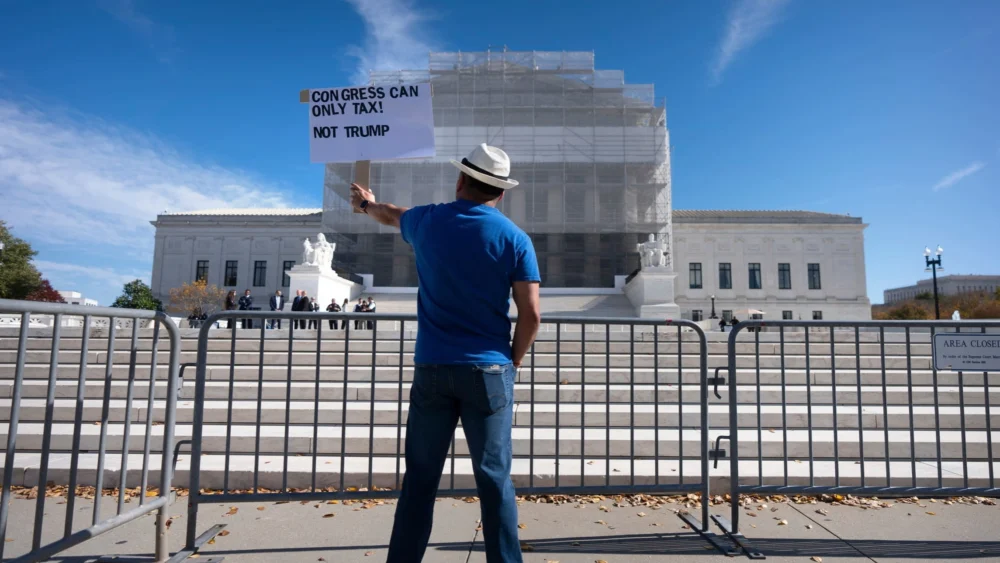
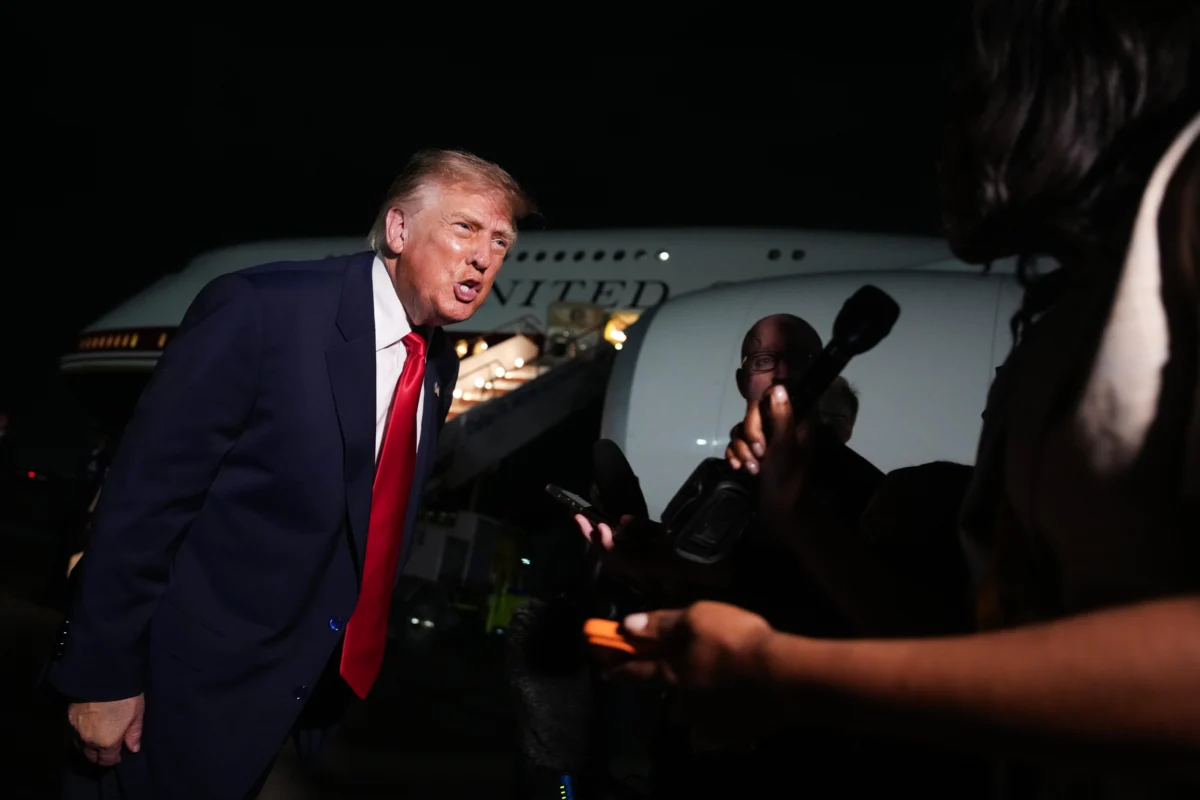
In a preemptive display of economic statecraft, former President Donald Trump has signaled his intention to implement a fresh wave of import duties should the Supreme Court rule against existing tariffs. This strategic maneuver underscores a broader philosophy of leveraging trade policy as a primary tool for economic and geopolitical influence, regardless of adverse judicial outcomes. The potential imposition of new levies, even in the face of legal challenges to current measures, suggests a commitment to a protectionist agenda that prioritizes domestic industry and national economic sovereignty above international trade norms.
The political and economic ramifications of such a move are considerable, extending beyond mere fiscal adjustments to encompass intricate international relations and the stability of global supply chains. Trump’s inclination to bypass or counteract unfavorable judicial decisions, particularly concerning economic policy, highlights a persistent tension between executive authority and the judiciary’s role in oversight. This approach raises fundamental questions about the separation of powers and the long-term predictability of U.S. trade policy.
The legal landscape surrounding the existing tariffs is complex. Historically, presidential authority to impose tariffs has been subject to congressional delegation and judicial review. Challenges to these tariffs often center on whether the executive branch has exceeded its statutory authority or violated constitutional principles. A Supreme Court decision against the current tariffs would not only invalidate those specific measures but could also set a significant precedent, potentially limiting the executive’s unilateral power to enact broad trade restrictions.
Trump’s stated intention to impose new levies in such a scenario suggests a two-pronged strategy. Firstly, it serves as a clear message to the judiciary: that economic policy objectives will not be easily deterred by legal obstacles. Secondly, it signals to trading partners that a protectionist stance is a fundamental tenet of his policy framework, implying that any perceived advantage gained by a favorable court ruling would be short-lived. This approach could be interpreted as an attempt to assert executive prerogative and shape the economic environment through consistent, albeit potentially disruptive, policy implementation.
The economic implications of renewed tariff impositions are multifaceted. On one hand, proponents argue that tariffs protect domestic industries from foreign competition, stimulate job growth, and can be a source of government revenue. They contend that by making imported goods more expensive, tariffs encourage consumers and businesses to purchase domestically produced alternatives, thereby bolstering national economic output. This perspective aligns with a mercantilist view of trade, where a positive balance of trade is seen as a primary indicator of national prosperity.
Conversely, critics argue that tariffs ultimately harm consumers through higher prices, stifle innovation by reducing competition, and can lead to retaliatory measures from other countries, resulting in trade wars that disrupt global commerce and harm export-oriented industries. The imposition of tariffs can also lead to inefficiencies in supply chains, as businesses are forced to seek more expensive domestic suppliers or incur higher costs for imported components. Furthermore, retaliatory tariffs can disproportionately affect specific sectors of the economy, leading to job losses and reduced competitiveness.
The political calculus behind Trump’s pronouncements is also significant. The appeal of protectionist policies often resonates with segments of the electorate who feel economically disadvantaged by globalization and international trade agreements. By promising to shield domestic industries and workers from foreign competition, Trump taps into a sentiment of economic nationalism and a desire to prioritize national interests. The prospect of new tariffs, especially if framed as a response to an unfavorable court ruling, could further galvanize his base and serve as a potent campaign theme.
The Supreme Court’s potential ruling against existing tariffs could hinge on several legal doctrines. One key area of contention might be the scope of delegated authority. Congress has granted the executive branch certain powers to adjust tariffs, often under specific circumstances and for defined purposes, such as national security or to address unfair trade practices. A ruling could examine whether the executive has exceeded these delegated powers or acted in an arbitrary and capricious manner. Another potential avenue of challenge could involve claims that the tariffs constitute an unconstitutional infringement on Congress’s power to regulate commerce.
If the Supreme Court were to strike down current tariffs, the executive branch would face a critical decision: either comply with the ruling, thereby accepting a constraint on its trade policy powers, or seek to circumvent it. Trump’s expressed intention to impose new levies suggests a preference for the latter. This could involve crafting new tariff measures that are legally distinct from the invalidated ones, perhaps by citing different justifications or structuring them in a manner intended to withstand judicial scrutiny. This approach would essentially represent a continuous game of legal and economic chess, with the executive seeking to advance its policy objectives despite judicial headwinds.
The implications for international relations are profound. A pattern of imposing tariffs, then facing legal challenges, and subsequently implementing new tariffs would create significant uncertainty for global trading partners. This uncertainty can deter foreign investment, disrupt established trade flows, and strain diplomatic relationships. Nations might respond by seeking alternative markets, diversifying their supply chains, or even pursuing their own protectionist measures, leading to a broader rollback of global trade liberalization.
Expert analysis suggests that such a strategy, while politically appealing to certain domestic constituencies, carries substantial economic risks. The long-term health of an economy is often linked to its integration into the global trading system, access to diverse markets, and the efficient allocation of resources. Frequent and unpredictable tariff impositions can undermine these foundational elements. Furthermore, the use of tariffs as a punitive or retaliatory tool can be counterproductive, leading to a spiral of escalating trade barriers that ultimately harm all parties involved.
The potential for new levies also raises questions about the specific sectors that would be targeted and the rationale behind such choices. Would these new tariffs be aimed at the same countries or industries as the current ones, or would they represent a strategic shift? The justifications for imposing tariffs have historically included addressing trade deficits, national security concerns, and combating unfair trade practices. Any new measures would likely be couched in similar terms, regardless of their actual economic impact.
Looking ahead, the interplay between the executive branch, the judiciary, and international trading partners will be a critical determinant of the future of U.S. trade policy. If the Supreme Court upholds the legality of the current tariffs, it would bolster the executive’s authority in this domain. However, if it rules against them, the subsequent actions of the former president will reveal the extent to which judicial decisions can constrain executive economic policy and the potential for innovative, albeit controversial, policy responses.
The precedent set by such a legal battle and the executive’s reaction could have lasting consequences for the balance of power in trade policy. It could embolden future administrations to test the boundaries of executive authority or, conversely, lead to a more cautious approach, mindful of potential judicial intervention. The global economic order, which has largely been built on principles of free trade and multilateral cooperation, could face further fragmentation if protectionist impulses, coupled with a willingness to navigate legal challenges, become a dominant feature of economic policy.
Ultimately, the strategic positioning of former President Trump suggests a commitment to a particular vision of economic nationalism, one that views tariffs not merely as a policy instrument but as a fundamental pillar of national strength and sovereignty. The outcome of any Supreme Court decision, and his subsequent actions, will provide a critical test of this philosophy and its potential to reshape both domestic economic policy and the broader landscape of international trade. The stakes are high, encompassing not only fiscal implications but also the stability of global economic relationships and the enduring principles of governance.

 Aura Kasih
 Safa Marwah
 Ayu Aulia