Lisa Mariana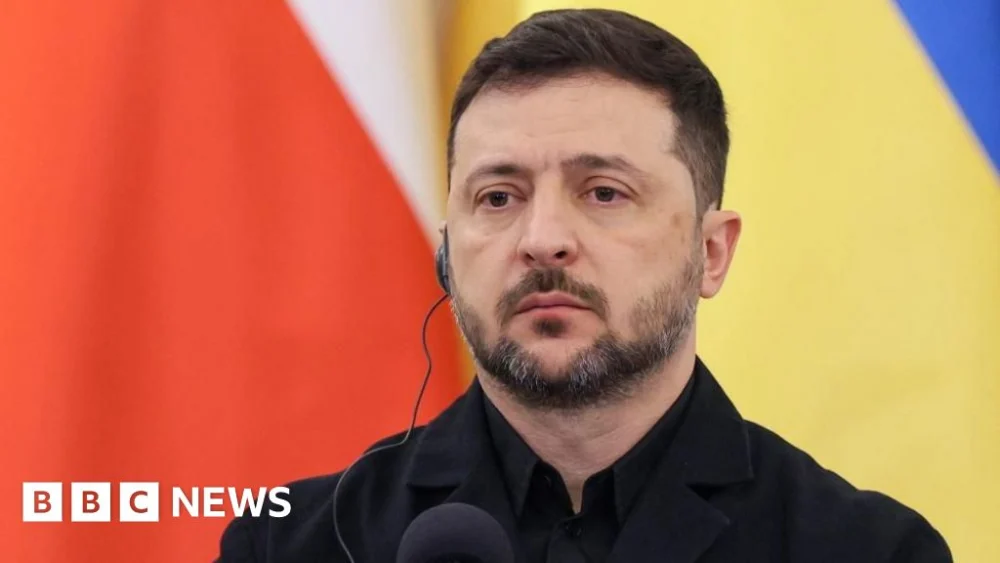
Ukrainian President Volodymyr Zelensky has vehemently refuted allegations from Moscow asserting that Kyiv orchestrated a large-scale drone assault targeting a presidential residence belonging to Vladimir Putin. This denial comes as Russia declared its intent to re-evaluate its stance in ongoing peace negotiations, a move Ukraine condemns as a cynical ploy to sabotage diplomatic efforts and justify continued aggression. The incident, unverified by independent sources, has injected renewed tension into the protracted conflict, raising concerns about potential escalatory actions and further complicating the already arduous path toward a resolution.
The accusations, first articulated by Russia’s Foreign Minister Sergei Lavrov, described a purported nighttime offensive involving 91 long-range unmanned aerial vehicles (UAVs) directed at a state residence situated in Russia’s northwestern Novgorod region. According to the Russian narrative, these drones were successfully intercepted and neutralized by Russian air defense systems, resulting in no reported casualties or damage to the presidential property. The specific location, often described as a more private retreat rather than a primary working residence, lends a particular symbolic weight to the alleged target, implying a direct challenge to the Russian leadership’s personal security. The Kremlin has notably withheld any verifiable evidence, such as radar tracks, drone debris, or photographic documentation of the alleged interception or impact sites, a point swiftly highlighted by Ukrainian officials.
In a sharp retort, President Zelensky dismissed the claims as "typical Russian lies," characterizing them as a deliberate disinformation tactic designed to furnish the Kremlin with a pretext for sustaining its destructive military campaign against Ukraine. He underscored a pattern of Russian fabrication, noting previous instances where Moscow has manufactured pretexts for aggression or to deflect international scrutiny. Zelensky’s immediate reaction signaled Kyiv’s understanding of the strategic implications behind such an accusation, particularly its potential to influence global perceptions and diplomatic leverage.
The Ukrainian leadership views these allegations as more than mere propaganda; they interpret them as a veiled threat and a precursor to intensified Russian military operations. President Zelensky explicitly warned that Russia’s pronouncements could foreshadow renewed missile or drone strikes on Ukraine’s capital, Kyiv, urging the populace to maintain heightened vigilance. He posited that Moscow’s leadership perceives any tangible progress towards a ceasefire or a negotiated settlement as a "failure" of its objectives, thus prompting the generation of fresh pretexts to perpetuate hostilities. This perspective aligns with a broader analytical understanding that Russia often seeks to disrupt international consensus or diplomatic momentum that does not align with its strategic interests.

Reinforcing the Ukrainian position, the nation’s foreign minister issued an appeal to the international community, urging global actors to exercise caution and refrain from validating what he termed Russia’s "false claims." The minister, Andrii Sybiha, emphasized the absence of any credible supporting evidence from Moscow, asserting unequivocally that "No such attack happened." This call for discernment highlights the ongoing information warfare that parallels the kinetic conflict, where narratives and counter-narratives vie for legitimacy on the international stage. The lack of independent verification for Russia’s claims has indeed led many international observers and intelligence agencies to treat the allegations with significant skepticism.
The timing of these unsubstantiated allegations is particularly salient. They emerged shortly after a series of high-level discussions between the United States and Ukraine in Florida, where President Zelensky engaged with former President Donald Trump regarding a revised framework for a potential peace plan to conclude the protracted conflict. These talks, aimed at exploring diplomatic avenues, reportedly touched upon sensitive issues ranging from security guarantees to territorial integrity. The Kremlin’s decision to air its drone attack claims immediately following these discussions suggests a deliberate attempt to undermine the burgeoning diplomatic momentum or to introduce new variables into the negotiation calculus.
Following his meeting with Trump, President Zelensky conveyed a guarded optimism, suggesting a "possibility to finish this war" by 2026, provided Ukraine continues to receive robust support from its international partners, particularly the United States. He explicitly articulated that victory for Ukraine would be unattainable without sustained American assistance, underscoring the critical role of Washington in the conflict’s trajectory. Zelensky also alluded to former President Trump’s "strong steps" concerning sanctions and economic measures, hinting at a belief that Trump’s approach could expedite a path to peace. However, this optimism was tempered by a deep-seated distrust of Russian President Vladimir Putin, whom Zelensky stated he does not believe genuinely desires peace or success for Ukraine. This fundamental lack of trust remains a formidable obstacle to any direct negotiations between the warring parties.
Further details from the US-Ukraine discussions indicated that Washington had offered Kyiv security guarantees spanning 15 years, an agreement that Zelensky indicated was "close to 95%" finalized. Such long-term security assurances are paramount for Ukraine, offering a critical framework for post-conflict stability and deterrence against future aggression. Despite these advancements, significant unresolved issues persist, notably concerning territorial disputes and the fate of the Russian-occupied Zaporizhzhia nuclear power plant, a site of continuous concern due to its strategic importance and the risks associated with military activity around it. The future status of Ukraine’s contested Donbas region, which Russia seeks to fully annex, remains another intractable point of contention. Russia currently exerts control over approximately 75% of the Donetsk region and nearly 99% of the neighboring Luhansk region, collectively forming the Donbas. Moscow has consistently rejected key provisions of various peace proposals that do not acknowledge its territorial gains or geopolitical demands.
Adding another layer of complexity to the diplomatic landscape, the White House confirmed a "positive call" between former President Trump and President Putin, which reportedly took place after the US-Ukraine talks. According to Yuri Ushakov, a Kremlin foreign policy aide, Putin informed Trump during this conversation that the alleged drone attack occurred "almost straight after what the US had considered to be a successful round of talks." Ushakov’s account claimed that Trump was "shocked by this information, he was angry and said he couldn’t believe such mad actions," further asserting that this incident "will no doubt affect the US approach to working with Zelensky."
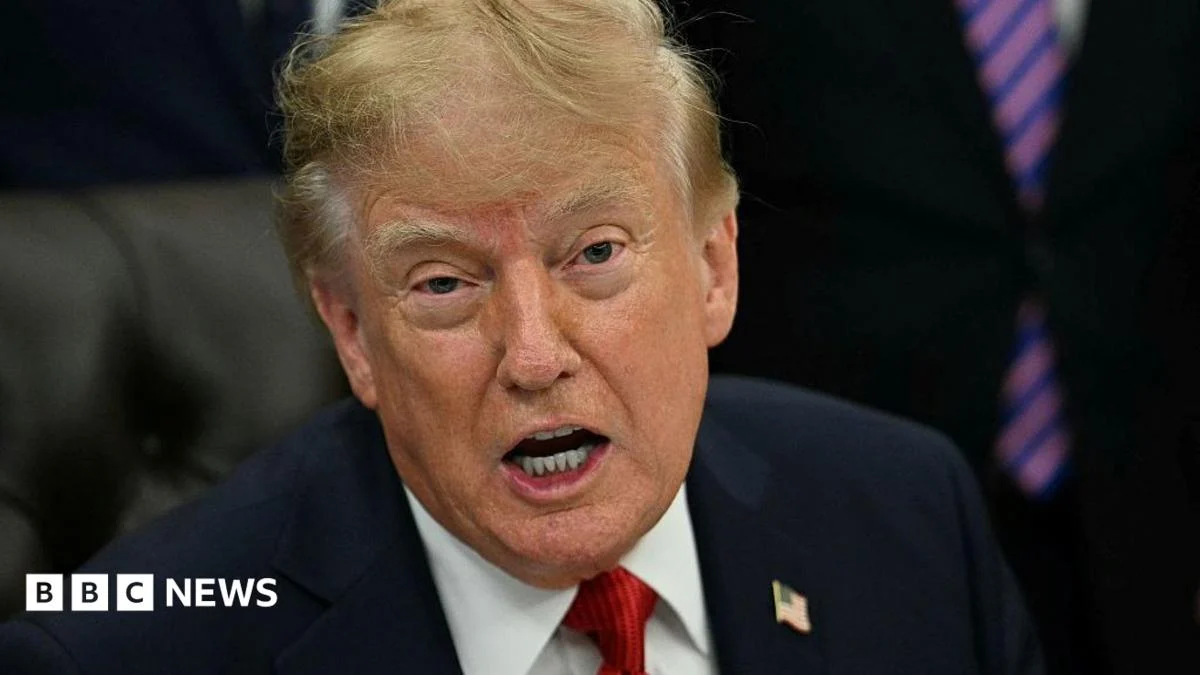
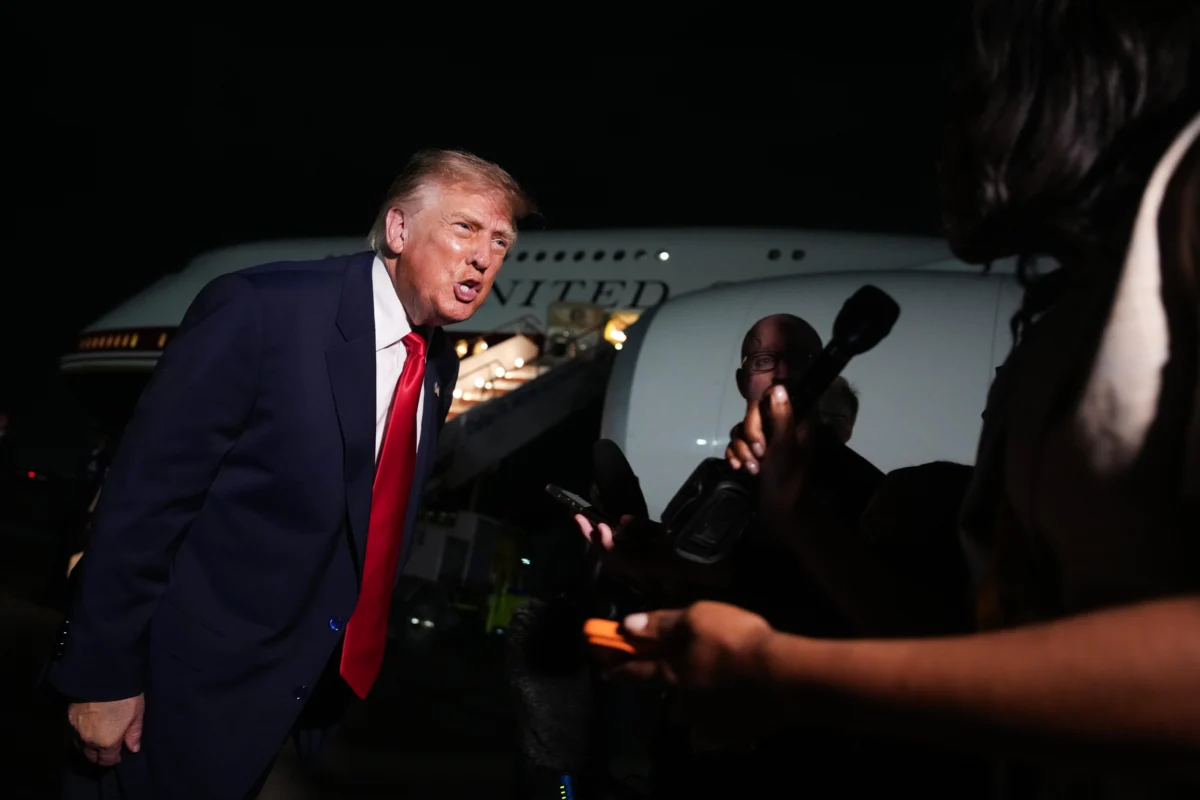
Former President Trump’s public statements regarding the incident were initially somewhat contradictory. During a subsequent press conference, he first appeared to be unaware of the alleged drone strike. However, he later clarified that Putin had indeed informed him about it, stating he was "very angry" at the news. When pressed on whether the US had seen any corroborating evidence for Russia’s claims, Trump’s response reflected the prevailing uncertainty: "Well we’ll find out. You’re saying maybe the attack didn’t take place – that’s possible too, I guess. But President Putin told me this morning it did." This equivocal stance from a prominent international figure underscores the challenges of verifying information in a conflict zone characterized by competing narratives and a pervasive information war.
From an analytical perspective, Russia’s allegations, regardless of their veracity, serve multiple strategic purposes. Firstly, they provide a potential justification for renewed or intensified military actions against Ukraine, portraying such actions as retaliatory rather than escalatory. Secondly, they aim to disrupt international diplomatic efforts, particularly those involving Western nations and Ukraine, by introducing an element of perceived Ukrainian aggression. Thirdly, by claiming an attack on a presidential residence, Russia attempts to evoke a sense of national vulnerability and rally domestic support for its ongoing military endeavors. The refusal to provide evidence, while undermining credibility internationally, often matters less for domestic audiences, where state-controlled media can shape perceptions effectively.
The broader context of drone warfare in this conflict is also significant. Both sides have extensively employed drones for reconnaissance, targeting, and direct strikes. The technical capability for long-range drone operations certainly exists, and Ukraine has demonstrated such capabilities in previous instances against targets within Russian territory. However, the claim of 91 drones being intercepted without any reported damage or public evidence raises questions about the scale and efficacy of such an alleged attack and the defensive response. Russian air defenses around strategic targets are generally considered robust, but such a high number of incoming drones would still represent a significant challenge.
Looking ahead, the immediate implications of this incident are likely to be felt in the diplomatic arena. Russia’s stated intent to "toughen" its negotiating stance suggests a hardening of its demands, potentially making any future peace talks even more difficult. This could manifest in increased insistence on territorial concessions, more stringent security guarantees from Ukraine, or a general reduction in flexibility. For Ukraine, the incident reinforces its long-held position that Russia cannot be trusted and that its rhetoric often masks aggressive intentions. The international community, particularly Western allies, will be closely watching for any escalatory actions from Moscow, while simultaneously navigating the complexities of supporting Ukraine’s defense while seeking avenues for a sustainable peace. The ongoing information battle will continue to shape perceptions and influence policy decisions, making the verification of facts and the judicious assessment of claims more critical than ever.


 Aura Kasih
 Safa Marwah
 Ayu Aulia