Ridwan Kamil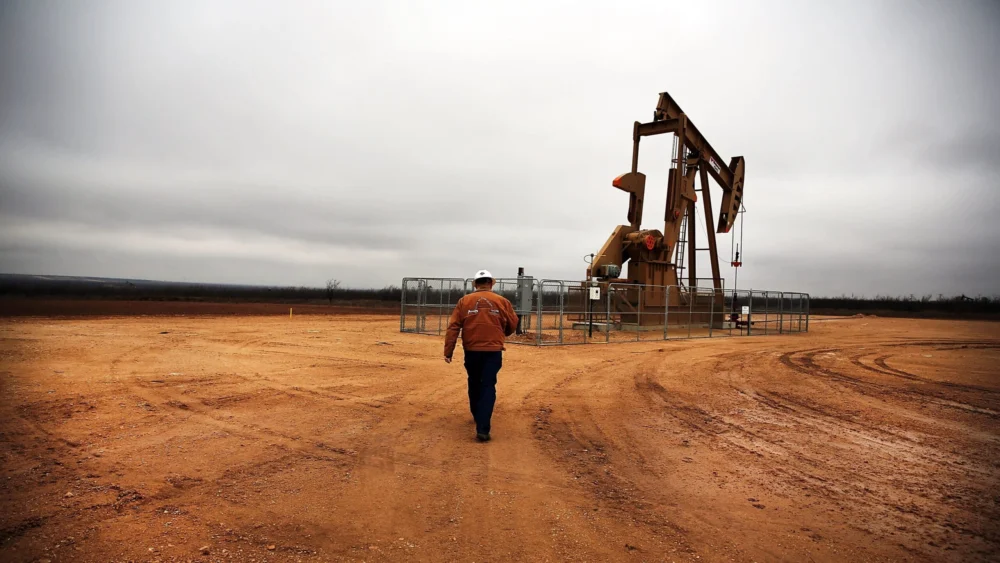
North American oil and gas executives have cautioned that the US shale industry, despite its remarkable growth, is ill-equipped to single-handedly compensate for significant supply shortfalls originating from the volatile Middle East, a region grappling with geopolitical instability and conflict.
The global energy landscape, already under considerable strain from persistent demand and the lingering effects of past supply chain disruptions, now faces a critical juncture. The escalating geopolitical tensions and outright conflicts in the Middle East, a cornerstone of global oil production, are casting a long shadow over energy security. While the United States, through the ingenuity and rapid expansion of its shale oil sector, has dramatically reshaped the energy market over the past decade, a closer examination reveals inherent limitations to its capacity to absorb the full impact of potential Middle Eastern supply disruptions. Industry leaders and market analysts are increasingly vocal about the fact that shale’s capabilities, while impressive, are not a panacea for the complex and multifaceted challenges posed by a war-torn region vital to global energy flows.
The shale revolution, characterized by hydraulic fracturing and horizontal drilling, has undeniably been a transformative force. It propelled the US from being a major energy importer to a leading global producer, fundamentally altering global energy trade dynamics and providing a crucial buffer against price volatility for many years. This technological leap allowed for the unlocking of vast reserves previously deemed uneconomical. The shale plays, particularly in formations like the Permian Basin, Eagle Ford, and Bakken, have become synonymous with American energy independence and a significant source of global supply. The sheer volume of oil and gas extracted from these unconventional reservoirs has been instrumental in meeting rising global energy needs, especially as demand continued its upward trajectory.
However, the very nature of shale production presents inherent constraints that differentiate it from the established, large-scale conventional oil fields of the Middle East. Shale wells, by design, exhibit a much steeper decline rate compared to their conventional counterparts. This means that once a shale well is brought online, its production output begins to fall off relatively quickly, necessitating continuous drilling and development to maintain or increase overall production levels. This constant need for new well investment and infrastructure development requires sustained capital expenditure and a robust operational framework. Unlike the vast, long-lived reservoirs of Saudi Arabia or the UAE, which can sustain consistent production for decades with relatively less intensive ongoing capital outlay per barrel, shale operations are more akin to a series of sprints requiring perpetual acceleration.
Furthermore, the pace at which the US shale industry can ramp up production is not limitless. While technological advancements have been swift, there are practical and logistical bottlenecks that cannot be overcome instantaneously. These include the availability of skilled labor, drilling rigs, fracking equipment, and, critically, the capacity of existing pipeline infrastructure to transport the increased volume of oil and gas to market. Expanding these elements takes time, investment, and regulatory approvals, none of which can be expedited without significant lead times. The industry operates within a complex ecosystem of service providers, and any sudden surge in demand for these services can lead to price spikes and operational delays, further tempering the speed of production increases.
The current geopolitical climate in the Middle East is characterized by a confluence of factors that threaten to significantly curtail oil supply. Regional conflicts, political instability, and the potential for direct military confrontations can lead to the disruption of production facilities, damage to export terminals, or the closure of vital shipping lanes, such as the Strait of Hormuz, through which a significant portion of the world’s oil passes. The ripple effects of such events are immediate and far-reaching, impacting global supply chains and exacerbating existing inflationary pressures. The intricate web of global energy markets means that any significant interruption in one major producing region inevitably leads to price hikes and supply concerns worldwide.
In this context, US shale producers are increasingly signaling that their ability to bridge any substantial gap left by Middle Eastern supply is limited. Their warnings are not a reflection of a lack of effort or innovation, but rather a realistic assessment of the physical and economic constraints of their operations. The capital-intensive nature of shale production, coupled with the inherent decline rates of its wells, means that sustained, large-scale increases in output require substantial and consistent investment. This investment is often dependent on favorable market conditions, including sustained high oil prices and investor confidence, which can be volatile.
Moreover, the environmental, social, and governance (ESG) considerations and investor sentiment surrounding the oil and gas industry, particularly in the US, add another layer of complexity. Many investors are increasingly focused on sustainability and may be hesitant to provide the long-term capital necessary for aggressive expansion of fossil fuel production, even in the face of supply crises. This can create a funding gap, making it challenging for shale companies to mobilize the resources needed for a rapid and substantial production surge. The industry is also subject to stringent environmental regulations, which, while necessary, can add to the cost and time involved in developing new fields or expanding existing ones.
The implications of this assessment are profound for global energy security. If the US shale industry cannot fully compensate for Middle Eastern supply disruptions, the world will likely face prolonged periods of higher energy prices and increased volatility. This will have a direct impact on consumers through higher fuel costs and on industries that rely heavily on energy, potentially leading to reduced economic growth and increased inflation. For nations heavily dependent on oil imports, the situation could create significant economic and political challenges.
Looking ahead, the situation underscores the urgent need for a diversified and resilient global energy strategy. While continued investment in and optimization of US shale production remains important, it cannot be viewed as the sole solution to global energy supply challenges. The focus must broaden to include accelerated development of renewable energy sources, enhanced energy efficiency measures, and strategic diversification of energy import sources. International cooperation and diplomatic efforts to de-escalate tensions in the Middle East are also paramount in ensuring the stability of global oil markets.
The current narrative from US shale bosses serves as a critical warning: the era of easily accessible and abundant energy is increasingly being challenged by geopolitical realities and the inherent limitations of even the most dynamic energy sectors. The world’s reliance on a single, albeit technologically advanced, production region to absorb shocks from another critical, but conflict-prone, region is a precarious strategy. The path forward demands a comprehensive and multifaceted approach to energy security, one that acknowledges the complexities of the global supply chain and the interconnectedness of geopolitical stability and energy markets. The capacity of the US shale industry to respond to a crisis is significant, but it is not infinite, and this reality must inform global energy policy and strategic planning. The focus needs to shift towards building a more robust and diversified energy future, one that is less susceptible to the vagaries of regional conflicts and the limitations of any single source of supply.


 Aura Kasih
 Safa Marwah
 Ayu Aulia