Ayu Aulia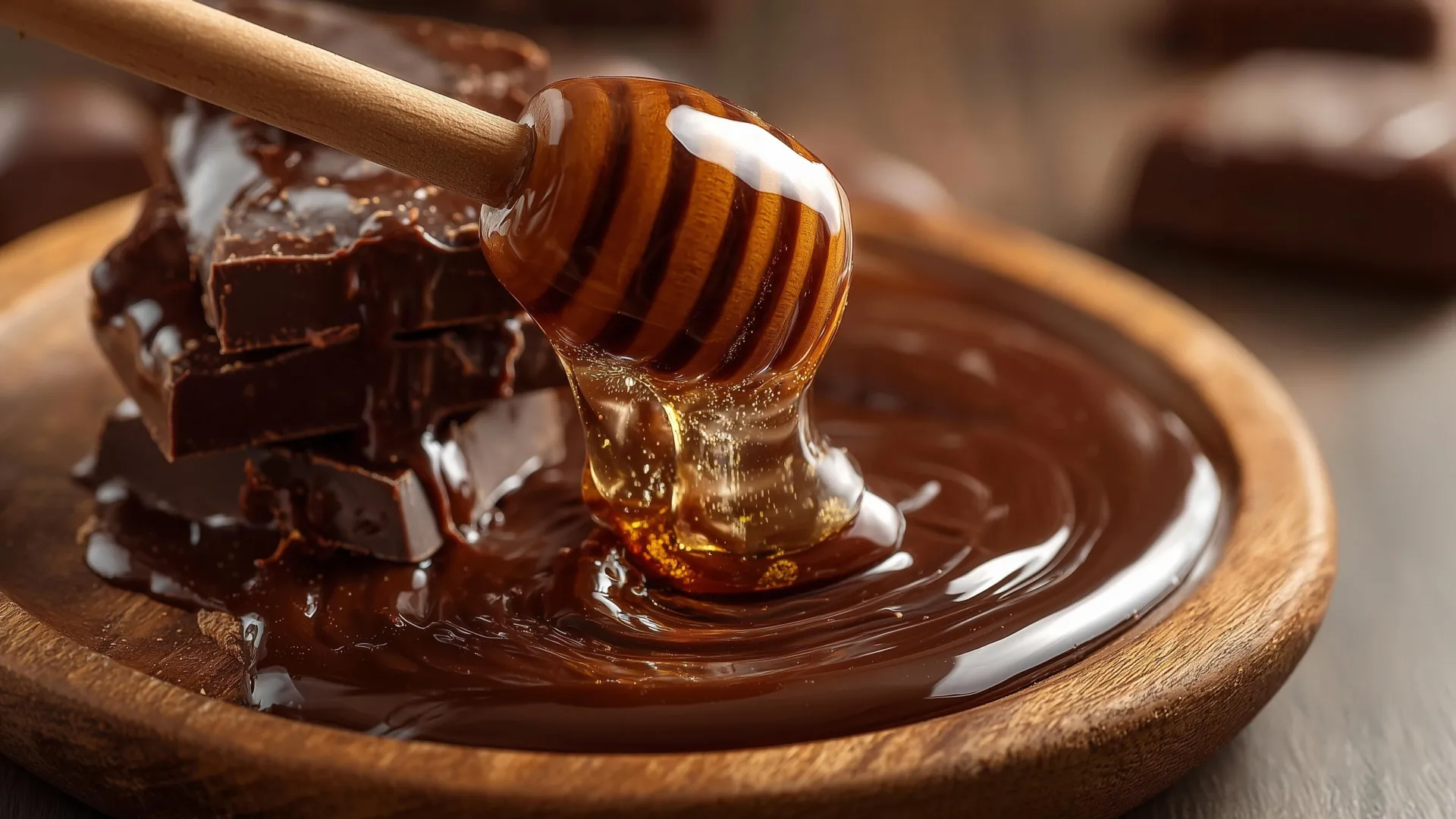
A groundbreaking scientific endeavor from a leading Brazilian university has culminated in the creation of a novel food product: a unique blend of native bee honey and cocoa bean shells, distinguished by its pronounced chocolate flavor and an array of surprising health benefits, offering potential applications in both nutrition and cosmetics.
The genesis of this innovation lies in the principles of circular economy and the valorization of agricultural byproducts. Historically, cocoa bean shells, a substantial waste stream from chocolate production, have largely been discarded, representing a missed opportunity for resource utilization. Researchers at the State University of Campinas (UNICAMP) in São Paulo, Brazil, have pioneered a method to extract valuable compounds from these shells, not through conventional industrial solvents, but by employing native bee honey as a natural, edible medium. This synergistic approach not only mitigates waste but also elevates the nutritional profile of the resulting product, merging the inherent goodness of honey with the rich bioactives of cocoa. The comprehensive findings, detailing this sustainable chemical process and its outcomes, have garnered significant attention, including a featured position on the cover of ACS Sustainable Chemistry & Engineering.
At the heart of the manufacturing process is an advanced technique known as ultrasound-assisted extraction. This method leverages high-frequency sound waves to facilitate the release of beneficial compounds from the cocoa shells into the honey matrix. Unlike traditional solvent extraction, which often involves harsh chemicals and extensive purification steps, the use of native bee honey as an edible solvent marks a significant departure, aligning with green chemistry principles. The ultrasound technology operates by generating microscopic cavitation bubbles within the liquid medium. These bubbles rapidly form and collapse, creating localized zones of intense pressure and temperature, effectively disrupting plant cell walls and enhancing the mass transfer of target compounds into the honey. This physical mechanism proves highly efficient, accelerating the extraction kinetics and improving the yield of desired phytochemicals without compromising the integrity of the honey or introducing undesirable residues.
The resulting chocolate-infused honey is not merely a culinary novelty; it is a potent functional food. Analysis of the product reveals a significant concentration of bioactive compounds, many of which are directly attributable to the cocoa shells. Prominently featured are theobromine and caffeine, well-documented stimulants and vasodilators known for their positive impact on cardiovascular health, cognitive function, and mood enhancement. Beyond these, the ultrasound-assisted process was found to augment the honey’s natural levels of phenolic compounds. These compounds are widely recognized for their robust antioxidant capabilities, which combat oxidative stress in the body by neutralizing free radicals, and their anti-inflammatory properties, contributing to overall cellular health and disease prevention. The combination of these diverse bioactives from both honey and cocoa creates a profile far more complex and potentially more beneficial than either ingredient in isolation, offering a natural and holistic approach to wellness.
From a sensory perspective, early evaluations have highlighted a distinct and appealing chocolate flavor. This characteristic varies in intensity and nuance depending on the precise ratio of honey to cocoa shells used in the formulation, suggesting a versatile product capable of adaptation to diverse palates and applications. Further comprehensive sensory analyses are slated to systematically map the taste, aroma, texture, and overall consumer acceptability, which will be crucial for market positioning. Felipe Sanchez Bragagnolo, the study’s lead author, emphasizes that while the flavor is a primary driver of public appeal, the underlying nutritional and cosmetic value, stemming from its rich bioactive composition, positions it as a product of multifaceted interest. This research, conducted during Bragagnolo’s postdoctoral tenure at UNICAMP’s Faculty of Applied Sciences (FCA) in Limeira, underscores the institution’s commitment to pioneering applied science.
The commercialization pathway for this innovative product is already being actively pursued. Collaborating with INOVA UNICAMP, the university’s innovation agency responsible for technology transfer, the research team is actively seeking commercial partners interested in licensing the patented method. This strategic move aims to facilitate the transition from laboratory prototype to a scalable, market-ready product, allowing for broad consumer access to this unique offering. The potential market segments are broad, spanning gourmet food, functional food supplements, and even the burgeoning natural cosmetics industry, where the antioxidant and anti-inflammatory properties could be highly valued.
Beyond its immediate product appeal, the project significantly contributes to sustainability and the broader discourse on biodiversity. The deliberate selection of honey from native Brazilian bees is a testament to this commitment. Unlike the widely commercialized honey from European bees (Apis mellifera), native bee honey typically exhibits a higher water content and lower viscosity, properties that render it a more effective natural solvent for extracting compounds from plant materials. This choice not only optimizes the extraction process but also champions the sustainable utilization of local biodiversity, highlighting the unique ecological value of Brazil’s indigenous pollinator species. The research specifically explored honey from five distinct Brazilian native bee species: borá (Tetragona clavipes), jataí (Tetragonisca angustula), mandaçaia (Melipona quadrifasciata), mandaguari (Scaptotrigona postica), and moça-branca (Frieseomelitta varia). Cocoa shells for the study were responsibly sourced from a unit of the São Paulo State Department of Agriculture and Supply, further emphasizing local resource integration.
The optimization phase of the extraction process initially focused on mandaguari honey due to its balanced water content and viscosity, serving as an ideal model. Once the parameters were refined, the standardized procedure was successfully applied to the other honey varieties, demonstrating the method’s adaptability. Bragagnolo highlights the inherent variability of honey, influenced by factors such as climate, storage conditions, and ambient temperature. This natural variability implies that the extraction process can be effectively adapted to different locally available honey types, fostering regional economic development and empowering diverse beekeeping communities, rather than being confined to a single honey source. This flexibility is a critical advantage for broader adoption and impact.
The robust green chemistry credentials of the ultrasound-assisted extraction method were formally evaluated using Path2Green software, a tool developed by a team led by Professor Mauricio Ariel Rostagno of FCA-UNICAMP, who also provided supervision for Bragagnolo’s postdoctoral research and coordinated the overarching project. This software assesses a process’s alignment with 12 core principles of green chemistry, encompassing aspects such as transportation efficiency, post-treatment requirements, purification complexity, and overall application impact. The use of a local, edible, and ready-to-use solvent emerged as a paramount advantage, significantly contributing to the process’s favorable environmental footprint. The product achieved a commendable score of +0.118 on a scale ranging from -1 to +1, affirming its status as an environmentally conscious innovation. This analytical rigor positions the development not just as a novel product, but as a paradigm for sustainable industrial practices. Rostagno envisions this technology empowering small businesses and cooperatives engaged in both cocoa and native bee honey production, enabling them to diversify their portfolios with high-value, differentiated products, potentially even catering to the discerning demands of haute cuisine.
Looking towards the future, the research trajectory includes a critical examination of the microbiological effects of ultrasound on honey. Just as ultrasound effectively breaks down plant cell walls to release compounds, it possesses the capability to disrupt the cell membranes of microorganisms, including bacteria that contribute to spoilage. This opens up a fascinating possibility: that exposure to ultrasound during the extraction process could naturally sterilize or significantly reduce the microbial load in native bee honey, thereby enhancing its stability and extending its shelf life without requiring traditional refrigeration, maturation, dehumidification, or pasteurization. Unlike honey from European bees, which often boasts natural shelf stability at room temperature, native bee honey typically requires more stringent storage conditions. Proving this hypothesis would represent a significant advancement in food preservation and a further testament to the multi-functional benefits of the ultrasound technique.
The researchers also intend to broaden the scope of native bee honey’s utility as a green solvent in ultrasound-assisted extraction. Future investigations will explore its application in processing other plant residues, unlocking the potential of a wider array of agricultural byproducts for novel food, cosmetic, or even pharmaceutical applications. This ambitious outlook underscores the transformative potential of this research, extending far beyond the initial chocolate-infused honey. The project has received substantial support through various scholarships and grants from FAPESP, a leading Brazilian research funding agency, underscoring the significant institutional investment in this innovative and impactful scientific endeavor. This sustained support highlights the long-term vision for developing sustainable technologies that benefit both industry and society.




 Lisa Mariana
 Aura Kasih
 Safa Marwah