Ridwan Kamil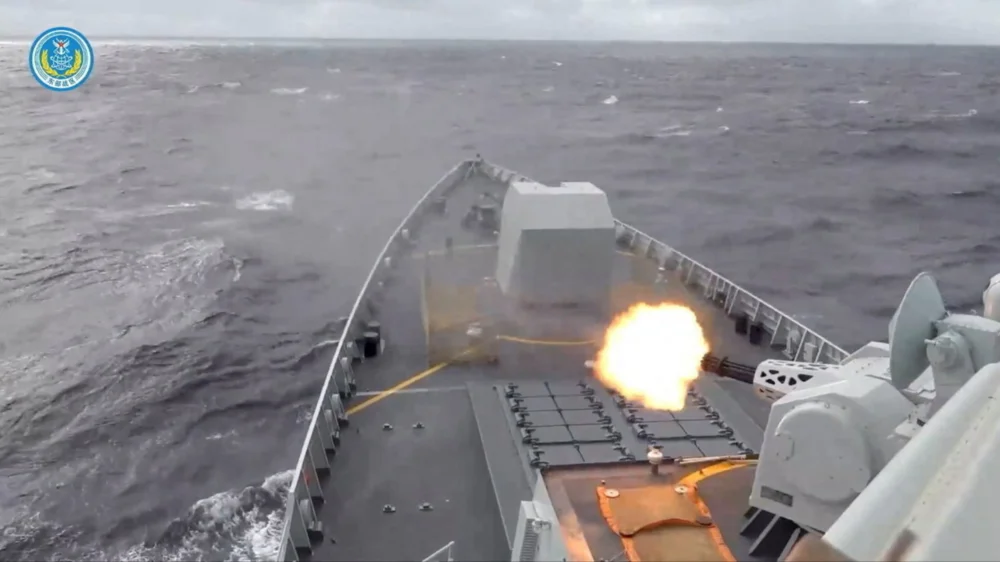
In a significant and assertive display of military power, the People’s Liberation Army (PLA) has initiated large-scale joint exercises, simulating a blockade and coordinated strikes around the self-governing island of Taiwan. This extensive military operation, unprecedented in its scope and proximity to Taiwan’s shores, underscores Beijing’s escalating commitment to its territorial claims and signals a potent warning to Taipei and its international partners. The drills, which commenced with an array of naval vessels and air force sorties, represent a dramatic intensification of regional military posturing and have ignited heightened concerns regarding the potential for miscalculation and escalation in the Indo-Pacific.
The commencement of these extensive military exercises marks a critical juncture in the ongoing geopolitical standoff between the People’s Republic of China (PRC) and Taiwan, officially the Republic of China (ROC). Beijing views Taiwan as a renegade province that must be unified with the mainland, by force if necessary, and has consistently opposed any moves that suggest formal independence for the island. The recent drills, characterized by their strategic encirclement of Taiwan, appear to be a direct response to perceived provocations and a deliberate attempt to underscore the PRC’s military capabilities and resolve. This aggressive posture aims to achieve several objectives simultaneously: to deter any formal declaration of independence by Taiwan, to test and refine the PLA’s joint operational capabilities in a complex, real-world scenario, and to signal to the international community, particularly the United States and its allies, the potential costs of continued support for Taiwan.
The scale and nature of the PLA’s maneuvers are particularly noteworthy. Reports indicate the involvement of a substantial portion of China’s military assets, including aircraft carriers, destroyers, frigates, bombers, fighter jets, and ballistic missile forces. These forces are reportedly operating in multiple maritime and air zones around Taiwan, effectively simulating a comprehensive cordon. This includes areas that were previously considered de facto boundaries, pushing the operational envelope of the PLA closer to Taiwan’s territorial waters and airspace than ever before. The exercises are designed to hone capabilities essential for a potential amphibious assault and naval blockade, encompassing reconnaissance, early warning, command and control, joint fire strikes, and joint logistical support. The inclusion of live-fire exercises, particularly with advanced missile systems, further amplifies the gravity of the situation, demonstrating a readiness to employ significant force.
The strategic objectives behind these drills are multifaceted. Firstly, they serve as a potent deterrent against any move towards formal Taiwanese independence. Beijing has repeatedly stated that it will not tolerate such a declaration, and these exercises are a clear, albeit coercive, demonstration of this resolve. By showcasing its ability to effectively isolate Taiwan militarily, China aims to discourage any actions that could be interpreted as crossing its red lines. Secondly, the exercises are a crucial training ground for the PLA, allowing for the integration of various branches of the military in complex, multi-domain operations. This is particularly important as China continues its ambitious military modernization program, seeking to transform its forces into a world-class fighting machine capable of projecting power far beyond its immediate borders. Practicing coordinated maneuvers around a densely populated island with a sophisticated defense network provides invaluable real-world experience that cannot be replicated in simulations alone.
Furthermore, these maneuvers are a clear message to the international community, especially the United States, which maintains a policy of strategic ambiguity regarding its defense commitments to Taiwan. Beijing is signaling its growing confidence and willingness to take decisive action, while simultaneously highlighting the potential risks associated with continued international support for Taiwan. The exercises are designed to underscore the PRC’s view that Taiwan is an internal affair and that external interference will be met with significant military consequences. This is a delicate geopolitical balancing act, where China seeks to assert its dominance without provoking an all-out conflict, yet also demonstrating that it is prepared to bear the costs of such a confrontation if its core interests are perceived to be threatened.
The implications of these drills are far-reaching and carry significant implications for regional stability. For Taiwan, the exercises represent an existential threat, forcing the island to constantly adapt and bolster its defenses while grappling with the psychological impact of being surrounded by an increasingly aggressive military. The economic disruption caused by potential disruptions to maritime trade routes through the Taiwan Strait, a vital global shipping artery, is also a significant concern. For the broader Indo-Pacific region, the heightened military activity increases the risk of accidental encounters between military assets, potentially leading to unintended escalation. The exercises also put pressure on regional powers to align their positions, further complicating diplomatic efforts and potentially leading to increased militarization as nations seek to secure their interests.
The United States, a key player in the region, faces a complex challenge. Washington’s commitment to Taiwan’s self-defense, coupled with its growing strategic competition with China, places it in a difficult position. The drills may be interpreted as a direct challenge to American influence and its security commitments in the Indo-Pacific. The US response will likely involve increased naval patrols, diplomatic engagements, and potentially further arms sales to Taiwan, all of which could further inflame tensions. The risk of miscalculation on both sides is heightened, as any perceived misstep or aggressive action could trigger a rapid and dangerous escalation.
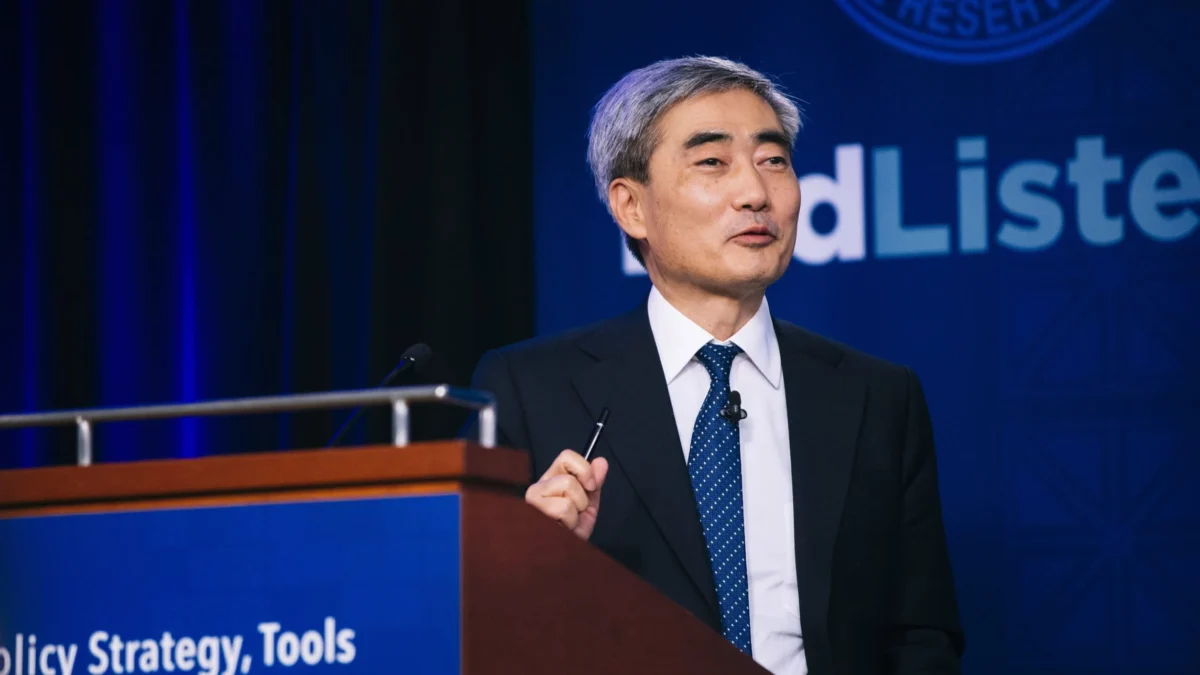
Expert analysis suggests that these exercises are not merely a show of force but a strategic signaling operation. Dr. Evelyn Chen, a senior fellow at the Institute for International Security Studies, notes, "Beijing is meticulously calibrating its actions to convey a message of resolve and capability without crossing an immediate threshold for outright conflict. The encirclement of Taiwan is a clear demonstration of a potential blockade scenario, a critical component of any invasion plan. It allows them to test logistics, coordination, and psychological impact while gathering intelligence on Taiwanese and US response patterns." She adds, "The timing and intensity of these drills are indicative of a long-term strategy to gradually increase pressure on Taiwan and to normalize a higher level of military activity in the region, thereby shifting the status quo incrementally."
The international community’s reaction has been largely one of concern and calls for de-escalation. However, the effectiveness of these appeals in deterring Beijing remains to be seen. The economic interdependence between China and many of its critics presents a significant constraint on the imposition of meaningful sanctions or other punitive measures. The current geopolitical climate, characterized by a multipolar world and a resurgence of great power competition, means that responses are likely to be complex and varied, with some nations opting for stronger condemnation while others pursue a more cautious approach to avoid alienating Beijing.
Looking ahead, the long-term implications of these intensified military drills are profound. They signal a potential shift towards a more confrontational posture in the Indo-Pacific, with a heightened risk of regional instability. The exercises may serve as a precursor to more aggressive actions, or they may be part of a sustained campaign of coercion aimed at achieving China’s unification goals through gradual pressure and the creation of a fait accompli. The international community will be closely watching how Taiwan, the United States, and other regional actors respond to this escalating challenge, as the decisions made in the coming months and years will have a significant bearing on the future of cross-Strait relations and the broader security architecture of the Indo-Pacific. The current trajectory suggests a period of heightened tension and strategic competition, where the potential for miscalculation remains a significant and unwelcome variable. The successful navigation of this complex geopolitical landscape will require careful diplomacy, clear communication, and a robust commitment to maintaining peace and stability in the region.

 Aura Kasih
 Safa Marwah
 Ayu Aulia