Aura Kasih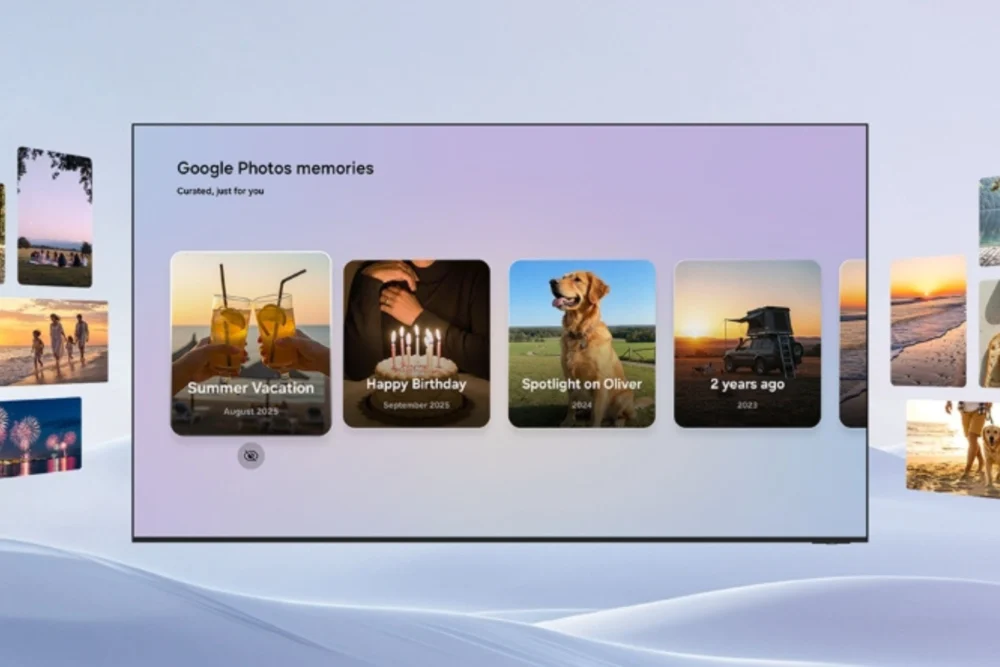
In a significant move poised to redefine how users interact with their personal visual archives, Google Photos is slated for a major expansion into the living room, with Samsung televisions set to be the first beneficiaries of this new integration. Beginning in 2026, Samsung’s extensive range of smart TVs will unlock the ability to seamlessly display and interact with the vast libraries of photos and videos meticulously curated within Google Photos, bringing cherished memories to life on the big screen in an unprecedented fashion.
This strategic partnership marks a pivotal moment in the evolution of smart TV functionality, moving beyond mere content consumption to embrace personal media management and interactive experiences. For years, Google Photos has served as a ubiquitous cloud-based solution for smartphone users to store, organize, and access their photographic memories. However, its presence has largely been confined to mobile devices and web browsers, leaving a significant gap in its accessibility within the central hub of the modern home – the television. Samsung’s initiative aims to bridge this divide, promising an immersive and elevated viewing experience for personal content.
The initial phase of this integration, slated for March 2026, will introduce a dedicated "Memories" feature to Samsung’s Tizen OS-powered televisions. This feature is designed to intelligently curate and present users with collections of their most significant and evocative photos and videos, transforming passive viewing into an active engagement with personal history. This curated slideshow experience will be exclusive to Samsung TVs for an initial six-month period, highlighting the depth of Samsung’s commitment to being at the forefront of this new wave of smart TV innovation. The promise of showcasing these digital mementos on a large, high-definition display offers a compelling new dimension to reliving important life events, from vacations and celebrations to everyday moments.
Following this initial rollout, the integration will expand significantly in the latter half of 2026, introducing more sophisticated functionalities. Google Photos’ powerful search capabilities will become accessible directly through the TV interface, allowing users to effortlessly locate specific images or videos based on keywords, dates, or even identified people and places. This democratizes the access to vast digital photo libraries, eliminating the need to fumble with smaller screens or complex search queries.
Crucially, this expansion will also bring Google’s advanced generative AI capabilities to the television screen. The "Create with AI" feature, built upon the foundation of Google’s Nano Banana technology, will empower users to generate entirely new visual content and enhance existing media. This includes access to AI image generation and editing tools such as Google’s Remix and Photo to Video capabilities. Imagine transforming a series of still images from a memorable trip into a dynamic video montage, or using AI to create personalized visual templates for special occasions, all without leaving the comfort of the living room. The "Personalized Results" functionality will further enhance this by allowing users to generate slideshows based on thematic content, such as "ocean," "hiking," or "Paris," dynamically pulling relevant images from their Google Photos library. This level of personalized content creation and curation on a television platform represents a significant leap forward in user engagement and creative expression.
The implications of this integration extend far beyond mere convenience. It signals a broader trend towards the television evolving into a more personalized and interactive digital canvas. For consumers, this means their television is no longer just a portal for broadcast or streaming entertainment, but a dynamic extension of their digital lives. The ability to easily share and relive memories on a large screen can foster deeper connections with family and friends, transforming viewing sessions into shared nostalgic experiences.

From a technological standpoint, this partnership underscores the growing importance of interoperability between different ecosystems. Google’s decision to partner with a leading TV manufacturer like Samsung, rather than solely relying on its own hardware or platforms, suggests a strategic focus on widespread adoption. While Google TV exists, the ubiquity of Samsung’s Tizen OS across a vast global market offers a more immediate path to reaching a massive user base. The initial exclusivity agreement for the "Memories" feature also points to a carefully orchestrated rollout strategy, allowing Samsung to establish a strong foothold before wider distribution to other TV manufacturers. This phased approach enables meticulous testing, refinement, and user feedback collection, ensuring a robust and polished final product.
The underlying technological architecture enabling this integration likely involves a combination of cloud-based data synchronization and optimized rendering for television displays. Google Photos’ robust infrastructure for storing and managing petabytes of user data is well-established. The challenge, and Samsung’s achievement, lies in translating this into a fluid and intuitive user interface that performs seamlessly on a television. This requires sophisticated software development, efficient data streaming protocols, and hardware-level optimizations to ensure smooth playback of high-resolution images and videos, even when generated or manipulated by AI.
Expert analysis suggests that this move by Google Photos and Samsung could catalyze further innovation in the smart TV market. As consumers become accustomed to accessing and interacting with their personal digital content on the big screen, the demand for similar features from other manufacturers is likely to surge. This could lead to an arms race in the development of integrated photo and video management solutions, potentially incorporating even more advanced AI features, augmented reality overlays, and social sharing capabilities directly from the television.
Furthermore, the integration of generative AI tools into the living room experience opens up a new frontier for creativity and personalization. Beyond simply displaying existing memories, users will be empowered to actively create new ones, crafting visual narratives and digital art pieces that can be shared and enjoyed within the home environment. This has the potential to democratize content creation, making sophisticated visual editing and generation accessible to a broader audience without the need for specialized software or extensive technical knowledge.
The long-term implications for Google could be substantial. By embedding its services more deeply into the home entertainment ecosystem, Google strengthens its position in the connected home landscape, potentially driving engagement with other Google services and its advertising platform. For Samsung, this partnership enhances its competitive edge, offering a compelling differentiator in the increasingly crowded smart TV market. It reinforces Samsung’s commitment to providing a comprehensive and integrated user experience, positioning its televisions as more than just display devices, but as central hubs for digital life.
The successful implementation of this integration will hinge on several factors. User privacy and data security will remain paramount, requiring transparent communication and robust safeguards to protect personal memories. The intuitive nature of the user interface will also be critical; the transition from mobile to TV should be seamless and effortless, requiring minimal technical expertise. The performance and reliability of the AI features will also play a significant role in user adoption and satisfaction.
In conclusion, the forthcoming integration of Google Photos into Samsung televisions represents a significant milestone in the evolution of the smart home. By bringing the vast repository of personal memories and the power of AI-driven content creation to the living room screen, this collaboration promises to enrich user experiences, foster deeper connections, and redefine the role of the television in the digital age. The year 2026 is poised to be a landmark year for how we interact with our most cherished visual moments, transforming passive viewing into an active, immersive, and deeply personal experience.




 Safa Marwah
 Ayu Aulia