Ridwan Kamil
Moscow has voiced strong criticism, asserting that Kyiv is actively sidestepping opportunities for substantive peace negotiations, a claim made concurrently with Ukrainian President Volodymyr Zelenskyy’s preparations for a high-profile meeting with former U.S. President Donald Trump. This juxtaposition of diplomatic pronouncements and potential high-level engagements underscores the complex and often contradictory dynamics shaping the ongoing conflict.
The Russian Federation’s Ministry of Foreign Affairs, through its official spokespersons, has repeatedly articulated a position suggesting that Ukraine, under President Zelenskyy’s leadership, has established conditions for dialogue that are perceived as deliberately unachievable by Moscow. These stated prerequisites, according to Russian assessments, include demands for territorial concessions and reparations that go beyond what Russia deems acceptable for any potential settlement. The Kremlin’s narrative emphasizes a consistent willingness on its part to engage in diplomatic resolution, while simultaneously framing Ukraine’s stance as intransigent and serving to prolong the hostilities. This official Russian posture aims to project an image of a constructive party seeking peace, thereby attempting to shift any perceived blame for the stalled diplomatic efforts onto the Ukrainian side and, by extension, its international backers.
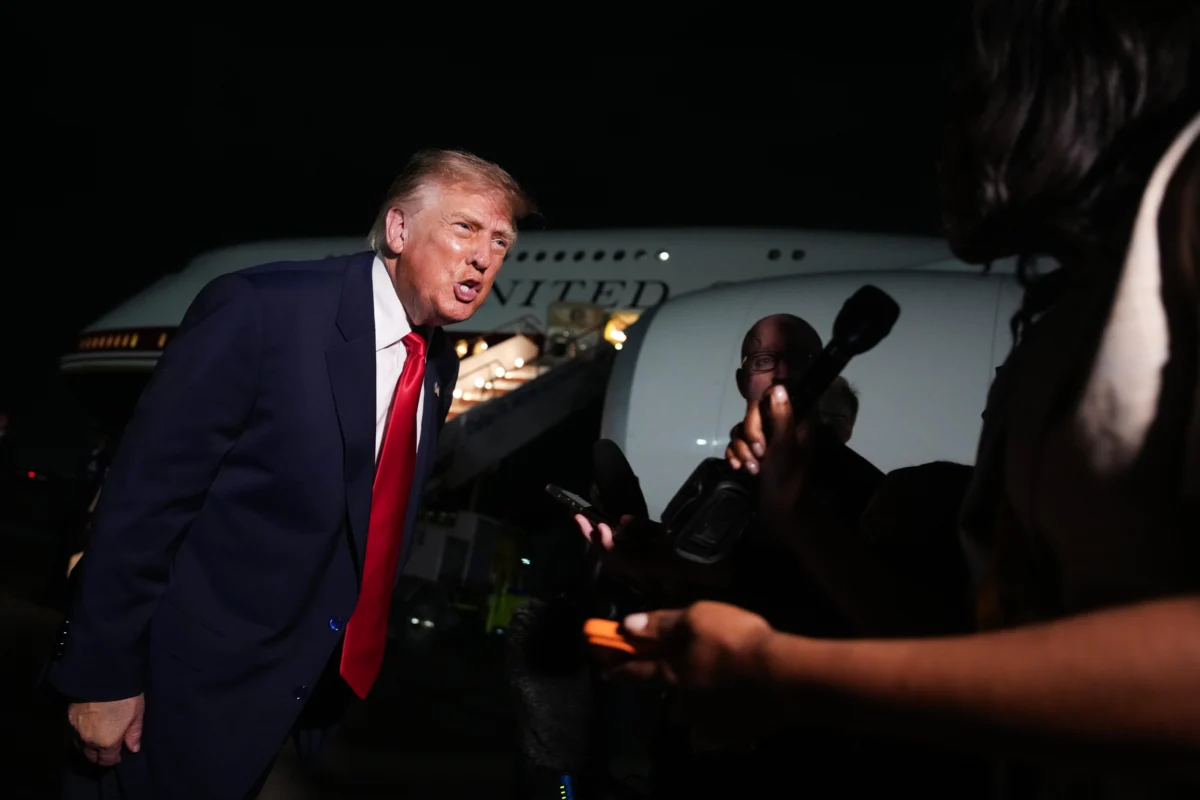
In parallel, the news of President Zelenskyy’s impending engagement with Donald Trump has generated considerable international attention. While the specific agenda for such a meeting remains largely undisclosed, the very prospect of a discussion between the Ukrainian leader and a figure with significant influence within American political circles, particularly given Trump’s past pronouncements on international relations and his often unconventional approach to diplomacy, carries substantial weight. Trump, having previously expressed a desire to resolve the conflict swiftly, represents a potentially disruptive, yet possibly influential, voice in the broader geopolitical landscape surrounding Ukraine. His interactions with Ukrainian leadership, especially at a time when official diplomatic channels between Kyiv and Moscow are effectively frozen, could introduce new dynamics or re-energize existing ones, depending on the tenor and outcomes of their discussions. The Kremlin’s commentary on Ukraine’s supposed evasion of talks can be partly interpreted as a preemptive measure, aimed at framing any potential diplomatic overtures from Trump’s side as misguided if they do not align with Russia’s preferred negotiating framework.
The historical context of the conflict provides a critical backdrop to these current diplomatic machinations. Since the full-scale invasion in February 2022, direct, high-level negotiations between Russia and Ukraine have been sporadic and largely unproductive. Initial rounds of talks in the early stages of the war yielded little concrete progress, and subsequent attempts at mediation by various international actors have also failed to bridge the fundamental divide between the two nations’ objectives. Ukraine’s unwavering commitment to restoring its territorial integrity, including Crimea and the Donbas regions, stands in stark opposition to Russia’s annexation claims and its broader strategic aims in the region. This fundamental irreconcilability of core demands has created a diplomatic stalemate, exacerbated by the ongoing military operations and the profound human cost of the conflict.
Russia’s diplomatic strategy, as observed over the past several years, has often involved leveraging international opinion and projecting a narrative of victimhood or justification for its actions. By portraying Ukraine as unwilling to negotiate in good faith, Moscow seeks to undermine international support for Kyiv and to create an impression of a protracted conflict fueled by Ukrainian obstinacy rather than Russian aggression. This narrative is often amplified through state-controlled media and diplomatic channels, aiming to shape perceptions both domestically and internationally. The effectiveness of this strategy is, of course, contingent on various factors, including the credibility of the claims and the counter-narratives presented by Ukraine and its allies.
The potential meeting between Zelenskyy and Trump introduces an element of unpredictability. Trump’s presidency was characterized by a transactional approach to foreign policy, often prioritizing perceived national interests and employing direct, sometimes unconventional, engagement with world leaders. His past statements suggesting he could broker a peace deal within 24 hours, while often dismissed as unrealistic, indicate a potential willingness to engage directly with both sides, possibly bypassing traditional diplomatic protocols. If such a meeting were to occur, it could offer a platform for Zelenskyy to articulate Ukraine’s position directly to a powerful figure who may be receptive to his concerns, or it could present an opportunity for Trump to exert pressure on both sides to consider alternative pathways to de-escalation. However, the implications of any such engagement remain speculative, as the actual impact would depend heavily on Trump’s specific objectives and his ability to influence either party.
From an analytical perspective, Russia’s accusations of Ukraine evading talks serve multiple purposes. Firstly, it acts as a rhetorical tool to deflect criticism regarding the lack of progress towards a peaceful resolution, placing the onus on Kyiv. Secondly, it may be intended to sow division among Ukraine’s international partners, suggesting that Ukraine is an unreliable or unreasonable negotiating partner. Thirdly, it could be a strategic maneuver to create leverage, implying that Russia is open to dialogue while setting high barriers that Ukraine is expected to reject, thus justifying continued military action or a protracted stalemate. The emphasis on "conditions" for talks is a common diplomatic tactic, where a party might stipulate terms that are either non-negotiable or extremely difficult for the other side to accept, thereby maintaining a facade of openness while effectively blocking substantive engagement.
The Ukrainian government, on its part, has consistently maintained that any peace settlement must be based on respect for its sovereignty and territorial integrity, as enshrined in international law. President Zelenskyy has outlined a peace formula that includes the withdrawal of Russian troops, the restoration of Ukraine’s borders, and accountability for war crimes. These demands, while presented as non-negotiable by Kyiv, are precisely the points of contention that Moscow finds unacceptable. Ukraine’s stance is bolstered by significant international support, including military and financial aid, which reinforces its resolve to resist Russian aggression and to pursue a comprehensive peace that upholds its national interests.
The intersection of these diplomatic dynamics with the planned meeting between Zelenskyy and Trump is noteworthy. Trump, as a former president and a prominent figure within the Republican party, possesses a unique capacity to influence American foreign policy discourse. If he were to engage in discussions with Zelenskyy, the outcomes could have ramifications for the future of U.S. support for Ukraine, as well as for broader international efforts to resolve the conflict. Russia’s public pronouncements in this context may be an attempt to preemptively shape the narrative surrounding such a meeting, potentially casting any agreements or proposals that do not align with Russian interests as illegitimate or the product of undue influence.
The broader geopolitical implications of these events are significant. The ongoing conflict in Ukraine is not merely a bilateral dispute; it is a major international crisis with far-reaching consequences for global security, energy markets, and international law. The efficacy of diplomatic solutions, or the lack thereof, has a direct impact on the stability of the European continent and the broader international order. Any perceived breakdown in diplomatic avenues, whether real or manufactured, carries the risk of further entrenching the conflict and prolonging the suffering of millions.
Looking ahead, the trajectory of the conflict will likely continue to be shaped by a complex interplay of military developments, diplomatic initiatives, and geopolitical alignments. Russia’s assertion of Ukraine’s unwillingness to negotiate, coupled with Zelenskyy’s engagement with influential international figures, highlights the multifaceted nature of the peace process. The success of any future diplomatic endeavors will depend on the ability of all parties involved to find common ground, or at least to engage in a constructive dialogue that acknowledges the fundamental security concerns and aspirations of all involved. However, as long as the core issues of territorial integrity and sovereignty remain irreconcilable, the path to a lasting peace is likely to be arduous and fraught with challenges. The international community will be closely observing how these diplomatic currents unfold and whether they can ultimately contribute to de-escalation and a sustainable resolution to the ongoing hostilities.


 Aura Kasih
 Safa Marwah
 Ayu Aulia