Aura Kasih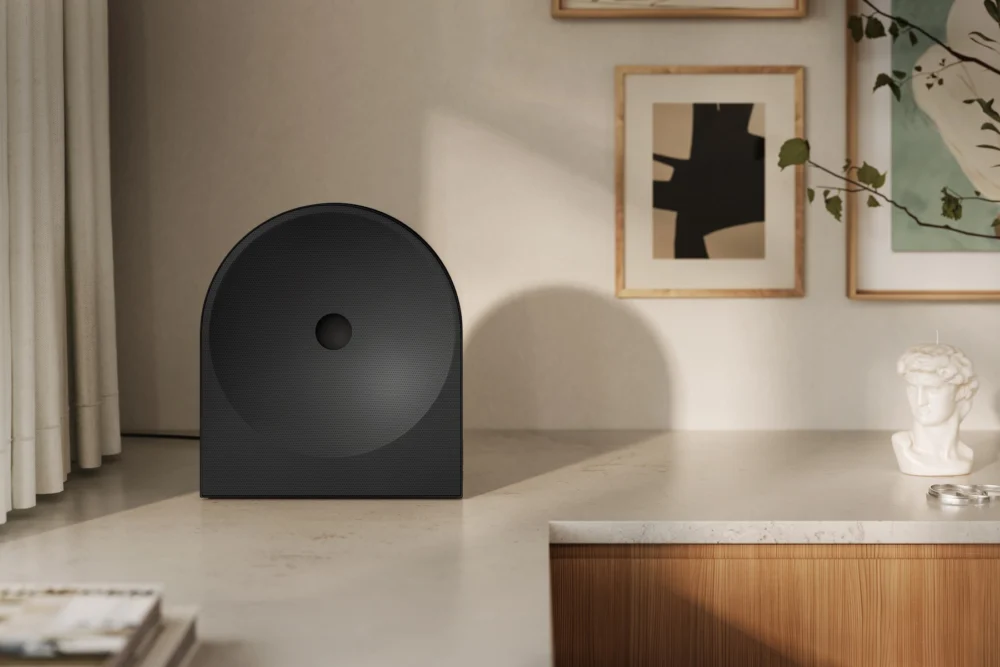
Samsung is poised to redefine the intersection of home entertainment and interior design with the unveiling of its forthcoming Music Studio line of wireless speakers, slated for debut at CES 2026, a collection that prioritizes sophisticated aesthetics and rich content integration to seamlessly blend into the modern living space.
For years, Samsung has strategically positioned its consumer electronics not merely as functional devices, but as integral components of a home’s aesthetic, transforming everyday objects into canvases for personal expression. The Frame TV stands as a prime example of this philosophy, allowing users to display curated digital art when not in use, effectively dissolving the visual boundary between technology and décor. This trend continued with the introduction of the Music Frame, a speaker ingeniously disguised as a picture frame, which garnered significant attention at CES 2024. Now, Samsung is taking this concept a significant step further, moving beyond camouflage to a deliberate fusion of audio technology and artistic design. Collaborating with renowned designer Erwan Bouroullec, Samsung’s new Music Studio speakers are conceptualized and engineered to be, in themselves, pieces of art, embodying a sophisticated design language that complements, rather than competes with, surrounding décor.
The Music Studio line draws its foundational design principles from what Samsung describes as the "timeless dot concept," an abstract yet pervasive motif found across various forms of musical notation and artistic expression. This conceptual framework lends a unique visual identity to the speakers, suggesting a harmony between the visual and auditory experiences they provide. The Music Studio 5, a more compact offering within the collection, exemplifies this principle. Its design language evokes the fermata, a musical symbol indicating a pause or extension of a note, symbolizing a moment of deliberate resonance and presence. Internally, the Music Studio 5 is equipped with a robust 4-inch woofer for deep, resonant bass, complemented by dual tweeters strategically integrated with built-in waveguides. This configuration is engineered to deliver a nuanced and immersive soundstage, capable of reproducing a wide spectrum of audio frequencies with clarity and precision. The waveguide technology, in particular, plays a crucial role in directing sound, optimizing dispersion for a more consistent listening experience across various room placements.
Stepping up in scale and capability, the Music Studio 7 presents a more comprehensive audio solution. This larger unit operates as a 3.1.1-channel speaker system, offering a sophisticated audio playback experience out of the box. Its versatility extends to multiple deployment scenarios: it can function as a standalone powerhouse, be paired with an identical unit to create a more expansive stereo soundscape, or be seamlessly integrated into a broader Samsung home theater ecosystem. This integration is facilitated through Samsung’s proprietary Q-Symphony technology, which allows the Music Studio 7 to synchronize with compatible Samsung Wi-Fi speakers, soundbars, and televisions. This orchestration ensures that the audio from all connected Samsung devices works in concert, creating a cohesive and immersive surround sound environment that elevates both music playback and cinematic experiences. The Music Studio 7 is also engineered to handle high-resolution audio, supporting playback up to 24-bit/96kHz, a specification that appeals to audiophiles seeking the utmost fidelity in their audio reproduction.
A notable advancement across both the Music Studio 5 and 7 models is the implementation of AI Dynamic Bass Control. This intelligent feature actively analyzes audio content in real-time to optimize bass response. By dynamically adjusting the low-frequency output, the AI system ensures that bass remains impactful and clear without becoming muddy or overpowering, even at lower listening volumes. This technology is particularly significant as it addresses a common challenge in speaker design: achieving deep, satisfying bass without sacrificing overall audio clarity or requiring excessively large speaker enclosures. The integration of AI suggests a forward-thinking approach to audio tuning, aiming to provide an adaptive and superior listening experience that can cater to diverse musical genres and user preferences.

The proliferation of aesthetically driven audio devices in the consumer market has, at times, raised concerns about potential compromises in sound quality. Manufacturers have occasionally prioritized visual appeal over the fundamental performance metrics that define a truly exceptional speaker. However, Samsung’s recent trajectory in audio engineering suggests a deliberate effort to bridge this gap. Over the past several years, the company has demonstrably invested in enhancing its audio tuning capabilities, evidenced by the critical reception of its soundbars and other audio products. This commitment to sonic excellence, coupled with the sophisticated design language of the Music Studio line, fosters optimism regarding the actual audio performance of these new wireless speakers. The intention appears to be to deliver not just a beautiful object, but a device that genuinely enriches the listening experience through high-fidelity sound reproduction.
The strategic positioning of the Music Studio line at CES 2026 underscores Samsung’s ambition to capture a segment of the market that values both cutting-edge technology and refined interior design. As consumers increasingly seek to integrate technology seamlessly into their living environments, products that offer a dual benefit – superior functionality and aesthetic harmony – are likely to gain significant traction. The collaboration with Erwan Bouroullec, a designer with a proven track record of creating elegant and enduring pieces, lends considerable credibility to Samsung’s artistic aspirations for this new speaker range. Bouroullec’s signature style, often characterized by organic forms and a minimalist sensibility, is expected to translate into speakers that are not only functional but also serve as decorative accents, enhancing the overall ambiance of a room.
Beyond the immediate aesthetic and audio specifications, the Music Studio line represents Samsung’s ongoing strategy to build a cohesive and interconnected smart home ecosystem. By ensuring compatibility with existing Samsung audio and display technologies, such as Q-Symphony, the company is encouraging users to invest further in its product suite. This creates a synergistic effect where each component enhances the performance and user experience of the others, fostering customer loyalty and driving continued adoption of Samsung’s connected home solutions. The emphasis on wireless connectivity further reinforces this seamless integration, minimizing cable clutter and allowing for greater placement flexibility, which is paramount for achieving optimal acoustics and maintaining the desired interior design.
The inclusion of AI-driven features, such as the Dynamic Bass Control, also points towards a broader trend in consumer electronics: the increasing role of artificial intelligence in enhancing user experience. As AI technologies mature, their application in optimizing device performance, personalizing settings, and automating complex processes is becoming more prevalent. For audio devices, AI can offer adaptive sound profiles, intelligent noise cancellation, and even predictive audio adjustments based on ambient conditions or user behavior. This suggests that the Music Studio speakers are not merely static playback devices, but intelligent components of the smart home that can learn and adapt to provide a continuously improving audio experience.
Looking ahead, the success of the Music Studio line could set a new benchmark for how audio products are perceived and integrated into residential spaces. If Samsung can successfully deliver on both the artistic promise and the sonic fidelity, it may encourage competitors to follow suit, leading to a wave of more beautifully designed and technologically advanced audio solutions. The emphasis on content integration, while not detailed in the initial announcement, also hints at future possibilities. This could involve deeper integration with streaming services, personalized audio content curation, or even interactive audio experiences that leverage the speakers’ smart capabilities. The convergence of art, audio technology, and intelligent features positions the Music Studio speakers as a significant development in the evolution of home entertainment.




 Safa Marwah
 Ayu Aulia