Ridwan Kamil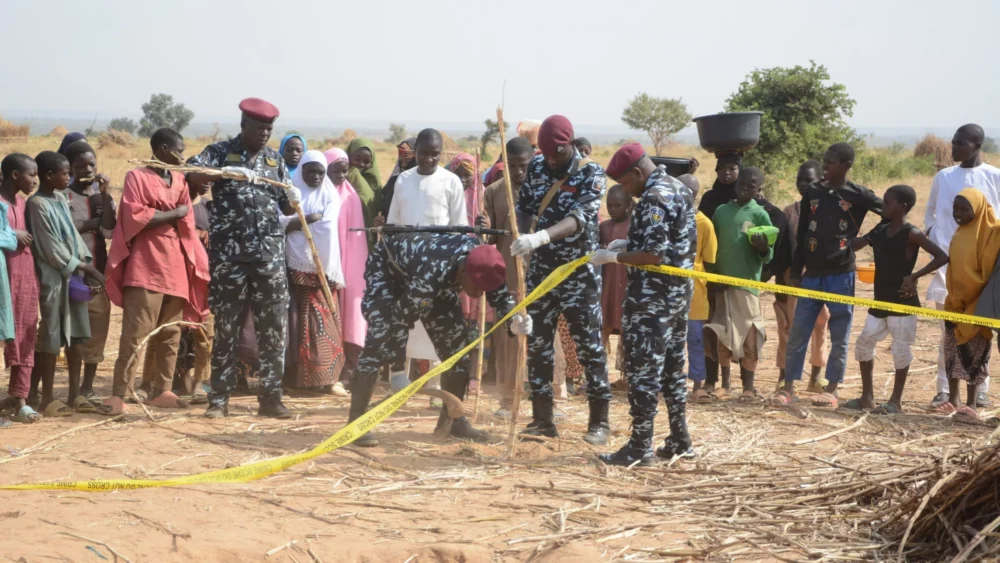
A profound sense of bewilderment has gripped Nigeria following reports of targeted strikes in the Sokoto region, leaving observers and officials alike questioning the strategic objectives and geopolitical underpinnings of such actions. This perplexing development, characterized by a lack of clear justification and an absence of readily available information, has ignited a critical discourse regarding the implications for regional stability, national security, and international relations.
The initial reports, sparse and often contradictory, painted a disquieting picture of aerial activity or kinetic operations in and around Sokoto, a significant state in northwestern Nigeria known for its historical importance and its current position on the front lines of complex security challenges. The absence of any official pronouncements or credible explanations from the alleged perpetrators, or indeed from the Nigerian government in its capacity as the sovereign authority, has amplified the mystery. This information vacuum has, in turn, fueled speculation, ranging from misidentification of targets to clandestine operations with opaque agendas.
To comprehend the potential ramifications of such alleged actions, it is imperative to contextualize the prevailing security landscape in Sokoto and the broader Sahelian region. Nigeria’s northwest, including Sokoto, has been grappling with a multifaceted insurgency for years. This conflict is characterized by the activities of heavily armed criminal gangs, often referred to as bandits, who engage in widespread banditry, kidnapping for ransom, cattle rustling, and attacks on communities. These groups, while often motivated by financial gain, have also demonstrated an increasing capacity for organized violence, posing a significant threat to civilian populations and state authority.
Furthermore, the region shares porous borders with Niger and other West African nations, creating a complex operational environment where non-state armed actors can move, regroup, and procure resources with relative ease. The presence of extremist groups, though less prominent in Sokoto compared to other parts of the Sahel, cannot be entirely discounted, adding another layer of complexity to the security equation. Against this backdrop, any external kinetic intervention, whether overt or covert, carries the potential for unintended consequences, including the exacerbation of local grievances, the displacement of populations, and the destabilization of already fragile social fabrics.
The question of "why Sokoto?" becomes even more pertinent when considering the potential actors and their perceived interests. If the alleged strikes are attributed to foreign powers, the rationale becomes a subject of intense geopolitical analysis. Could there be an underlying concern with the movement of illicit materials, the presence of individuals on international watchlists, or the perceived nexus between regional instability and broader global security threats? The United States, for instance, has been involved in counter-terrorism operations and security assistance across Africa, but any direct kinetic action in Nigeria would typically be preceded by extensive diplomatic engagement and a clear strategic imperative, none of which appears to have been publicly articulated in relation to Sokoto. The possibility of other state or non-state actors operating with their own distinct agendas, however, cannot be entirely ruled out, further complicating the diagnostic effort.
The lack of transparency surrounding these alleged events is particularly concerning. In an era where information warfare and public perception are crucial elements of any security operation, the silence from purported actors suggests either a deliberate strategy of ambiguity or a profound disconnect with established norms of international conduct. For Nigeria, the implications are multifaceted. Firstly, it raises serious questions about the territorial integrity and sovereignty of the nation. If external forces are conducting operations within Nigerian airspace or territory without the explicit consent or knowledge of the federal government, it represents a significant breach of national sovereignty, potentially undermining the authority of the state and eroding public trust.
Secondly, the potential for collateral damage and civilian casualties cannot be overstated. Any kinetic action, particularly in densely populated or agriculturally vital areas, carries the inherent risk of harming innocent civilians and destroying vital infrastructure. The humanitarian consequences of such an event could be devastating, leading to displacement, increased suffering, and further entrenching cycles of violence and distrust.
Thirdly, the alleged strikes could have significant diplomatic repercussions. If confirmed to be the action of a foreign power, it would undoubtedly strain bilateral relations and could trigger a strong condemnation from Nigeria and its regional allies. It could also complicate existing international partnerships and aid efforts, as nations grapple with the implications of unilateral military actions.
The analysis of this situation requires a nuanced understanding of the various actors and their potential motivations. One hypothetical scenario could involve intelligence-driven operations targeting specific individuals or groups deemed to be a threat to international security, with the perpetrators opting for clandestine execution to avoid diplomatic fallout or to maintain a strategic advantage. However, such an approach, even if technically successful, carries immense risks in terms of fostering resentment and unintended destabilization.
Another possibility, though less likely without concrete evidence, is a misinterpretation or misattribution of events. The complex and often chaotic nature of the security situation in the Sahel can lead to the misidentification of aircraft or activities, particularly in remote or conflict-affected areas. However, the persistence of such reports and the specific mention of "strikes" suggest a more deliberate form of action.
From a Nigerian perspective, the immediate priority should be to ascertain the veracity of these reports and to demand clarity from any implicated parties. A robust and transparent investigation, coupled with clear communication from the government, is essential to address public concerns, maintain national unity, and assert the country’s sovereignty. Furthermore, Nigeria must continue to strengthen its own security apparatus and collaborate with regional and international partners to address the root causes of instability in the northwest, focusing on comprehensive strategies that encompass security, economic development, and good governance.
The broader regional implications are also significant. The Sahel is a region undergoing profound transformations, marked by rising insecurity, climate change, and political instability. Any external intervention, even if perceived as legitimate by the intervening actor, can have ripple effects across borders, impacting neighboring countries and exacerbating existing tensions. The lack of a coordinated regional security architecture that is both effective and inclusive remains a persistent challenge, making the region vulnerable to external pressures and unilateral actions.
Looking ahead, the unfolding situation in Sokoto, if indeed involving external kinetic action, underscores the urgent need for greater transparency and accountability in international security operations. The principles of state sovereignty, international law, and the protection of civilian populations must remain paramount. Without clear communication, credible justification, and adherence to established norms, such actions risk undermining the very stability they purport to promote, leaving a trail of unanswered questions and profound bewilderment. The enigma of "why bomb Sokoto?" demands a comprehensive and urgent resolution, not only for Nigeria but for the broader international community concerned with peace and security in Africa.


 Aura Kasih
 Safa Marwah
 Ayu Aulia