Lisa Mariana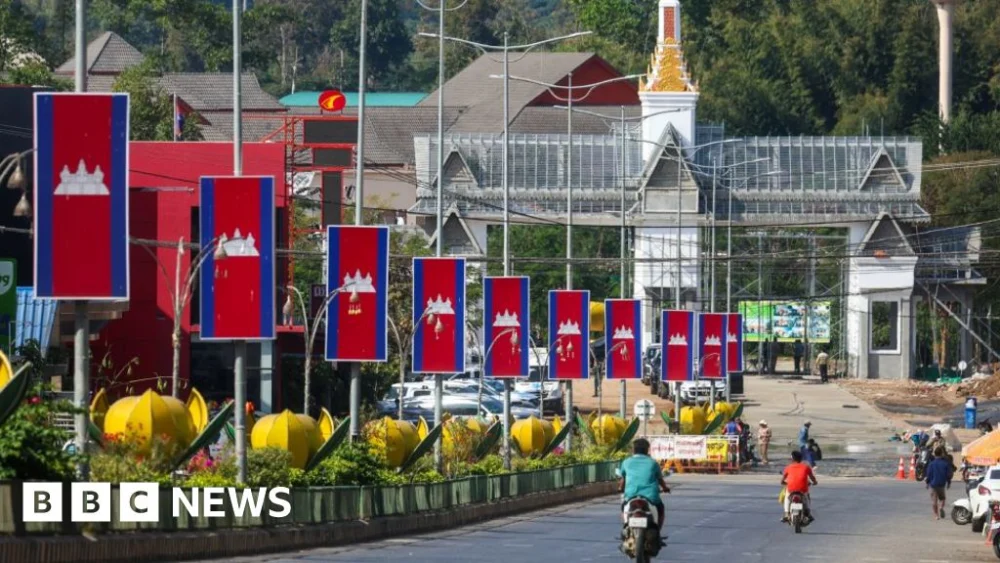
A tenuous ceasefire has been declared along the disputed frontier separating Thailand and Cambodia, marking a critical juncture in the nearly three-week-long cycle of lethal confrontations that have dislodged close to a million individuals from their communities and significantly strained regional stability. This latest diplomatic breakthrough aims to provide a much-needed respite from the escalating violence, but its durability hinges on the political resolve and mutual trust – or lack thereof – between the two Southeast Asian nations.
The agreement, forged through intensive negotiations and with the diplomatic encouragement of global powers including China and the United States, represents a concerted effort to de-escalate a conflict that has simmered for decades and periodically erupted into fierce combat. According to a joint communique issued by the defense ministries of both countries, the terms of the truce include an immediate cessation of hostilities, a freezing of existing military positions along the front lines, a prohibition on the movement of troop reinforcements, and a commitment to facilitate the swift return of civilians to their homes in the affected border zones. The ceasefire officially commenced at noon local time (05:00 GMT) on Saturday. A significant confidence-building measure tied to the accord stipulates that eighteen Cambodian soldiers, detained by Thailand since July, are slated for release upon the successful observation of the ceasefire for a continuous 72-hour period. This provision underscores the delicate nature of the agreement, linking a humanitarian gesture to the immediate adherence to military restraint. Beyond the immediate de-escalation, the pact also addresses the critical humanitarian and security challenges of returning displaced populations and includes a crucial commitment to the painstaking and perilous process of landmine removal in the contested territories, a lingering and deadly legacy of past conflicts.
Thailand’s Defence Minister, Natthaphon Narkphanit, articulated Bangkok’s guarded optimism regarding the accord, describing it as a fundamental test of the "other party’s sincerity." His statement underscored the inherent skepticism and the conditional nature of Thailand’s commitment, adding a clear caveat: "Should the ceasefire fail to materialise or be violated, Thailand retains its legitimate right to self-defence under international law." This declaration highlights Thailand’s resolve to protect its sovereignty and national interests, even as it engages in a diplomatic solution. International observers have also weighed in, with UN Human Rights Chief Volker Türk expressing profound hope that the ceasefire would "pave the way" for a more enduring peace. An EU spokesperson further emphasized the imperative for "good faith" in the implementation of the agreement, signaling the international community’s watchful stance and its desire for a stable resolution.
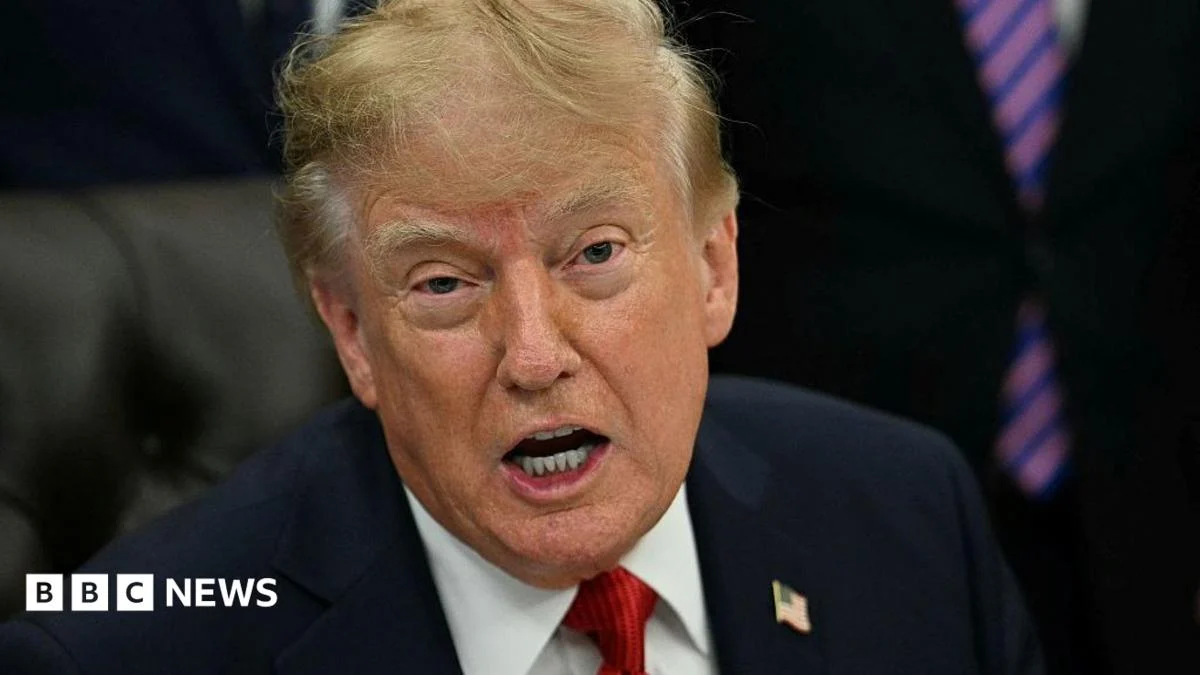
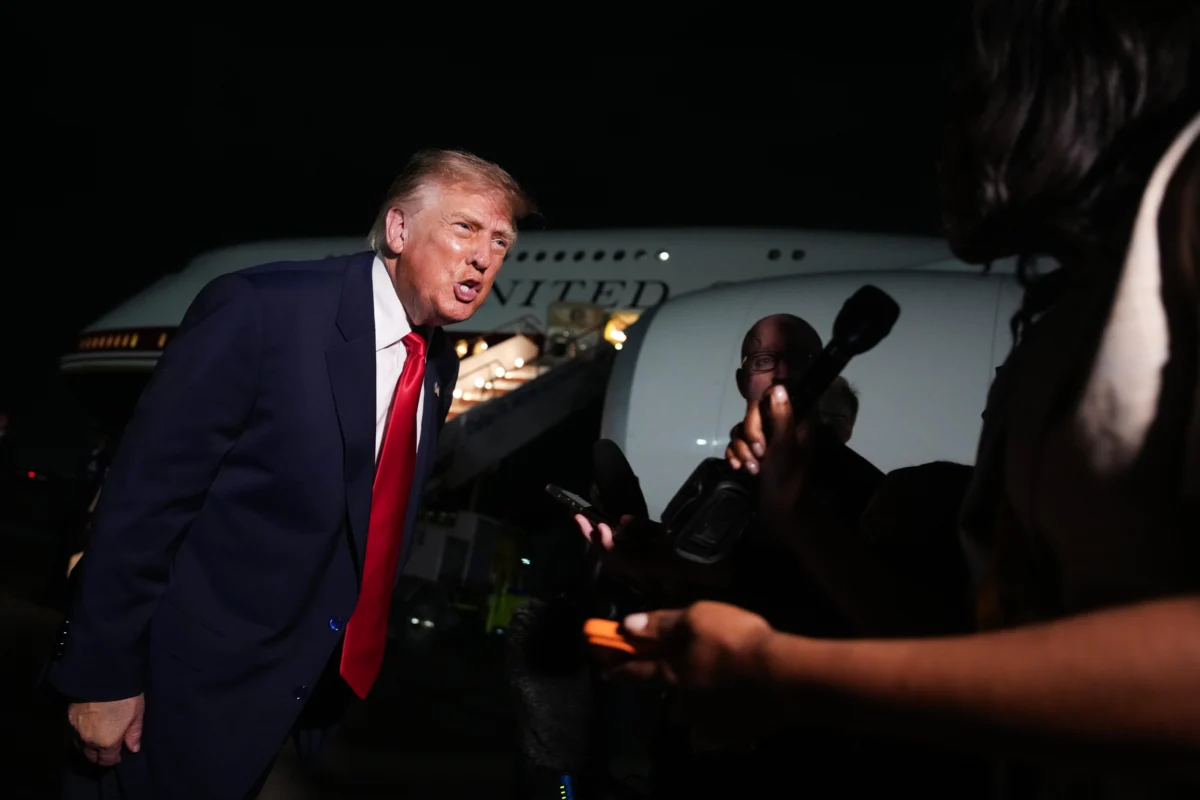
Historically, Thailand has approached such ceasefires with considerable caution, citing previous instances of non-compliance. Bangkok had previously voiced resentment over what it perceived as Cambodia’s attempts to internationalize a fundamentally bilateral border dispute, preferring direct negotiations to external mediation. Notably, while the US State Department played a role in the current diplomatic efforts, the high-profile involvement of former US President Donald Trump, who personally brokered a previous ceasefire in July, was conspicuously absent this time. That earlier agreement, known as the "Kuala Lumpur Peace Accords," had collapsed precipitously earlier this month, plunging the border region back into intense fighting and illustrating the profound fragility of previous diplomatic overtures.
The recent flare-up in December began with mutual accusations of initiating hostilities. The Royal Thai Army asserted that its forces had merely responded to unprovoked Cambodian fire in Thailand’s Si Sa Ket province, an engagement that reportedly resulted in injuries to two Thai soldiers. Conversely, Cambodia’s Ministry of National Defence vehemently denied these claims, alleging that it was Thai forces that had launched the initial assault in Preah Vihear province, and insisted that Cambodian units had exercised restraint and not retaliated. These conflicting narratives underscore the deep-seated mistrust and the difficulty in establishing clear accountability for the various provocations.
The conflict escalated significantly throughout December, culminating in a series of Thai air strikes deep within Cambodian territory just prior to the ceasefire. On Friday, the Royal Thai Air Force announced that it had conducted precision strikes against a "fortified military position" inside Cambodia, asserting that these operations were carried out only after civilians had been evacuated from the target areas. The Cambodian Ministry of Defence, however, vehemently refuted this characterization, condemning the strikes as "indiscriminate attacks" that inflicted damage upon civilian residences. This divergence in accounts not only highlights the differing interpretations of the laws of engagement but also serves to exacerbate the existing grievances and nationalist fervor on both sides. The successful implementation of this latest ceasefire, therefore, is not merely a logistical challenge but fundamentally rests upon the political will of both governments to prioritize de-escalation over nationalistic posturing, particularly given the inflamed public sentiment in both countries.
The enduring disagreement over the precise demarcation of the border is a complex issue with roots stretching back over a century, tracing its origins to colonial-era treaties and subsequent geopolitical shifts. The 1962 ruling by the International Court of Justice (ICJ), which awarded the Preah Vihear temple to Cambodia, remains a pivotal point of contention. While the temple itself is recognized as Cambodian territory, the land immediately surrounding it and various other sections of the 800-kilometer border remain undemarcated and disputed, leading to frequent incursions and clashes. Tensions were notably exacerbated earlier this year when a seemingly minor incident – a group of Cambodian women singing patriotic songs near the disputed temple – triggered a significant increase in nationalist sentiment and military posturing. This was followed by a fatal clash in May, claiming the life of a Cambodian soldier, and then a brutal five-day engagement in July that resulted in dozens of military and civilian casualties and displaced thousands.
Following this intense period, a fragile truce, dubbed the "Kuala Lumpur Peace Accords," was brokered in late October through the mediation efforts of Malaysia and the direct involvement of then-US President Donald Trump. This agreement stipulated a withdrawal of heavy weaponry from the disputed zone and the establishment of an interim international observer team to monitor compliance. However, this promising accord was abruptly suspended by Thailand in November, after several Thai soldiers sustained injuries from landmines. Thai Prime Minister Anutin Charnvirakul cited persistent security threats, stating that the danger had "not actually decreased," thus signaling the profound challenges inherent in establishing lasting peace in a heavily mined and militarily entrenched region.
The current ceasefire emerges from a particularly disadvantageous position for Cambodia. Reports indicate significant losses of military personnel and equipment, coupled with the strategic setback of being driven back from several previously held border positions. The extensive damage inflicted by the recent Thai air strikes further compounds these grievances, making the path toward a durable peace exceptionally difficult. The inherent military asymmetry between the two nations, with Thailand possessing a more modern and well-equipped military, particularly in terms of air power, significantly influences the dynamics of any negotiations. This imbalance can foster a sense of vulnerability in Cambodia, potentially hindering its willingness to make concessions, while conversely, Thailand may feel less compelled to compromise without robust international pressure.
The humanitarian impact of the prolonged conflict is profound. The displacement of nearly one million people has created an immense crisis, placing severe strain on resources and requiring substantial international aid. Beyond the immediate displacement, the conflict disrupts livelihoods, education, and access to essential services, creating a protracted humanitarian emergency that will require extensive post-conflict rehabilitation. The economic ramifications are also substantial, affecting cross-border trade, tourism, and investment in the affected regions. The recurring cycle of violence deters economic development and perpetuates instability, undermining the prosperity of communities on both sides of the border.
Looking ahead, the success of this ceasefire is not guaranteed; it represents merely a temporary pause in a long-standing, deeply entrenched conflict. For a lasting peace to materialize, several fundamental challenges must be addressed. First and foremost is the imperative to establish a clear and mutually recognized border demarcation, a complex undertaking that will require sustained political will and expert technical cooperation. Beyond this, building trust between the two nations will be crucial, potentially through joint economic development initiatives in border areas, enhanced diplomatic dialogue, and sustained cultural exchanges. The role of regional bodies like ASEAN will also be critical in facilitating these processes and ensuring adherence to any future peace agreements. Without addressing the root causes of the dispute, coupled with a genuine commitment from both Bangkok and Phnom Penh to pursue diplomatic solutions over military confrontation, the current ceasefire, like its predecessors, risks becoming just another temporary lull before the inevitable return of hostilities. The world watches cautiously, hopeful that this latest attempt at de-escalation can indeed pave the way for a more stable and prosperous future for the people of Thailand and Cambodia.

 Aura Kasih
 Safa Marwah
 Ayu Aulia