Lisa Mariana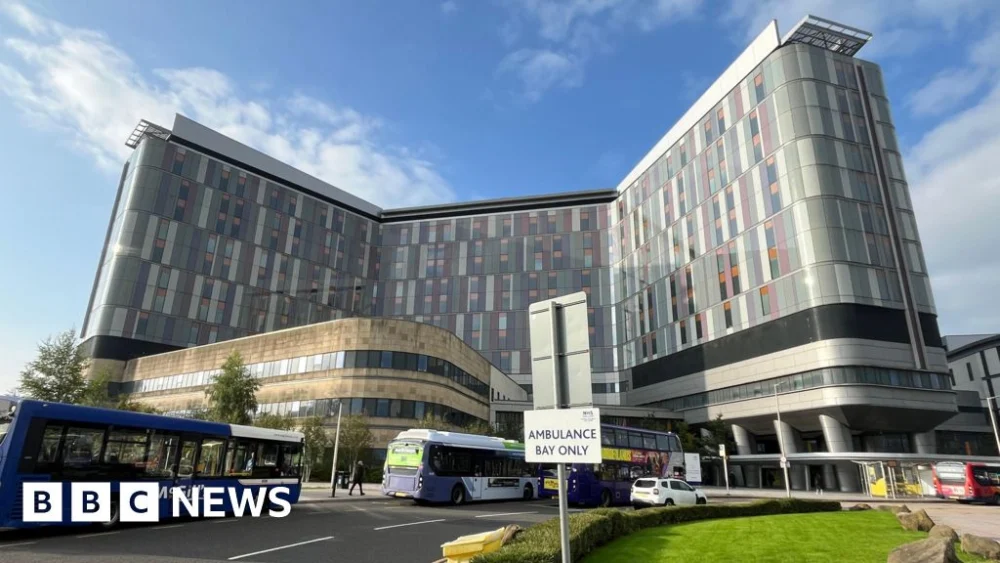
A grave administrative and procedural failure at Scotland’s largest medical institution, the Queen Elizabeth University Hospital (QEUH) in Glasgow, has resulted in an unimaginable ordeal for two grieving families. In a deeply distressing incident, a deceased individual was erroneously identified and released from the hospital’s mortuary facilities, subsequently undergoing cremation by a family who believed they were laying their own loved one to rest. This profound error, which became apparent only after the completion of the funeral rites, has triggered widespread alarm and an immediate, high-level investigation by health authorities, casting a stark light on the critical importance of meticulous protocols in end-of-life care.
The tragic sequence of events began within the mortuary of the Queen Elizabeth University Hospital, where the remains of two individuals were present. Due to a critical lapse in identification procedures, one of the deceased was mistakenly labelled. This incorrect identification led to the handover of the wrong body to funeral undertakers. The grieving family proceeded with the funeral service and cremation, under the heart-wrenching misconception that they were honouring their own departed relative. The discovery of the mistake, post-cremation, inflicted a second, unimaginable layer of anguish upon this family, while simultaneously denying another family the fundamental right to conduct proper funeral arrangements for their loved one. The emotional devastation for both families involved is profound, impacting their ability to grieve and find closure in an already intensely difficult period.
In response to this egregious error, NHS Greater Glasgow and Clyde (NHSGGC), the health board overseeing the hospital, has issued an unreserved apology. The organisation has attributed the incident to "human error" and confirmed that the staff members directly involved have been suspended pending the outcome of a thorough internal investigation. Dr. Scott Davidson, the medical director for NHS Greater Glasgow and Clyde, conveyed his deepest regrets to both affected families, acknowledging the immense distress caused. He emphasized that the health board operates with "very rigorous processes for the identification and labelling of bodies from arrival in our mortuaries until their release into the care of an undertaker." The lamentable fact that these established procedures were not adhered to on this occasion underscores a significant breakdown in critical safeguards. The immediate launch of an investigation signifies the gravity with which the health board is treating the matter, aiming to understand the full circumstances and implement corrective learning to prevent any recurrence.
The integrity of identification processes within hospital mortuaries is paramount, representing the final critical touchpoint in the chain of care. Standard operating procedures typically involve a multi-layered verification system designed to eliminate errors. This often includes wristbands with unique identifiers, detailed paperwork matching the deceased’s personal information, and often a two-person verification process before any body is released to funeral directors. Digital tracking systems, photographic records, and meticulous logbooks are also common components of a robust mortuary management system. The failure of such a system, regardless of whether it was due to a single individual’s oversight, systemic pressures, or a combination thereof, represents a catastrophic breach of trust and professional duty. The implications extend beyond the immediate emotional trauma to families, raising serious questions about the reliability of internal controls and staff adherence to established protocols within such sensitive environments.
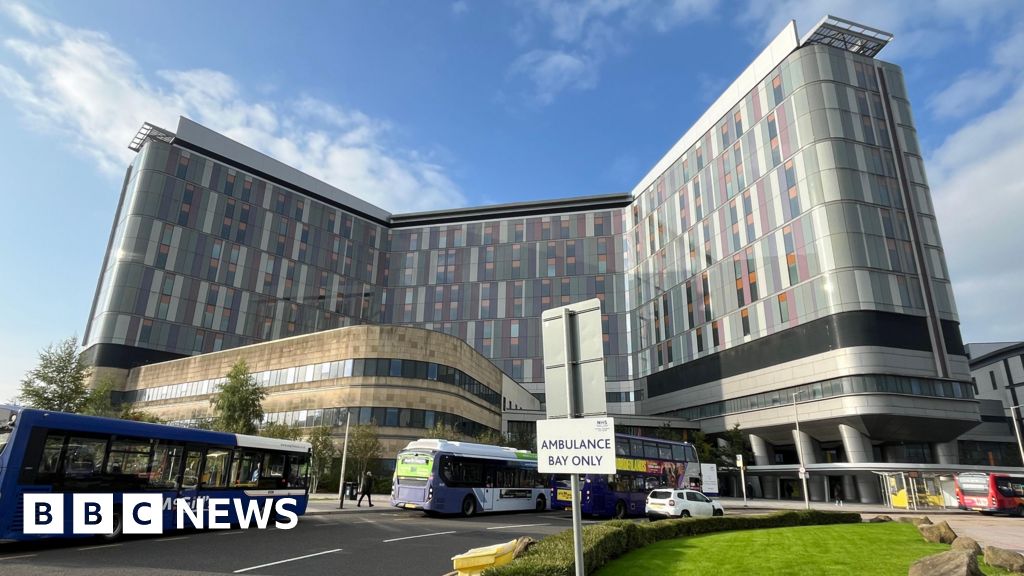
This incident also cannot be viewed in isolation from the broader context surrounding the Queen Elizabeth University Hospital campus. Opened in 2015 as a flagship £840 million facility, incorporating the Royal Hospital for Children, the QEUH was envisioned as a state-of-the-art medical centre. However, its operational history has been marred by a series of high-profile challenges. The hospital has been the subject of significant public scrutiny due to various infection outbreaks, particularly affecting vulnerable patients, and persistent concerns regarding the safety and efficacy of its water and ventilation systems. These issues are currently under comprehensive investigation as part of the ongoing Scottish Hospitals Inquiry, which is examining the design, construction, and maintenance of several new hospitals in Scotland. The fact that a critical error of this magnitude has occurred within a facility already under such intense scrutiny adds another layer of complexity to public confidence in its management and operational oversight. It suggests a potential pattern of systemic vulnerabilities or lapses in adherence to stringent quality and safety standards that extends beyond infrastructure concerns to fundamental operational procedures.
The Scottish government has expressed its profound concern regarding the incident, offering sincere condolences to the families experiencing this "terrible incident." A spokesperson affirmed that the government has conveyed a clear directive to NHS Greater Glasgow and Clyde, demanding a full and transparent investigation into the circumstances. Furthermore, the government has committed to carefully reviewing the findings of the senior inspector of burial, cremation, and funeral directors. This indicates a multi-faceted oversight approach, involving both the health board’s internal inquiry and an independent regulatory assessment of the wider processes governing the handling of the deceased. Such regulatory oversight is crucial in ensuring that not only are immediate corrective actions taken, but also that any systemic weaknesses identified are addressed across the entire funeral services sector, potentially leading to updated guidelines or stricter enforcement mechanisms.
The ethical and psychological dimensions of this error are profound. For the family who cremated the wrong body, the act of mourning and saying a final farewell has been irrevocably tainted by a horrifying deception. The ritual of cremation, intended as a sacred act of remembrance and release, has instead become a source of unimaginable distress and potentially enduring trauma. The knowledge that they performed these rites for a stranger, while their own loved one remained uncremated, creates a complex and painful psychological burden. Similarly, the second family has been robbed of the opportunity for a dignified and timely farewell, facing the unsettling reality that their relative’s remains were not handled with the respect and care they deserved, and potentially facing delays in receiving their loved one for appropriate memorialisation. This denial of fundamental human rights in death underscores the critical importance of infallible identification systems. The concept of "dignity of the deceased" is a cornerstone of ethical medical and funeral practice, and this incident represents a severe violation of that principle.
Looking ahead, the investigation into this incident must be exhaustive and transparent, aiming to uncover every contributing factor, from individual lapses to potential systemic pressures. This includes examining staffing levels, training adequacy, workload intensity, clarity of protocols, and the effectiveness of supervision within the mortuary environment. The findings will undoubtedly have significant implications for mortuary management practices not just within NHS Greater Glasgow and Clyde, but potentially across all healthcare trusts in Scotland and the wider United Kingdom. It is conceivable that new, more stringent national guidelines for the identification, storage, and release of deceased persons may be considered, perhaps incorporating advanced technological solutions for biometric identification or more robust digital tracking.
Beyond procedural changes, there is a critical need for restorative justice for the affected families. This would involve not only apologies and investigations but also comprehensive support for their psychological well-being and any practical assistance required to navigate the aftermath of such a unique trauma. The incident serves as a stark reminder of the immense responsibility placed upon healthcare institutions and funeral service providers in their handling of the deceased. In a modern healthcare system striving for excellence, the most basic and fundamental acts of care and respect, particularly in the most vulnerable moments, must be absolutely foolproof. The Glasgow hospital mistake underscores that even in an era of advanced medical science, human vigilance and unwavering adherence to established protocols remain indispensable safeguards against errors with devastating human consequences. The public, understandably, will be seeking assurances that such a profound breach of trust and dignity can never happen again.




 Aura Kasih
 Safa Marwah
 Ayu Aulia