Ridwan Kamil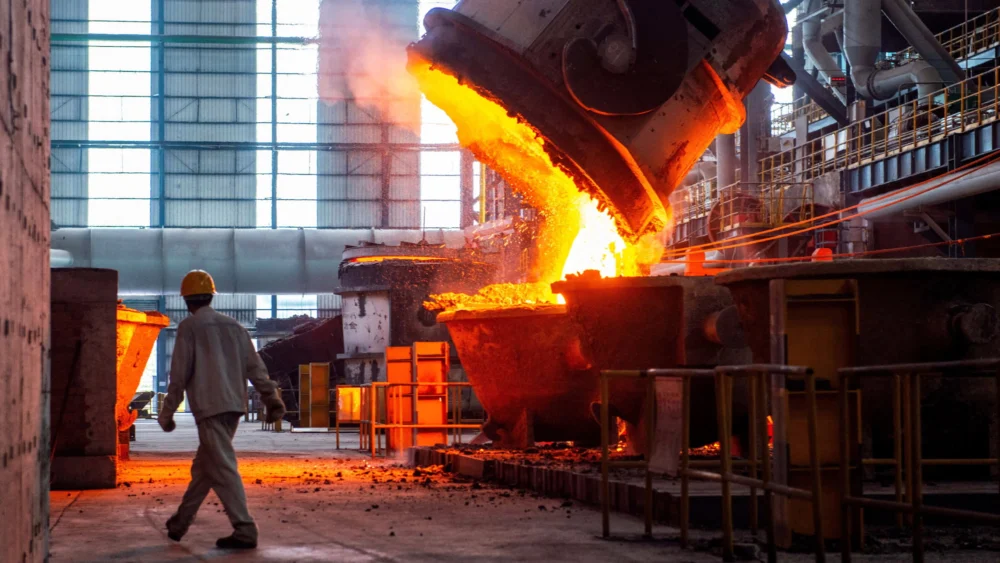
China’s manufacturing sector is grappling with a significant downturn, evidenced by a sharp contraction in industrial profits, a direct consequence of flagging domestic and international demand coupled with persistent deflationary forces that are eroding corporate earnings and signaling broader economic headwinds.
The economic landscape in China is currently characterized by a pronounced slowdown in its once-mighty industrial engine. Official data has revealed a stark decline in the profitability of the nation’s industrial enterprises, a development that casts a long shadow over the country’s economic trajectory. This precipitous drop in profits is not an isolated incident but rather a symptom of a more complex interplay of factors, most notably a persistent weakness in aggregate demand, both from within China’s vast domestic market and from its key international trading partners. Compounding these demand-side challenges is the insidious creep of deflation, a phenomenon that not only squeezes margins but also discourages investment and consumption, creating a self-reinforcing cycle of economic stagnation.
The implications of this profit erosion extend far beyond the balance sheets of individual companies. For the Chinese government, which has long relied on a robust industrial sector to drive growth and employment, this downturn presents a significant policy challenge. It signals a potential decoupling from the robust growth rates of previous decades and necessitates a recalcitrant re-evaluation of economic strategy. For global markets, China’s industrial slowdown is a closely watched indicator, given its outsized role in global supply chains and its influence on commodity prices and international trade flows. The current predicament suggests that the era of unbridled export-led growth may be giving way to a more complex and challenging period, one that requires a delicate balancing act between stimulating domestic consumption and navigating global economic uncertainties.
Deep Dive into the Profit Plunge: Unpacking the Contributing Factors
The recent deterioration in Chinese industrial profits is a multifaceted issue, with weak demand acting as the primary catalyst. Both domestic consumption and overseas orders have failed to materialize at expected levels. On the domestic front, a lingering property market crisis continues to dampen consumer confidence and household spending. Many Chinese households, concerned about falling asset values and uncertain economic prospects, are adopting a more cautious approach to discretionary spending, which in turn reduces the demand for manufactured goods. This subdued domestic appetite translates directly into lower sales volumes for factories across a spectrum of industries, from automobiles and electronics to textiles and construction materials.
Externally, China’s export sector is facing headwinds from a global economic slowdown, characterized by higher inflation and rising interest rates in major economies. As developed nations grapple with their own economic challenges, their purchasing power diminishes, leading to a reduction in orders for Chinese-made products. Furthermore, geopolitical tensions and a trend towards supply chain diversification by multinational corporations are also impacting China’s export performance. Businesses are increasingly seeking to mitigate risks by spreading their manufacturing bases across different regions, a strategy that potentially reduces China’s share of global manufacturing output and, consequently, its industrial profits.
The specter of deflation further exacerbates the profit squeeze. Deflation, a sustained decrease in the general price level, means that companies are forced to sell their products at lower prices to remain competitive. While lower prices might seem beneficial for consumers in the short term, for businesses, it directly erodes profit margins. When coupled with rising input costs, such as energy and raw materials, or relatively sticky labor costs, the pressure on profitability becomes immense. This environment makes it difficult for companies to recoup their production expenses, let alone generate sufficient returns to reinvest in their operations or distribute to shareholders. The risk of a deflationary spiral, where falling prices lead to reduced production and further price drops, is a significant concern for policymakers aiming to stimulate economic activity.
Sectoral Impacts and Broader Economic Ramifications
The impact of this profit decline is not uniform across all industrial sectors. Industries that are heavily reliant on exports, such as electronics and textiles, are particularly vulnerable to the slowdown in global demand. Similarly, sectors that cater to domestic infrastructure development, such as steel and cement, are feeling the pinch from the ongoing property sector deleveraging and a slowdown in new construction projects. Conversely, industries that are aligned with government strategic priorities, such as renewable energy and advanced manufacturing supported by state subsidies, may exhibit more resilience, although even these sectors are not entirely immune to broader economic weaknesses.
The ripple effects of this industrial profit contraction are substantial and extend to the broader Chinese economy. A significant decline in corporate profits can lead to reduced investment in capital expenditure, hindering long-term productivity growth. It can also result in job losses or wage stagnation, further dampening consumer demand and creating social stability concerns. Furthermore, a sustained period of low industrial profits can impact government revenue through lower corporate tax receipts, potentially constraining public spending on essential services and stimulus measures.
The deleveraging of the property sector, a key driver of economic growth for years, continues to cast a long shadow. This slowdown directly affects industries supplying construction materials and household goods. The financial health of developers has deteriorated, leading to unfinished projects and a decline in new housing sales. This not only impacts construction but also spills over into related sectors such as furniture, appliances, and home improvement. The government’s efforts to stabilize the property market, while necessary, are likely to take time to yield significant results, meaning the drag on industrial profits from this quarter will persist.
Policy Responses and the Path Forward
In response to these mounting economic challenges, the Chinese government has been deploying a range of policy measures. These include targeted fiscal stimulus, such as increased infrastructure spending and tax breaks for certain industries, as well as monetary easing through interest rate cuts and reductions in bank reserve requirements. The aim is to inject liquidity into the economy, boost credit availability, and encourage investment and consumption.
However, the effectiveness of these measures is a subject of ongoing debate among economists. Some argue that the scale of the stimulus may not be sufficient to counteract the deep-seated issues of weak demand and deflationary pressures. Others point to the potential for unintended consequences, such as the risk of asset bubbles or increased debt levels. There is also a growing recognition that structural reforms may be necessary to address the underlying causes of the slowdown, including rebalancing the economy away from investment and exports towards domestic consumption, and fostering a more favorable environment for private sector innovation and growth.
The government’s emphasis on "high-quality development" suggests a strategic shift away from sheer quantitative growth towards more sustainable and innovation-driven economic expansion. This includes investing in advanced technologies, promoting green industries, and enhancing domestic technological self-reliance. However, the transition to this new growth paradigm is complex and fraught with challenges, particularly in the current global economic climate.
Global Implications and Future Outlook
The slowdown in China’s industrial sector has significant implications for the global economy. As the world’s second-largest economy and a critical node in global supply chains, any faltering in China’s industrial output can have far-reaching consequences. It can lead to reduced demand for commodities, impacting resource-exporting nations. It can also affect the profitability of multinational corporations that rely on Chinese manufacturing or export to the Chinese market.
The current trajectory suggests that China is navigating a period of significant economic transition. The era of exceptionally high growth rates driven by low-cost manufacturing and massive infrastructure investment may be giving way to a more moderate and sustainable growth model. However, the path through this transition is likely to be bumpy, characterized by ongoing challenges related to demand, inflation, and structural adjustments.
The future outlook for China’s industrial profits will depend on a complex interplay of domestic policy effectiveness, the trajectory of the global economy, and the successful implementation of structural reforms. While the government possesses considerable tools to manage the economy, overcoming the current headwinds will require a deft hand and a clear strategic vision. The ability of Chinese enterprises to adapt to evolving market conditions, innovate, and navigate the deflationary environment will be crucial in determining the pace and sustainability of the country’s economic recovery and its continued role as a global economic powerhouse. The current slump in industrial profits serves as a stark reminder of the interconnectedness of the global economy and the profound impact of China’s economic performance on the rest of the world.



 Aura Kasih
 Safa Marwah
 Ayu Aulia