Lisa Mariana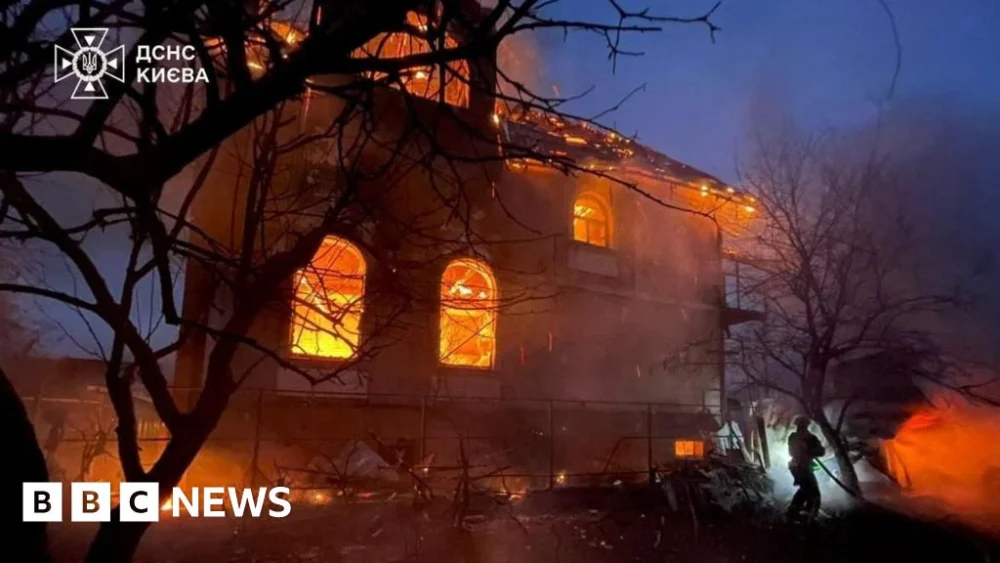
In a stark demonstration of continued regional instability, the Ukrainian capital of Kyiv recently endured a severe overnight assault by Russian forces, prompting a rapid and assertive response from Poland, which scrambled its aerial defense assets along its border with Ukraine, all occurring on the eve of pivotal diplomatic engagements concerning the conflict’s future. This latest wave of aggression, characterized by extensive missile and drone strikes, inflicted significant damage, claiming at least one life and injuring dozens, underscoring the relentless nature of the ongoing conflict and casting a long shadow over impending peace negotiations. The timing of these attacks, immediately preceding a crucial meeting between Ukrainian President Volodymyr Zelensky and former U.S. President Donald Trump in Florida, as well as a subsequent discussion with European leaders, highlights a deliberate Russian strategy to exert pressure and undermine diplomatic efforts.
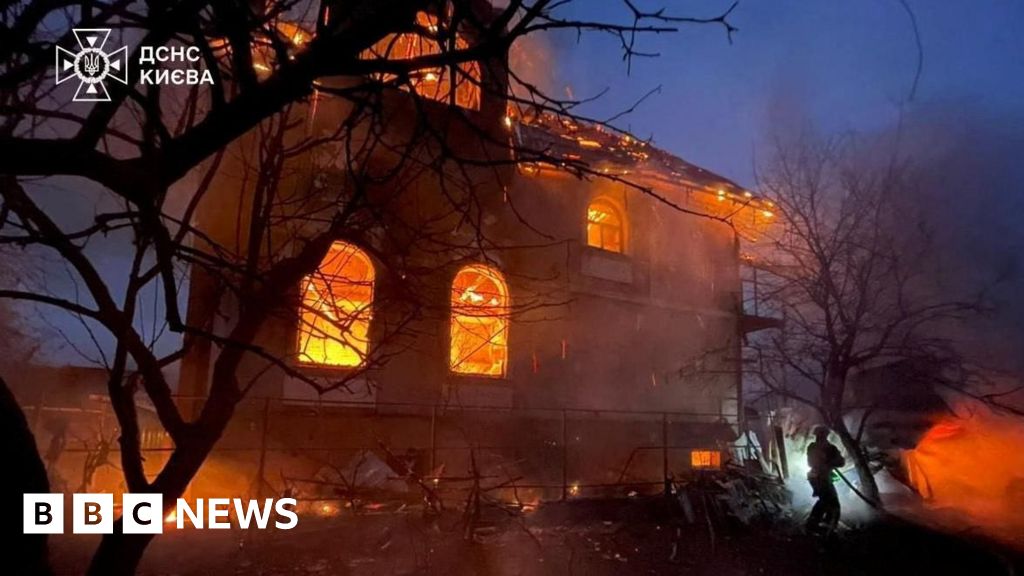
The overnight aerial bombardment on Kyiv represented one of the most intense assaults in recent memory, with Ukrainian authorities reporting a coordinated attack involving nearly 500 drones and 40 missiles. These projectiles, including advanced Kinzhal hypersonic missiles and Iranian-supplied Shahed drones, targeted critical energy infrastructure and residential areas across the capital. Vivid imagery emerging from Kyiv depicted scenes of devastation: apartment blocks with catastrophic structural damage, residential homes engulfed in flames, and emergency services battling to contain the fallout. The sheer scale of the attack overwhelmed parts of Kyiv’s defense systems, leading to widespread power outages affecting thousands of buildings and disrupting heating supplies as temperatures plunged below freezing. The State Emergency Service of Ukraine reported extensive rescue operations, including the evacuation of 68 individuals from a retirement facility in the Darnytskyi district, a testament to the direct human cost of the aggression. President Zelensky, speaking via Telegram, vehemently condemned the strikes, asserting that Russia’s actions belie any claims of seeking a peaceful resolution, instead demonstrating a clear intent to inflict maximum suffering and damage upon Ukraine. He implored international allies, particularly the United States and European nations, to bolster their support and exhibit unwavering strength against what he termed Russia’s "sick activity."
In immediate response to the intensified Russian offensive, Poland’s military initiated a "preventative" activation of its air force, deploying fighter jets, ground-based air defense systems, and enhancing radar reconnaissance along its 530-kilometer border with western Ukraine. This decisive maneuver, articulated by the Polish Armed Forces, was explicitly aimed at safeguarding and securing its national airspace, particularly in regions adjacent to the conflict zone. While Polish authorities later confirmed that no direct violation of their airspace had occurred, the mobilization underscored the heightened state of alert among NATO’s eastern flank members and the palpable concern regarding potential spillover effects from the protracted conflict. This proactive stance reflects a broader NATO strategy to deter Russian aggression and protect allied territory, even as the alliance navigates the complexities of supporting Ukraine without direct engagement. Simultaneously, Russia’s Ministry of Defense issued a counter-statement, claiming its air defenses had successfully intercepted and destroyed seven Ukrainian drones overnight, a routine assertion in the tit-for-tat exchanges of the ongoing conflict.
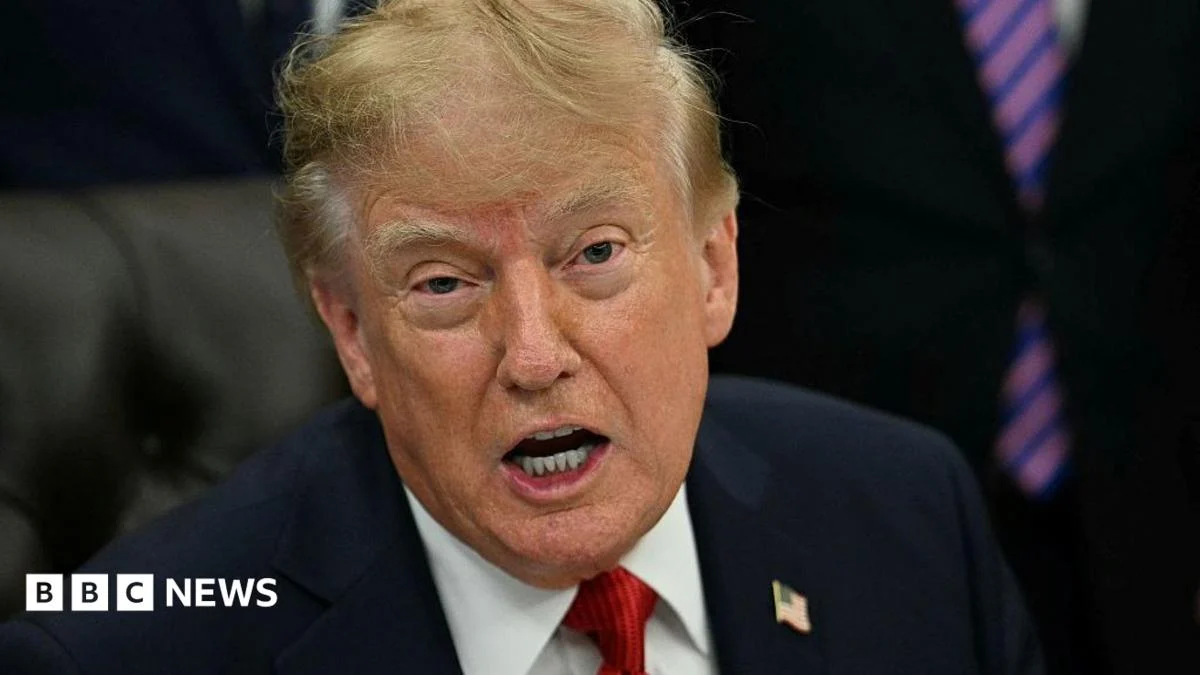
The geopolitical landscape surrounding the conflict is further complicated by concurrent diplomatic initiatives aimed at fostering a path to peace. Central to these efforts is Ukrainian President Volodymyr Zelensky’s scheduled meeting with former U.S. President Donald Trump. This encounter carries significant weight given Trump’s potential return to the U.S. presidency and his previously articulated positions on the conflict, which have often diverged from current U.S. policy. Zelensky is expected to present a newly refined 20-point peace proposal during this engagement. This latest draft represents a significant revision of an earlier 28-point plan, reportedly crafted by U.S. special envoy Steve Witkoff, which had garnered criticism for being perceived as overly accommodating to Russian interests. The new Ukrainian proposal, described by Zelensky as a "foundational document on ending the war," reportedly seeks to establish robust security guarantees for Ukraine from the United States, NATO, and European allies. These guarantees would hypothetically entail a coordinated military response should Russia initiate another invasion.
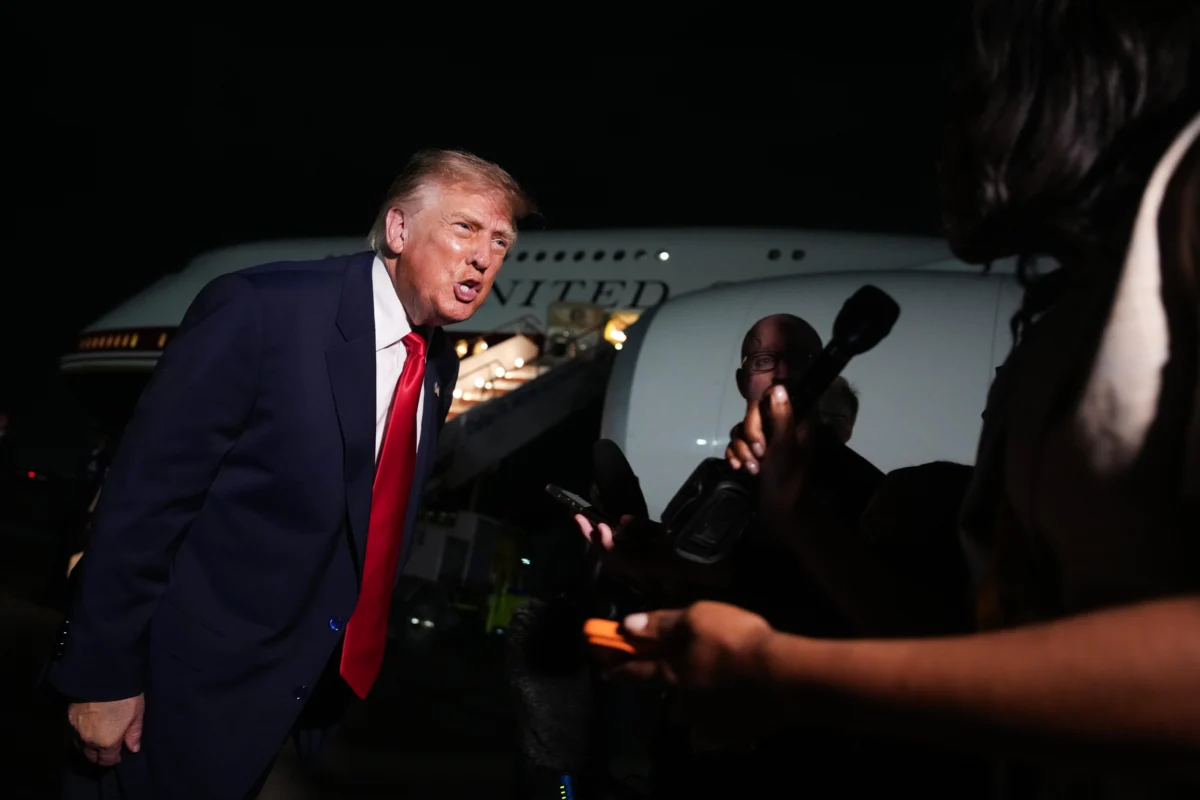
A critical point of contention in past and ongoing negotiations has revolved around the fate of Ukraine’s eastern Donbas region. The revised peace plan is rumored to introduce a novel approach, suggesting the potential establishment of a "free economic zone" in the Donbas, a concept that could offer a framework for de-escalation and reintegration, albeit with significant political and economic complexities. Former President Trump, in an interview with Politico, notably asserted his pivotal role in any future peace agreement, stating unequivocally that Zelensky "doesn’t have anything until I approve it." He further indicated his anticipation of reviewing the new draft plan and expressed optimism that it would be favorably received by both Zelensky and Russian President Vladimir Putin, adding that he expected to communicate with Putin "soon." These remarks underscore the potential for a dramatic shift in U.S. foreign policy direction and its profound implications for the Ukrainian conflict, particularly given Trump’s historical inclination towards direct engagement with Moscow.
Beyond the bilateral U.S.-Ukraine discussions, President Zelensky is also slated to engage in a telephone conversation with European Union leaders and European Commission President Ursula von der Leyen on Saturday. This separate consultation highlights the multi-faceted diplomatic offensive underway, as Ukraine seeks to solidify international consensus and support for its vision of peace. The European Union, a steadfast supporter of Ukraine, plays a crucial role not only in providing financial and military aid but also in shaping the broader geopolitical response to Russian aggression. The collective European stance, often in alignment with current U.S. policy, is vital for presenting a united front in any future negotiations.
The timing of Russia’s intensified strikes, preceding these high-stakes diplomatic meetings, is strategically significant and warrants deeper analysis. Moscow’s actions can be interpreted as a deliberate attempt to project strength, demonstrate resolve, and potentially disrupt or undermine the peace talks. By escalating military pressure, Russia signals its unwillingness to be dictated to by external diplomatic frameworks and seeks to improve its bargaining position. Such aggressive maneuvers often aim to create a sense of urgency and desperation, hoping to compel Ukraine and its allies towards concessions. Furthermore, these attacks serve to test Ukraine’s air defense capabilities, deplete its resources, and inflict further damage on critical infrastructure, weakening its resilience as the conflict prolongs. The targeting of energy facilities, particularly during winter, aims to exacerbate humanitarian suffering and erode civilian morale, a tactic frequently employed by Russia throughout the conflict.
Poland’s swift military response, a standard procedure under NATO protocols for airspace defense, carries broader implications for regional security. As a frontline NATO state, Poland’s readiness to defend its airspace and monitor cross-border incidents is paramount. While no direct intrusion occurred, the deployment of fighter jets acts as a clear deterrent and reaffirms NATO’s commitment to collective defense under Article 5. Such actions also highlight the inherent risks of the conflict, where miscalculations or accidental incursions could lead to unforeseen escalations, potentially drawing NATO more directly into the conflict. The ongoing need for vigilance among alliance members underscores the precarious security environment in Eastern Europe.
The future outlook for peace remains profoundly uncertain. The fundamental divergences between Russia’s objectives and Ukraine’s sovereign demands present formidable obstacles to any lasting resolution. Russia’s stated aims, often involving territorial concessions, demilitarization of Ukraine, and a shift in its geopolitical alignment, are diametrically opposed to Ukraine’s insistence on territorial integrity, sovereignty, and self-determination. The proposed "free economic zone" in Donbas, while potentially a creative solution for economic recovery and regional stability, would face immense political hurdles regarding sovereignty and governance.
Moreover, the shifting political landscape in the United States, particularly the potential influence of a future Trump administration, adds another layer of complexity. Trump’s stated desire to "end the war quickly" could translate into pressure on Ukraine to make concessions, potentially at the expense of its long-term security interests. His willingness to engage directly with Putin suggests a different diplomatic approach, one that might bypass traditional multilateral frameworks and potentially isolate European allies. The efficacy of any peace plan will ultimately depend on its ability to garner broad international support, secure robust enforcement mechanisms, and address the root causes of the conflict, not merely its symptoms. Without genuine commitment from all parties to a durable and equitable resolution, the cycle of violence, as evidenced by the recent Kyiv strikes, is likely to persist, further destabilizing the region and exacting a heavy toll on human lives and infrastructure. The road to peace, therefore, remains fraught with diplomatic challenges, military uncertainties, and the enduring geopolitical ambitions of the involved parties.

 Aura Kasih
 Safa Marwah
 Ayu Aulia