Ridwan Kamil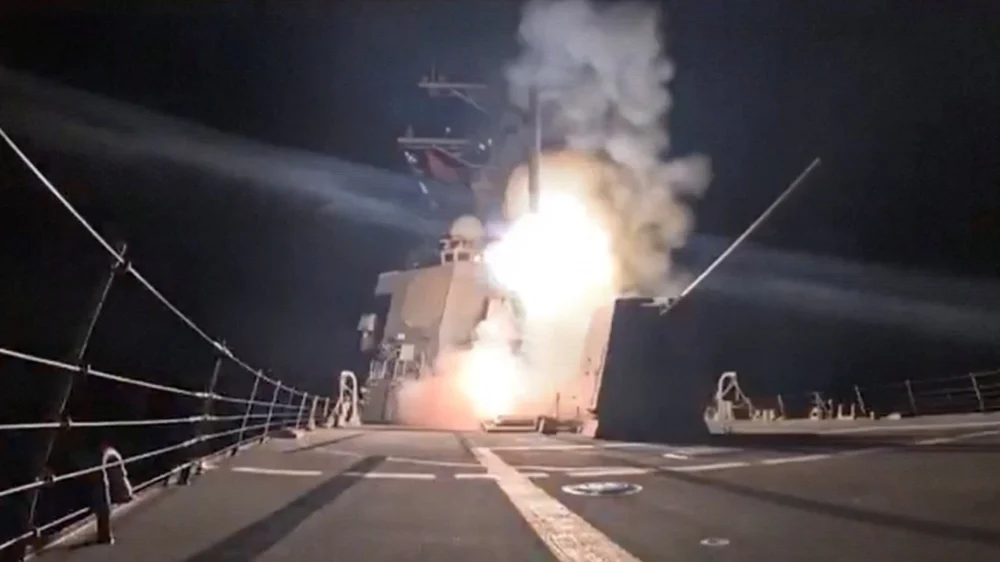
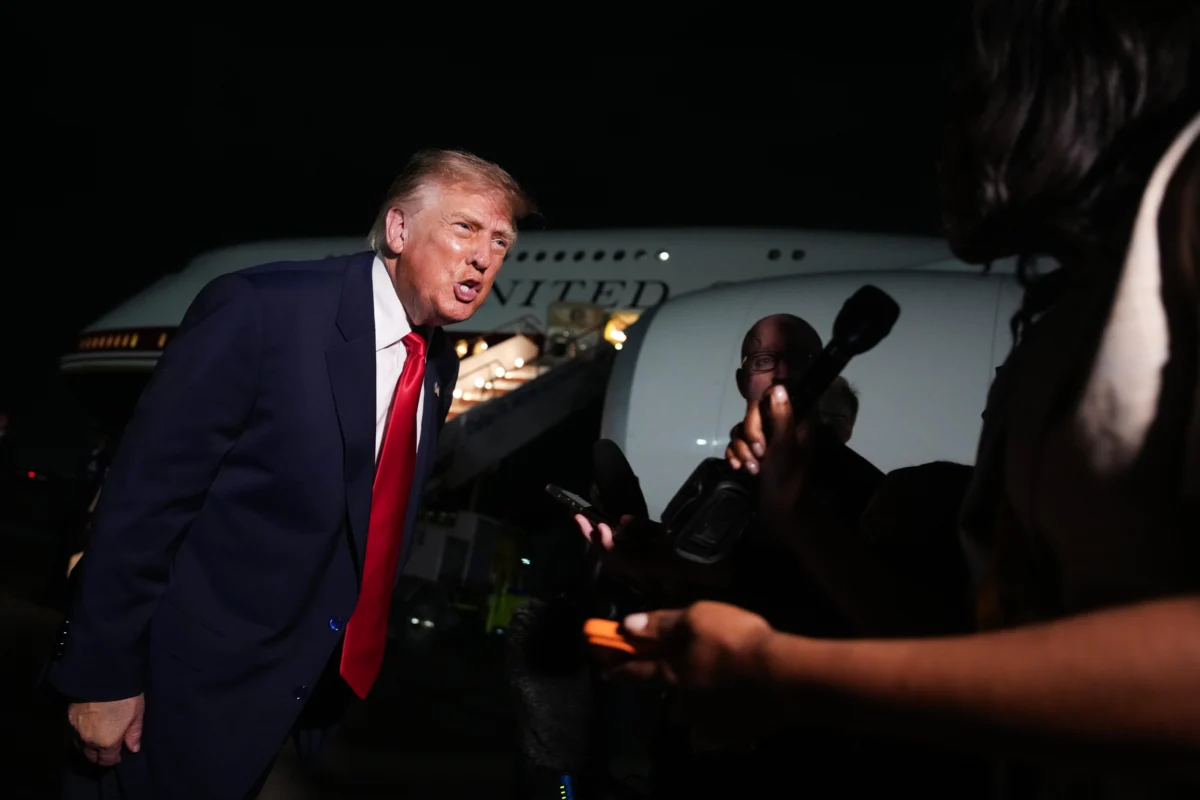
Former President Donald Trump has asserted that the United States launched strikes against Islamic State (ISIS) positions within Nigeria, citing a deliberate effort to counter attacks targeting Christian communities. This declaration, made in a recent public statement, positions the military action as a direct response to religiously motivated violence, raising significant questions about U.S. foreign policy objectives and the evolving nature of counterterrorism operations in Africa.
The former President’s assertion injects a new layer of complexity into the ongoing discourse surrounding security challenges in Nigeria and the broader Sahel region. While the specifics of any potential U.S. military engagement are typically classified, Trump’s public pronouncement suggests a shift in how such operations might be framed, emphasizing a specific religious dimension to the conflict. This framing is likely to resonate with a particular segment of the American electorate and underscores the highly politicized nature of foreign policy decisions.
Nigeria, Africa’s most populous nation, has been grappling with a multifaceted insurgency for over a decade. The Boko Haram insurgency, and its splinter factions including the Islamic State West Africa Province (ISWAP), have been responsible for widespread violence, displacement, and humanitarian crises. While these groups have historically targeted government institutions, security forces, and civilians indiscriminately, there has been a documented increase in attacks specifically attributed to religious animosity, with Christian communities frequently bearing the brunt of the violence. This has led to accusations of ethnic and religious cleansing, further exacerbating tensions within the country.
The reported U.S. strikes, if confirmed and undertaken with specific intent to protect Christians, would represent a significant development. Historically, U.S. counterterrorism efforts in regions like the Sahel have been framed within broader objectives of combating extremist ideologies, preventing the establishment of safe havens for terrorist groups, and promoting regional stability. The explicit linking of military action to the protection of a specific religious demographic introduces a new, potentially controversial, dimension.
Analyzing the strategic implications of such a move requires a nuanced understanding of the region’s security landscape. The Sahel, a vast and arid transitional zone between the Sahara Desert and the Sudanian savanna, has become a hotbed of extremist activity. Various groups, often with shifting allegiances, exploit porous borders, weak governance, and socioeconomic grievances to recruit and operate. The conflict in Nigeria is intrinsically linked to these regional dynamics, with spillover effects impacting neighboring countries like Niger, Chad, and Cameroon.
The involvement of external powers in internal conflicts, particularly when framed along religious lines, carries significant risks. It can be perceived by some as foreign interference, potentially fueling nationalist sentiments and inadvertently strengthening extremist narratives that portray external actors as adversaries of the local population. Furthermore, such interventions can complicate diplomatic efforts aimed at fostering inclusive governance and addressing the root causes of instability, such as poverty, marginalization, and inter-communal disputes.
The Nigerian government itself has been under immense pressure to address the escalating violence. While it has engaged in military operations against insurgent groups, the effectiveness of these efforts has been hampered by a range of challenges, including logistical constraints, alleged corruption, and a lack of comprehensive strategy that addresses the underlying socio-economic factors driving recruitment. The international community has provided varying levels of support, including intelligence sharing, training, and equipment, but a coordinated and sustained approach has often been elusive.
The former President’s statement also raises questions about the decision-making process and the extent to which such operations are integrated into a broader, coherent foreign policy strategy. If U.S. military assets are being deployed with the explicit aim of protecting Christian communities, it implies a significant reorientation of priorities. This could have implications for alliances, diplomatic relations, and the allocation of resources in the fight against terrorism.
Expert analysis suggests that the targeting of religious groups by extremist organizations is often a deliberate tactic to sow division, provoke retaliation, and gain a propaganda advantage. By highlighting the plight of Christians, Trump’s statement may be attempting to rally support for a more interventionist approach, potentially drawing parallels with historical instances where religious freedom was a stated justification for foreign policy actions.
However, the complexities of the Nigerian conflict are not solely religious. While religious identity plays a significant role in the motivations and narratives of some extremist factions and in the experiences of victims, the conflict is also deeply intertwined with ethnic rivalries, competition for resources, and political power struggles. A singular focus on religious persecution, while important, may risk oversimplifying the multifaceted nature of the crisis and overlooking other critical drivers of violence.
The long-term implications of U.S. military intervention, even if limited in scope and duration, could be profound. It could embolden other actors to seek similar external support, potentially leading to further fragmentation of security efforts. It could also create expectations that may be difficult to fulfill, leading to disillusionment and increased instability if the desired outcomes are not achieved.
Looking ahead, the situation in Nigeria demands a comprehensive strategy that goes beyond military solutions. This includes strengthening governance, promoting economic development, fostering inter-communal dialogue, and addressing the grievances that extremists exploit. The role of external actors, including the United States, should ideally be supportive of these broader objectives, rather than acting as the primary security guarantor.
The former President’s public declaration, while assertive, does not provide clarity on the operational details, legal basis, or long-term strategic vision behind any purported U.S. strikes. Without official confirmation and further elaboration, it remains a statement of intent and a political framing of a complex security challenge. The international community, regional partners, and Nigeria itself will be closely observing any further developments and seeking a clearer understanding of the rationale and consequences of such actions. The discourse surrounding the conflict in Nigeria is likely to become even more polarized, with implications for both domestic politics in the United States and the ongoing efforts to restore peace and stability in West Africa.
The persistent challenges posed by ISWAP and other extremist groups in Nigeria underscore the interconnectedness of global security. The group’s ability to operate and launch attacks, often with sophisticated tactics and weaponry, highlights the need for sustained international cooperation, intelligence sharing, and capacity building for national security forces. However, the effectiveness of such cooperation is often contingent on a shared understanding of the threat and a unified approach to addressing it.
The former President’s framing of U.S. strikes as a direct response to attacks on Christians in Nigeria also brings to the fore the broader debate about the role of religion in foreign policy and national security. While the protection of human rights, including religious freedom, is a stated value of many democratic nations, the application of military force based on religious affiliation can be a sensitive issue, potentially leading to accusations of bias or selective intervention.
Moreover, the effectiveness of military action in combating extremist ideologies is often debated. While kinetic operations can disrupt terrorist networks and degrade their capabilities in the short term, they may not address the underlying factors that contribute to radicalization and recruitment. A more sustainable approach often involves a combination of security measures, socio-economic development, and efforts to counter extremist narratives.
The humanitarian cost of the ongoing conflict in Nigeria is immense. Millions have been displaced, and countless lives have been lost. The international community has a responsibility to provide humanitarian assistance and support efforts aimed at achieving a lasting peace. However, the path to such a peace is complex and requires a multi-pronged strategy that addresses the security, economic, and social dimensions of the conflict.
The former President’s statement, by emphasizing the religious dimension of the conflict, could potentially influence the way the international community perceives and responds to the crisis in Nigeria. It may lead to increased pressure for interventions that prioritize the protection of religious minorities, but it could also inadvertently alienate other segments of the population or complicate efforts to build broader consensus for peace.
Ultimately, the situation in Nigeria demands a nuanced and comprehensive approach. While the former President’s assertion highlights a specific concern, the broader context of the conflict, its drivers, and its implications for regional and global security require careful consideration and a commitment to sustainable solutions that address the root causes of violence and promote inclusive development. The effectiveness of any U.S. military engagement, regardless of its stated justification, will depend on its integration into a broader strategy that supports Nigeria’s own efforts to achieve lasting peace and stability. The international community’s role should be to empower and support these national efforts, rather than to dictate or unilaterally impose solutions. The path forward requires careful diplomacy, sustained commitment, and a deep understanding of the complex realities on the ground.

 Aura Kasih
 Safa Marwah
 Ayu Aulia