Lisa Mariana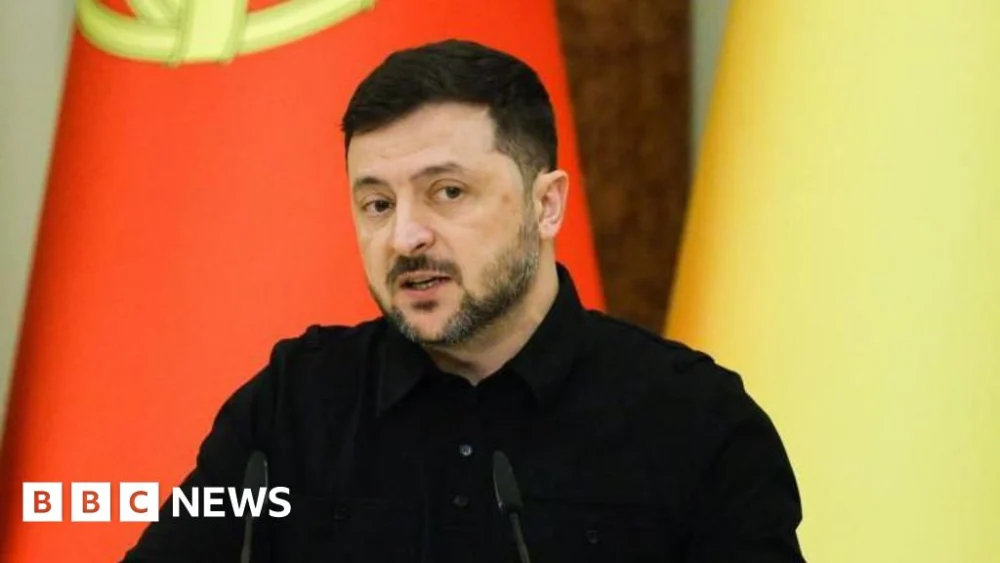
Kyiv’s leadership has signaled a notable shift in the protracted diplomatic efforts aimed at resolving the full-scale conflict with Russia, following a substantive dialogue between Ukrainian President Volodymyr Zelensky and American envoys. The Ukrainian head of state offered a cautiously optimistic assessment of the discussions, indicating that the nearly hour-long exchange with US representatives Steve Witkoff and Jared Kushner had generated "novel conceptual frameworks" concerning the structure, composition, and timeline for advancing a substantive peace process. This development coincides with reports of an updated peace proposal gaining traction, highlighting renewed impetus from Washington to facilitate a de-escalation of hostilities that have profoundly reshaped the geopolitical landscape of Eastern Europe.
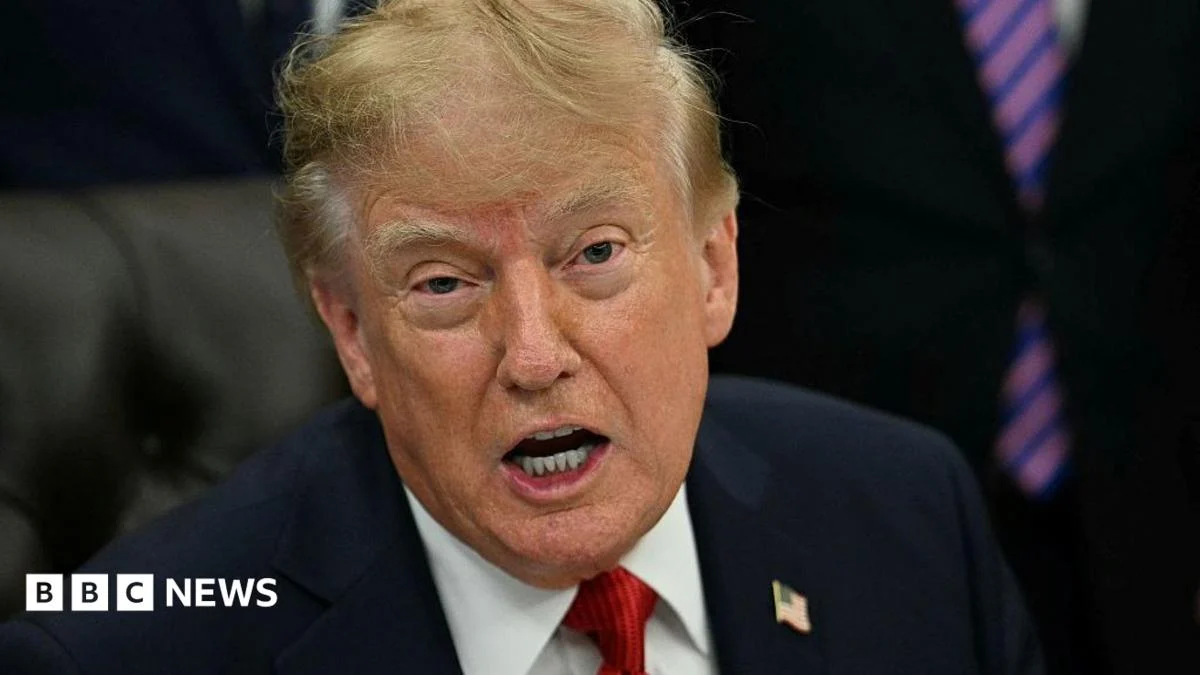
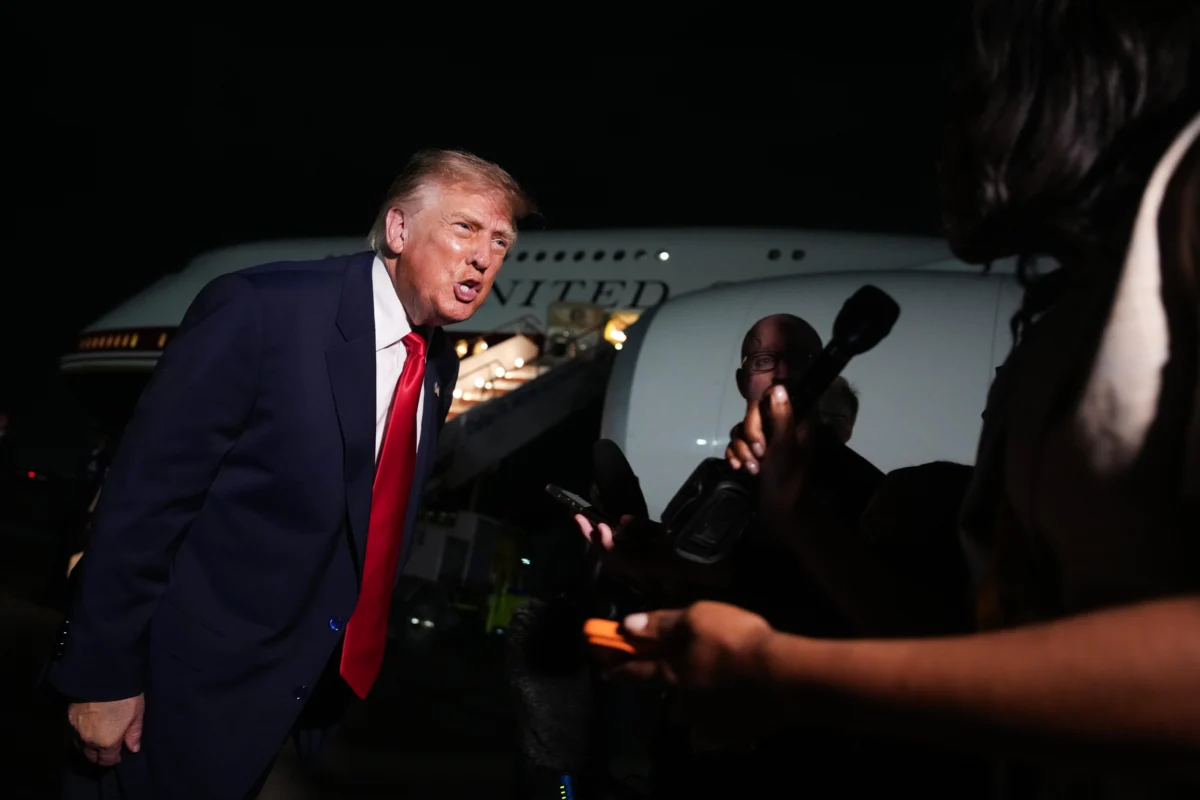
The recent engagement underscores a period of intensified, albeit often discreet, diplomatic maneuvering involving key figures from both the current and previous American administrations. President Zelensky’s affirmation of an impending meeting with former President Donald Trump further accentuates the multi-faceted nature of the current peace initiatives. The broader context reveals that Trump and his designated emissaries have been actively engaging with both Ukrainian and Russian delegations, seeking to lay the groundwork for a potential cessation of the conflict ignited by Russia’s comprehensive invasion in February 2022. This parallel track of diplomacy, operating alongside established governmental channels, introduces a unique dynamic to the complex negotiation landscape.
Earlier in the week, President Zelensky had provided preliminary insights into a revised 20-point peace blueprint, a framework reportedly solidified during discussions between US and Ukrainian representatives in Florida. This updated proposal represents a significant evolution from earlier drafts, particularly one previously attributed to Witkoff, which was widely perceived in Kyiv and among its European allies as disproportionately favoring Russia’s maximalist pre-invasion demands, thereby implying a de facto capitulation of Ukrainian sovereignty. The Kremlin, for its part, has confirmed that it is meticulously scrutinizing proposals brought back from the United States by its own envoy, Kirill Dmitriev, indicating a cautious but undeniable engagement with the evolving diplomatic landscape.
The reported "new ideas" emanating from the recent US-Ukraine dialogue signal a potential recalibration of strategies for achieving a durable peace. Zelensky’s emphasis on "formats, meetings, and timing" suggests an exploration of innovative diplomatic architectures beyond traditional bilateral or multilateral summitry. This could involve tiered negotiation processes, specialized working groups, or a sequential approach to addressing core disagreements, designed to overcome the deeply entrenched mistrust and conflicting objectives that have plagued previous attempts at resolution. The very prospect of a near-term meeting between Zelensky and Trump highlights the former US President’s self-styled role as a potential dealmaker, an influence that carries considerable weight given his declared intent to swiftly end the conflict should he return to office.
The updated 20-point peace plan represents the core of these renewed diplomatic efforts. While details remain partially undisclosed, Zelensky’s prior statements offer critical insights into its evolving contours. Central to the revised framework is the potential for a phased withdrawal of Ukrainian military forces from specific areas in the eastern regions, to be supplanted by the establishment of demilitarized zones. This proposition, if implemented, would mark a profound strategic shift, necessitating robust international monitoring and verification mechanisms to ensure compliance and prevent future incursions. The historical precedent of demilitarized zones, such as the one separating North and South Korea, demonstrates both their potential to stabilize volatile borders and the inherent challenges in maintaining their integrity without a foundational political settlement.
Crucially, the updated plan is said to incorporate enhanced security guarantees for Ukraine, a non-negotiable demand from Kyiv since the initial invasion. These assurances, reportedly from the United States, NATO member states, and European partners, would commit to a coordinated military response should Russia initiate another aggression against Ukraine. This provision represents a significant departure from previous, less binding security arrangements, such as the Budapest Memorandum, which failed to prevent the 2014 annexation of Crimea or the 2022 full-scale invasion. For Ukraine, such guarantees are paramount, viewed not merely as a deterrent but as the cornerstone of its long-term sovereignty and territorial integrity within any future security architecture. The precise nature of these guarantees—whether they would mirror Article 5 of the NATO treaty, involve bilateral defense pacts, or take the form of a collective security framework—remains a critical point of deliberation and negotiation.
Another sensitive, yet potentially transformative, element of the updated proposal involves the concept of a "free economic zone" for the industrial eastern Donetsk region. This region, alongside Luhansk, collectively known as Donbas, has been a flashpoint of conflict since 2014 and remains largely under Russian occupation. While the establishment of such a zone could theoretically foster economic development and offer a pathway to reintegration, it simultaneously raises profound questions regarding sovereignty and administrative control. President Zelensky emphatically stressed that any area from which Ukrainian troops might withdraw would still require policing by Ukrainian authorities, underscoring Kyiv’s unwavering commitment to its territorial claims even amidst proposals for functional autonomy or special economic status. The complex interplay between economic incentives, administrative control, and overarching sovereignty presents one of the most formidable challenges in reconciling the conflicting interests of the warring parties.
The current military realities on the ground provide a stark backdrop to these diplomatic endeavors, influencing both the urgency and the leverage of the negotiating parties. Moscow presently controls approximately 75% of the Donetsk region and an estimated 99% of the neighboring Luhansk region. These territorial gains, achieved through protracted and brutal fighting, significantly shape Russia’s bargaining position. Concurrently, President Vladimir Putin has repeatedly issued stern warnings that Ukrainian forces must withdraw from Donbas, threatening further military action to seize remaining territories. This maximalist stance directly clashes with Kyiv’s fundamental refusal to cede any sovereign territory, a red line that Zelensky has consistently articulated.
The diplomatic push from Washington, particularly from figures associated with the Trump orbit, places President Zelensky in a delicate balancing act. While engaging with these American envoys, he must navigate intense domestic pressure to avoid any territorial concessions, a sentiment deeply rooted in national resolve and the immense sacrifices made during the conflict. Simultaneously, he faces external pressure, reportedly from Trump, to consider ceding all of Donbas as part of a comprehensive peace settlement. Zelensky’s consistent demand for "iron-clad security guarantees" in exchange for any potential settlement underscores his strategic priority: securing Ukraine’s long-term viability and deterring future aggression, rather than merely achieving a temporary ceasefire. Rustem Umerov, Ukraine’s top negotiator and security official, is slated to continue these critical discussions with the American team, signifying the ongoing and high-level nature of these deliberations.
From the Russian perspective, the Kremlin’s response, as articulated by spokesman Dmitry Peskov, has been measured. Peskov confirmed that Moscow is actively "examining" the proposals conveyed by Russian envoy Kirill Dmitriev, indicating a process of internal review and strategic deliberation. "We are examining this material, and depending on the decisions made by the head of state, we will continue our communication with the Americans," Peskov stated, highlighting that any engagement would be contingent upon President Putin’s ultimate directives. This cautious approach reflects Russia’s historical propensity for strategic patience and its desire to extract maximum concessions in any negotiated settlement, particularly given its territorial gains and stated objectives of "demilitarization" and "denazification."
Despite the nascent diplomatic stirrings, the conflict’s brutal reality persists. On the battlefield, Ukrainian forces launched a cruise missile attack on the Novoshakhtinsk oil refinery in Russia’s southern Rostov region, a critical facility for supplying fuel to Russian military operations in occupied eastern Ukraine. This strike demonstrates Ukraine’s continued capacity to target strategic Russian infrastructure, even as its forces contend with relentless pressure on the front lines. Concurrently, the Russian Ministry of Defense announced the capture of Sviato-Pokrovske in the Donetsk region, a tactical gain that follows Ukraine’s recent withdrawal from the embattled eastern town of Siversk. The fall of Siversk brings Russian forces closer to the "fortress belt" cities of Sloviansk and Kramatorsk, which remain under Ukrainian control and represent vital strategic strongholds in the Donetsk region. These ongoing military maneuvers serve as a stark reminder that any diplomatic breakthrough must contend with the fluid and often brutal realities on the ground, where territorial control and tactical advantages continue to shape the contours of the conflict.
The convergence of intensified diplomatic efforts, evolving peace proposals, and persistent military engagements paints a complex picture for the future of the Russia-Ukraine conflict. While the "new ideas" and updated peace plan offer a glimmer of hope, fundamental disagreements persist regarding territorial integrity, sovereignty, and the future security architecture of Europe. The involvement of Donald Trump and his envoys adds an unpredictable dimension, potentially accelerating a resolution but also raising questions about its long-term viability and international consensus. Ultimately, a lasting peace will require not only innovative diplomatic solutions but also a significant shift in the core objectives and trust levels of the primary belligerents, a prospect that remains profoundly challenging given the profound human and geopolitical costs of the ongoing war. The coming weeks will be critical in determining whether these latest diplomatic overtures can translate into tangible progress towards de-escalation or merely represent another chapter in the protracted struggle for peace.


 Aura Kasih
 Safa Marwah
 Ayu Aulia