Aura Kasih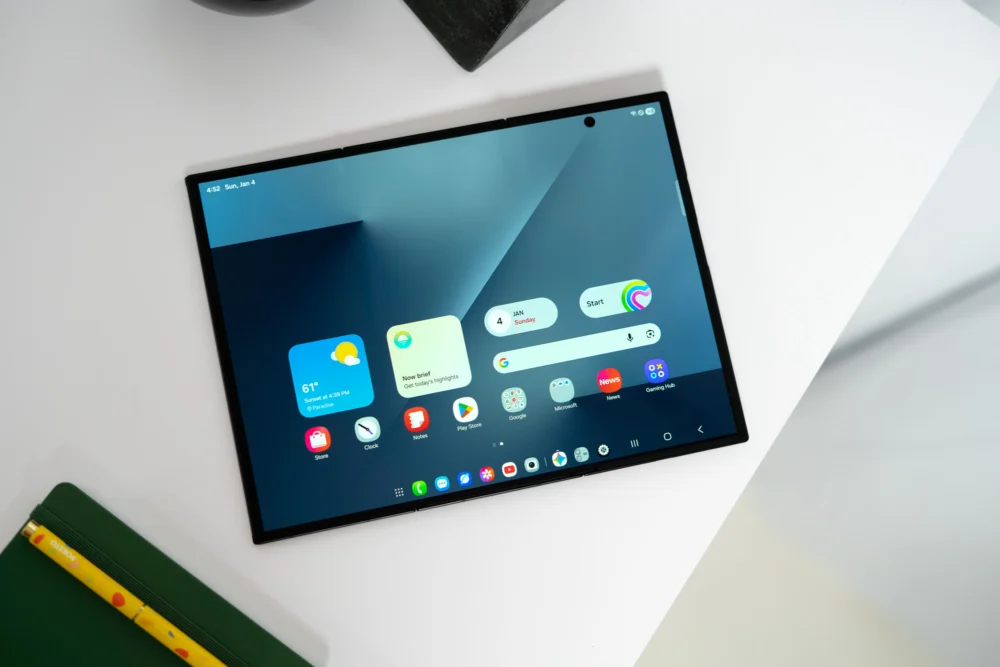
The highly anticipated Samsung Galaxy Z Trifold is poised to enter the market with a price point that places it firmly in the luxury technology segment, reflecting its groundbreaking design and advanced engineering.
The unveiling of Samsung’s latest foldable innovation, the Galaxy Z Trifold, has been met with a mixture of excitement and trepidation, primarily due to its projected retail cost. Scheduled for release on Friday, January 26th, this ambitious device will be available for a staggering $2,899. This substantial investment not only secures consumers a device with a generous 512GB of internal storage but also grants them access to a form factor that dynamically blurs the lines between a smartphone and a tablet. The Trifold’s journey from its initial concept to market availability has been remarkably swift, especially considering the nascent stage of the tri-folding smartphone category. While its predecessor, the Galaxy Z Fold series, has established a precedent for premium pricing in the foldable market, the Trifold’s unique three-panel folding mechanism represents a significant leap forward, justifying its elevated cost for early adopters and tech enthusiasts.
Samsung initially showcased a concept for the Trifold nearly a year prior to its official launch, marking an impressive development cycle for such a complex piece of technology. This rapid transition from concept to consumer product underscores Samsung’s commitment to pushing the boundaries of mobile innovation. The tri-folding display technology itself is still a relatively uncharted territory, with only a handful of manufacturers venturing into this intricate design. Notably, the only other commercially available tri-folding phone currently is not distributed in the United States, meaning potential buyers in the US seeking this specific form factor would likely face even higher costs due to import duties and international shipping. For consumers in the US eager to be at the forefront of foldable technology, the Galaxy Z Trifold presents the immediate opportunity, albeit at a significant financial outlay.
The economic implications of such a high-priced device extend beyond the immediate consumer. For Samsung, the Trifold represents a strategic play to capture a niche but influential segment of the market – the premium tech enthusiast and the business professional seeking unparalleled mobile productivity. The development and manufacturing of such a sophisticated device involve significant research and development expenditure, coupled with the high cost of producing flexible display technology and intricate hinge mechanisms. The $2,899 price tag is therefore a direct reflection of these substantial investment costs, alongside the perceived value of offering a device that can transform from a compact smartphone into a larger, tablet-like canvas. This pricing strategy also positions the Trifold as a status symbol, appealing to a demographic that values cutting-edge technology and is willing to pay a premium for exclusivity and innovation.
Analyzing the technological underpinnings of the Galaxy Z Trifold provides further insight into its cost. The core of the device is its multi-panel foldable display. Unlike the dual-fold designs seen in previous generations of Samsung’s foldables, the Trifold incorporates a third segment, allowing for more versatile configurations. This requires a more complex hinge mechanism capable of supporting multiple folds while maintaining durability and a seamless user experience. The engineering challenges associated with creating a hinge that can withstand thousands of folds without compromising the display integrity are immense. Furthermore, the integration of advanced display technologies, such as ultra-thin glass (UTG) and flexible OLED panels, contributes significantly to the overall manufacturing cost. These materials are not only expensive to produce but also require specialized manufacturing processes to ensure their longevity and performance.

Beyond the display and hinge, the Trifold likely incorporates top-tier internal specifications to match its premium exterior. This would typically include the latest flagship processor, ample RAM for multitasking across multiple screens, high-resolution cameras, and a robust battery system designed to power a larger display. The optimization of software to effectively utilize the various screen configurations is another critical component that requires substantial development resources. Samsung’s One UI, tailored for foldable devices, plays a crucial role in enabling users to seamlessly transition between different modes and applications, further enhancing the device’s utility and justifying its premium positioning.
The competitive landscape for foldable smartphones, while still emerging, is intensifying. Samsung, as a pioneer in this space, has a significant advantage. However, other manufacturers are also investing heavily in foldable technology. The Trifold’s pricing strategy might also be influenced by the competitive offerings from these rivals, aiming to position itself as the definitive leader in the tri-fold segment. The fact that comparable devices are either unavailable or prohibitively expensive in key markets like the US further solidifies Samsung’s opportunity to dominate this nascent category.
The implications of the Galaxy Z Trifold’s pricing extend to the broader smartphone market. It signals a clear trend towards segmentation, where devices are increasingly differentiated not just by their specifications but by their form factor and innovative features. While a $2,899 price tag will undoubtedly limit its accessibility to a select group of consumers, it serves to highlight the potential of foldable technology. As manufacturing processes mature and economies of scale are achieved, it is plausible that the cost of foldable devices will decrease over time, making them more attainable for a wider audience. This initial premium pricing, therefore, can be viewed as an investment in the future of mobile computing.
The device’s potential use cases are vast, particularly for professionals. The ability to unfold into a larger screen offers a more immersive experience for tasks such as document editing, presentations, video conferencing, and even light content creation. For multitaskers, the tri-fold design could enable more efficient workflows, allowing users to have multiple applications open and visible simultaneously. This enhanced productivity potential is a key selling point that Samsung will likely emphasize to justify the high cost. The Trifold could redefine mobile workstations, offering a compelling alternative to traditional laptops for users who prioritize portability and versatility.
Looking ahead, the success of the Galaxy Z Trifold will depend on several factors. Consumer adoption rates, the long-term durability of the device, and the continuous evolution of foldable display technology will all play a crucial role. Samsung’s ability to continue innovating and refining its foldable offerings will be paramount in maintaining its leadership position. Furthermore, the development of a robust ecosystem of apps optimized for foldable displays will be essential in unlocking the full potential of devices like the Trifold. As more developers embrace the unique capabilities of these devices, their utility and appeal will undoubtedly grow.
The introduction of the Galaxy Z Trifold at such a significant price point is a bold statement from Samsung. It underscores the company’s ambition to lead the next wave of mobile innovation and to cater to a segment of the market that demands the absolute best in technology and design. While the financial barrier is undeniable, the Trifold represents a glimpse into the future of personal computing, where devices are no longer confined to rigid form factors but can adapt and transform to meet the diverse needs of users. The coming months will reveal how consumers respond to this ambitious and expensive proposition, and whether the Galaxy Z Trifold can truly usher in a new era of foldable technology.



 Lisa Mariana
 Safa Marwah
 Ayu Aulia