Aura Kasih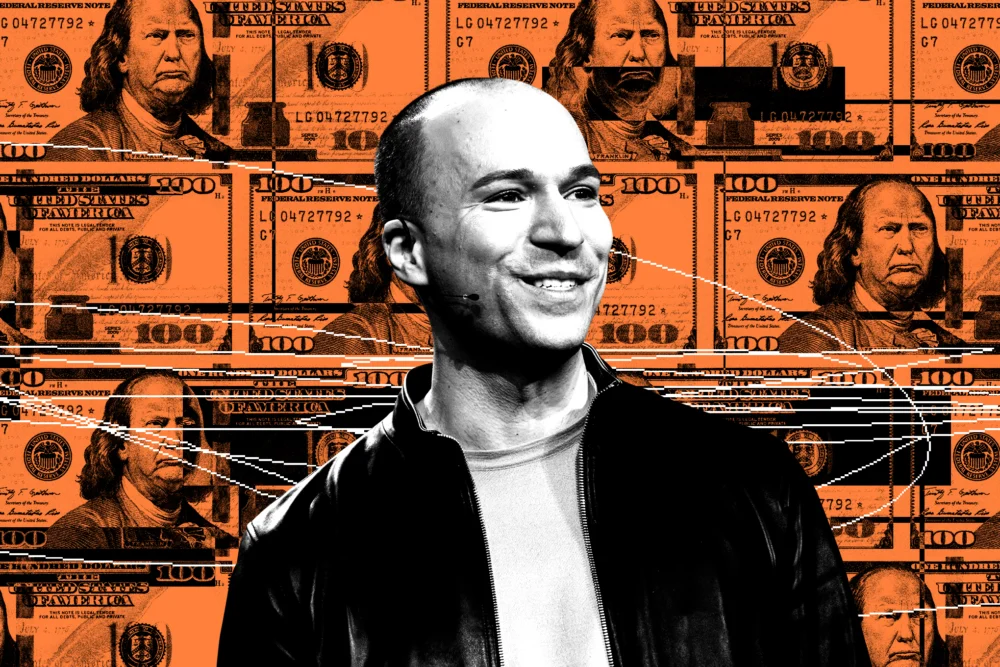
A significant financial contribution from Greg Brockman, co-founder and president of leading artificial intelligence research firm OpenAI, to a prominent pro-Donald Trump super political action committee has ignited considerable discussion within the technology sector and policy circles, highlighting a growing convergence between influential figures in AI development and a political landscape increasingly focused on the future of the industry. The substantial donation, made by Brockman and his wife Anna, reportedly amounting to $25 million in September 2025 to "MAGA Inc.," represents a substantial portion of the PAC’s fundraising for that period and underscores a strategic alignment with a political movement advocating for a specific approach to technological governance.
This substantial financial commitment by a key executive in one of the world’s most influential AI companies arrives at a pivotal moment for the sector. The Trump administration has signaled a strong intent to foster rapid AI development, often by advocating for the deregulation of the industry at both federal and state levels. This approach directly counters the concerns of many who believe that robust regulatory frameworks are essential to manage the potential risks and societal impacts of advanced AI. OpenAI, alongside many other major technology firms, has been a vocal proponent of a less restrictive regulatory environment, arguing that excessive oversight could stifle innovation and hinder the nation’s competitive edge in this critical field. The implications of such significant financial backing extend beyond mere political support; they signal a desire to influence policy decisions that will shape the trajectory of AI development for years to come.
Brockman’s engagement with the political arena extends beyond this singular large donation to MAGA Inc. He has also been a prominent financial backer of "Leading the Future," a super PAC dedicated to promoting AI development and actively lobbying against state-level AI regulations. This PAC has notably targeted lawmakers who have championed such legislative measures, including New York State Assemblymember Alex Bores. Bores was a cosponsor of the RAISE Act in New York, a bill aimed at establishing AI safety standards. While the bill was ultimately modified in its final stages, largely due to concerted lobbying efforts, this instance exemplifies the proactive stance taken by AI proponents to shape the legislative landscape in their favor. Brockman’s multifaceted involvement suggests a deliberate and sustained strategy to influence both national and sub-national policy decisions concerning artificial intelligence.
The timing of these revelations has also brought to the fore broader discussions about the ethical responsibilities of tech leaders, particularly in light of recent events. The tragic death of Alex Pretti in Minneapolis, during a federal operation, has galvanized tech workers across the industry, including many within OpenAI. These workers have organized, signing a letter urging their leadership to cease contracts with Immigration and Customs Enforcement (ICE) and to publicly denounce the department’s actions. This movement draws a parallel to past instances, such as when tech leaders collectively engaged with the White House following former President Trump’s threats to deploy the National Guard in San Francisco. The contrast between these employee-led calls for ethical engagement and the substantial political donations from company leadership highlights a potential internal divergence in how the ethical implications of technology and its deployment should be addressed. This tension underscores the complex relationship between technological advancement, corporate responsibility, and public policy.
The historical pattern of engagement between tech leaders and the Trump administration reveals a recurring theme of mutual interest. Since Trump’s initial inauguration, numerous tech executives have demonstrated their support through financial contributions to his inauguration fund, high-profile meetings at Mar-a-Lago, and attendance at White House events. This engagement has often coincided with the administration’s proactive stance on rolling back regulatory measures and consumer protections. Trump’s AI Action Plan, for instance, resurrected a prior Republican initiative to preemptively prevent states from enacting their own AI regulations. This policy, which garnered approval from many in the tech industry, posited that "AI is far too important to smother in bureaucracy at this early stage." The plan also suggested that federal AI funding should not be directed to states with "burdensome AI regulations that waste these funds," while simultaneously asserting that it should "not interfere with states’ rights to pass prudent laws that are not unduly restrictive to innovation." This dual approach, ostensibly balancing innovation with prudence, has been viewed by critics as a thinly veiled attempt to create a uniform, deregulated national environment for AI development. Legislation like California’s SB 53, a landmark AI transparency bill signed into law by Governor Gavin Newsom despite significant lobbying against it by tech companies, including OpenAI, falls squarely within the scope of regulations that this federal directive aims to preempt.
Brockman’s earlier public statements offer a fascinating contrast to his current political activities. In 2019, he co-authored a blog post emphasizing the difficulty of altering established systems once they are in place and the critical importance of addressing the safety and policy risks associated with Artificial General Intelligence (AGI) before its creation. This perspective underscored a cautious and deliberative approach to the profound implications of advanced AI. However, his recent public commentary reflects a discernible shift in tone. In a New Year’s Eve post on X, Brockman articulated a new focus: "this year, my wife Anna and I started getting involved politically, including through political contributions, reflecting support for policies that advance American innovation and constructive dialogue between government and the technology sector." He further expressed optimism regarding "the president’s and his administration’s willingness to engage directly with the AI community." This evolution in Brockman’s public stance, from emphasizing pre-emptive safety considerations to actively engaging in political financing to promote innovation, suggests a strategic reorientation in his approach to navigating the complex landscape of AI development and its societal integration.
The substantial financial backing of OpenAI’s president towards a campaign advocating for a less regulated AI environment, coupled with his direct involvement in lobbying efforts against state-level AI governance, paints a complex picture of influence and strategy. This alignment with a political faction that champions rapid, unfettered technological advancement raises critical questions about the future of AI governance. As AI continues its exponential growth, the interplay between technological pioneers, their financial investments, and the legislative frameworks designed to guide their creations will undoubtedly remain a central and contentious issue. The ability of companies like OpenAI to shape policy through significant financial contributions, while simultaneously facing internal pressure from employees concerned with ethical deployment, highlights the multifaceted challenges in ensuring that AI development serves the broader public interest. The coming years will likely see continued debate and potential policy shifts as governments grapple with the profound societal transformations that advanced AI promises and portends. The financial decisions made by key figures in the AI industry, such as Greg Brockman, will play a crucial role in shaping the outcome of these critical dialogues and policy decisions, impacting not only the technological landscape but also the very fabric of society.



 Lisa Mariana
 Safa Marwah
 Ayu Aulia