Ridwan Kamil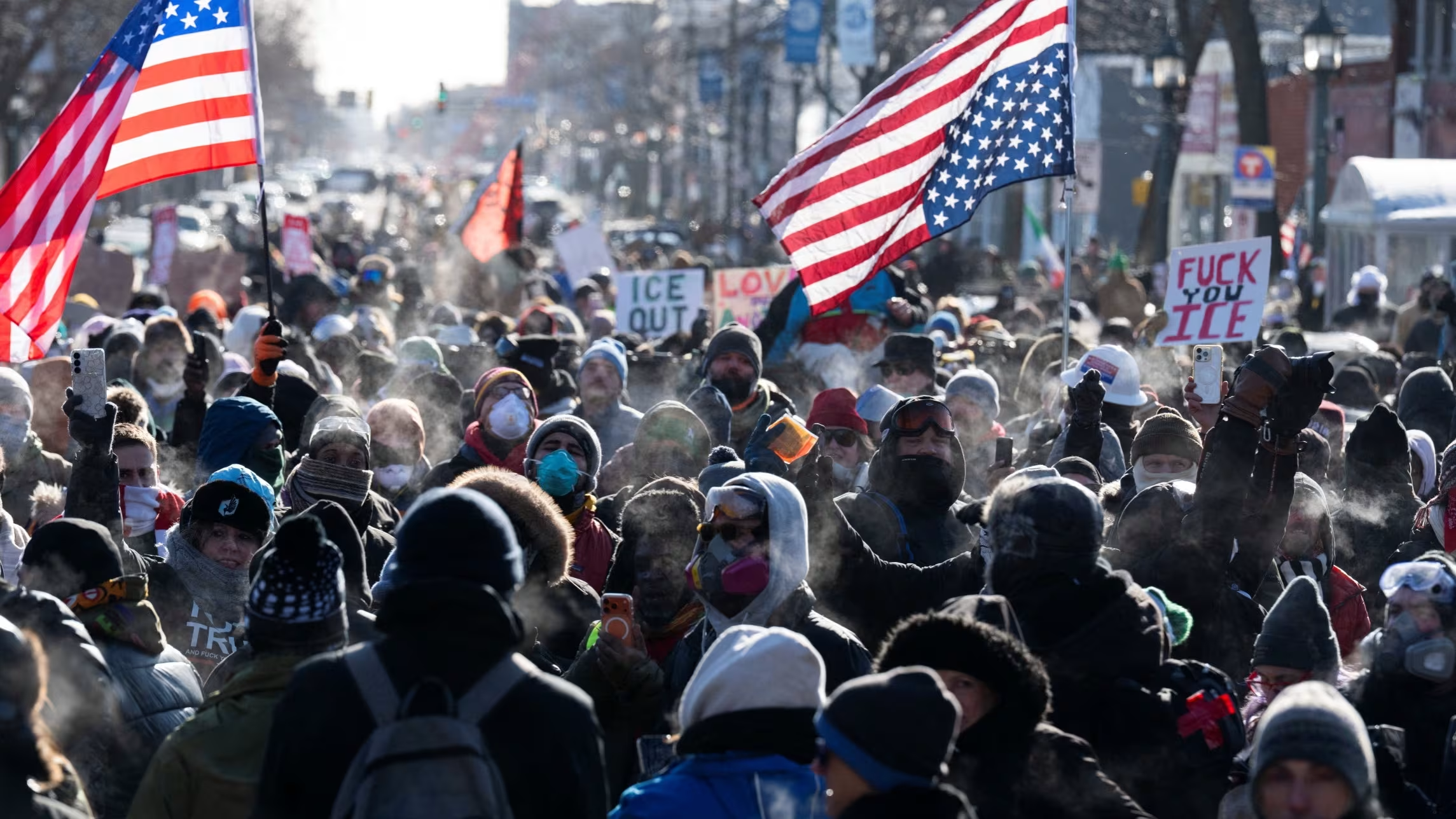
In the wake of a recent fatal shooting in Minneapolis, a groundswell of protest has emerged, with demonstrators vociferously calling for an immediate cessation of immigration enforcement measures. This tragic event has become a flashpoint, amplifying existing concerns and igniting widespread public discourse surrounding the intersection of immigration policy and community safety. Advocates and affected residents are leveraging this incident to demand a fundamental re-evaluation of current government approaches to immigration, arguing that a more compassionate and inclusive strategy is not only morally imperative but also crucial for fostering cohesive and secure urban environments.
The shooting, which has sent ripples of shock and grief through the Minneapolis community, has inadvertently served as a catalyst for a broader conversation about immigration. While the specifics of the alleged perpetrator’s immigration status are still under scrutiny and subject to ongoing investigation, the incident has been seized upon by various groups to highlight perceived consequences of stringent immigration policies. Protesters argue that a climate of fear and heightened enforcement can inadvertently create divisions within communities, potentially hindering cooperation with law enforcement and fostering an environment where underlying issues contributing to crime are not adequately addressed.
At the heart of the protesters’ demands is the assertion that current immigration policies, often characterized by increased surveillance, detention, and deportation, are not only inhumane but also counterproductive. They contend that these measures create undue hardship for immigrant families, disrupt established communities, and can contribute to a sense of alienation and marginalization. The argument is that by focusing on enforcement-driven strategies, authorities may be overlooking more effective, long-term solutions that address the root causes of crime and social instability. This perspective suggests a need to shift from a punitive approach to one that prioritizes integration, social support, and community-building initiatives.
Experts in criminology and sociology have long posited that community trust and cooperation are vital for effective crime prevention. When segments of the population feel targeted or threatened by law enforcement, their willingness to report suspicious activity, provide witness testimony, or engage with authorities can diminish significantly. This dynamic, critics of current immigration enforcement policies argue, can create blind spots for law enforcement, making it more challenging to identify and apprehend individuals involved in criminal activities, regardless of their immigration status. Therefore, the protesters’ call to end the immigration crackdown is framed not just as an appeal for humanitarian treatment but also as a pragmatic strategy for enhancing overall public safety.
Furthermore, the economic and social integration of immigrants is often cited as a key factor in fostering stable communities. When immigrants are able to secure stable employment, access education, and participate fully in civic life, they are more likely to contribute positively to society and less likely to become involved in criminal activities. Stringent immigration enforcement, however, can create barriers to these essential integration processes. Fear of deportation can discourage immigrants from seeking formal employment, pursuing further education, or reporting instances of exploitation. This can lead to precarious living conditions and a lack of social mobility, which, in turn, can exacerbate existing societal vulnerabilities. The Minneapolis incident, from this viewpoint, underscores the need for policies that facilitate, rather than impede, immigrant integration.
The narrative presented by advocacy groups often emphasizes the diverse contributions of immigrants to the social and economic fabric of cities like Minneapolis. They highlight the roles immigrants play in various sectors, from essential services and agriculture to entrepreneurship and cultural enrichment. By framing immigration enforcement as a disruptive force, protesters aim to draw attention to the potential negative consequences of such policies on community vitality and economic dynamism. The argument is that a more welcoming and supportive environment for immigrants ultimately benefits the entire society by fostering a more robust and inclusive economy, as well as a richer cultural landscape.
The calls for an end to the immigration crackdown are also rooted in broader concerns about human rights and due process. Critics often point to instances of alleged mistreatment, family separations, and the detention of asylum seekers as evidence of a system that prioritizes enforcement over fundamental human dignity. The Minneapolis shooting, while a specific incident, is being used as a symbolic representation of a larger systemic issue that, according to these groups, requires urgent attention and reform. They advocate for a more humane and rights-respecting approach to immigration, one that upholds the principles of justice and fairness for all individuals.
Looking ahead, the situation in Minneapolis highlights a critical juncture in the ongoing debate surrounding immigration policy in the United States. The energy generated by these protests suggests a growing public demand for a more nuanced and comprehensive approach. It remains to be seen how lawmakers and government agencies will respond to these intensified calls for change. However, the trajectory of future immigration policy will likely be shaped by the ability of policymakers to address the complex interplay of public safety concerns, humanitarian considerations, and the economic and social realities of immigration. The Minneapolis shooting, while a tragedy, may serve as a pivotal moment, forcing a deeper and more constructive dialogue about how to build safer, more inclusive, and more equitable communities for all residents, regardless of their origin. The path forward will require a delicate balance of enforcement, integration, and a commitment to humane principles, ensuring that policy decisions are guided by evidence, compassion, and a shared vision of a stronger society.



 Lisa Mariana
 Aura Kasih
 Safa Marwah
 Ayu Aulia