Aura Kasih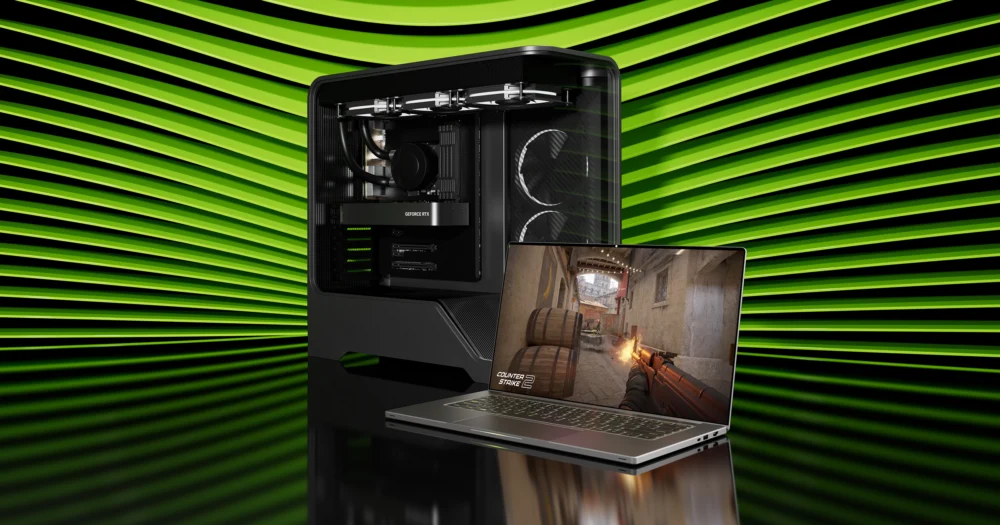
For years, the Windows laptop market has been a duopoly, with Intel and AMD CPUs forming the backbone of virtually every machine. However, the tide is turning. The advent of capable Qualcomm Snapdragon processors has already introduced compelling Arm-based alternatives, evidenced by the growing number of competent Windows laptops utilizing these chips. Now, Nvidia is set to enter this burgeoning ecosystem, not by partnering with existing CPU manufacturers, but by fielding its own comprehensive Arm-based SoCs. This development suggests a concerted effort to offer a holistic computing experience, potentially challenging the established order and ushering in an era where Arm architecture becomes a formidable contender in the premium Windows laptop segment.
Whispers of Nvidia’s ambitions in the laptop space have been circulating for some time, but a recent deluge of information, primarily stemming from a Lenovo leak, has solidified these expectations. Dataminer Huang514613 unearthed product codenames that point to a significant rollout of Nvidia-powered laptops, with at least six distinct models identified. These devices are reportedly built around Nvidia’s upcoming N1 and N1X processors, indicating a dual-tier strategy to cater to different market segments. The leaked product names include variations of the Ideapad Slim 5 in 14-inch and 16-inch configurations, two distinct 15-inch Yoga Pro 7 models, and a versatile Yoga 9 transforming 2-in-1 device. Most notably, the leak also revealed a 15-inch gaming machine, tentatively identified as a "Legion 7 15N1X11," a designation that strongly suggests the integration of Nvidia’s N1X gaming-focused SoC.
Further corroboration for these developments comes from an unexpected corner: Lenovo’s own support pages. An update page for the company’s Legion Space control software inadvertently listed the "Legion 7 15N1X11," with the "N1X" clearly referencing Nvidia’s forthcoming gaming silicon. This slip-up provides independent validation of the leaked product names and reinforces the notion that a significant partnership between Lenovo and Nvidia is on the horizon for these Arm-based laptops. The presence of publicly indexed, albeit password-protected, web portals for "Nvidia N1x Portal Prod" and "Nvidia N1x Portal Test" further solidifies the ongoing development and testing phases, suggesting that these devices are well into their production cycle.
The implications of Nvidia’s entry into this market extend beyond just Lenovo. Reports from industry publication Digitimes suggest that Nvidia aims to officially launch its N1 and N1X laptop platforms this spring, with a broader availability expected in the summer. This timeline, while subject to potential adjustments, indicates a strong commitment to bringing these products to market swiftly. Furthermore, the same Digitimes report hints at a robust future roadmap, with N2 and N2X chips slated for late 2027, signifying a long-term strategic vision for Arm-based computing.

Beyond Lenovo, other major players in the laptop manufacturing industry are also reportedly preparing to embrace Nvidia’s Arm SoCs. Dell has been rumored to be developing an Alienware gaming laptop powered by Nvidia’s technology, with an early 2026 launch window. Additionally, there are indications that Dell may have been preparing a premium laptop, potentially a successor to the XPS line, also utilizing the Nvidia N1X. When combined with the Lenovo devices, this brings the total number of potential Nvidia-powered laptops to at least eight, illustrating the broad industry interest and potential for significant market penetration.
The performance capabilities of Nvidia’s N1 and N1X processors are still largely speculative, but preliminary information offers a glimpse into their potential. A recent Geekbench leak, while requiring a degree of caution due to the possibility of fabricated data in such benchmarks, suggested that the N1X variant could boast a formidable number of CUDA cores, potentially rivaling a desktop RTX 5070 graphics card. This leak also indicated the presence of 20 CPU cores, mirroring the architecture of Nvidia’s GB10 "Superchip," which is employed in their DGX Spark mini-PC. The credibility of these specifications is further bolstered by Nvidia CEO Jensen Huang, who has alluded to the N1 chip being intrinsically linked to the GB10 Superchip, effectively confirming that these two entities are closely related, if not the same core technology adapted for different applications.
Nvidia’s foray into Arm-based personal computing is not entirely without precedent. The company has a well-established history of leveraging Arm architecture in consumer electronics. The ubiquitous Nintendo Switch, for instance, is powered by an Nvidia Tegra chip. The Tegra line itself has a legacy that spans back to tablets, including the original Microsoft Surface RT, and Nvidia’s own dedicated gaming hardware like the Shield handheld and the Shield TV set-top boxes. While these previous endeavors often involved collaboration with partners like MediaTek, the current push with the N1 and N1X processors signifies a more direct and comprehensive approach to powering Windows laptops.
The strategic implications of Nvidia’s move are multifaceted. For consumers, it promises a wider array of choices in the laptop market, potentially leading to increased competition and innovation. The performance claims, if realized, could offer power efficiency benefits characteristic of Arm architecture, coupled with the renowned graphical prowess of Nvidia’s silicon. This could translate to laptops with longer battery life, improved thermal management, and enhanced capabilities for demanding tasks such as gaming, content creation, and AI-driven applications.
For the established players, Intel and AMD, this represents a significant challenge. The x86 architecture has long been the default for Windows PCs, but the increasing viability of Arm alternatives, spearheaded by Qualcomm and now potentially Nvidia, could erode their market share. The ability of Arm processors to offer a compelling balance of performance and power efficiency has already proven successful in mobile devices, and their expansion into laptops could signal a broader architectural shift in personal computing.

Nvidia’s experience in developing high-performance GPUs and its deep understanding of silicon architecture position it as a formidable competitor. The integration of CPU and GPU cores onto a single SoC, a hallmark of Arm-based designs, allows for optimized performance and power consumption. This integrated approach is particularly advantageous for mobile devices, where battery life and thermal constraints are paramount.
The success of Nvidia’s N1 and N1X processors will hinge on several factors. Firstly, software compatibility and optimization will be crucial. While Windows on Arm has made significant strides, ensuring seamless operation of a broad range of applications and legacy software will be essential for widespread adoption. Secondly, the performance benchmarks achieved in real-world scenarios will ultimately determine consumer perception and demand. The promise of desktop-class graphics performance in a laptop form factor, coupled with efficient CPU capabilities, is a powerful proposition.
Furthermore, the pricing strategy employed by Nvidia and its manufacturing partners will play a pivotal role. To effectively challenge the established x86 dominance, these new Arm-based laptops will need to offer a compelling value proposition, balancing performance, features, and cost. The potential for Nvidia to leverage its existing relationships within the PC industry, coupled with the manufacturing prowess of partners like MediaTek, suggests a well-supported entry into the market.
Looking ahead, the introduction of Nvidia’s Arm-based Windows laptops signifies a pivotal moment in the evolution of personal computing. It signals a potential departure from the long-standing x86 monopoly and opens the door to a more diverse and competitive hardware landscape. As the market transitions towards more power-efficient and integrated computing solutions, Nvidia’s strategic move to offer its own comprehensive Arm SoCs for laptops positions it as a key player in shaping the future of mobile computing. The coming months will undoubtedly be a period of intense scrutiny and anticipation as these new devices make their debut, potentially redefining expectations for performance, efficiency, and user experience in the Windows laptop ecosystem. The "Intel Inside" era may soon face a powerful new challenger, one that carries the green shield of Nvidia.



 Lisa Mariana
 Safa Marwah
 Ayu Aulia