Aura Kasih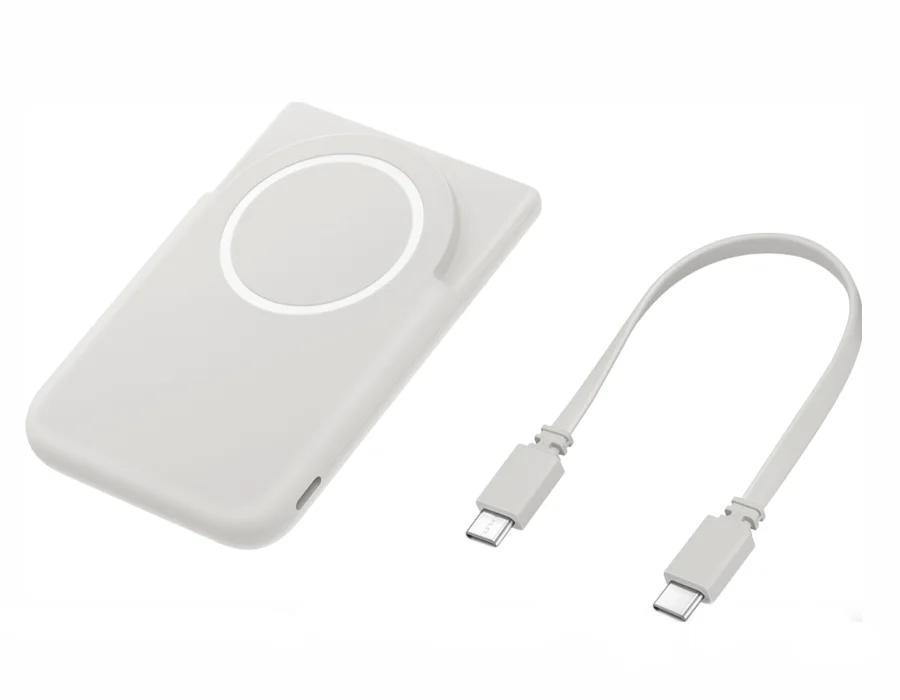
Emerging reports and leaked product schematics strongly indicate that Samsung is gearing up to fully integrate the Qi2 wireless charging standard into its upcoming Galaxy S26 smartphone lineup, a move underscored by the anticipated launch of a new magnetic battery pack designed to leverage this advanced technology. This development signals a significant evolution in Samsung’s approach to mobile power solutions and a potential alignment with industry-wide advancements in wireless charging efficiency and user experience.
The revelation stems from detailed leaks showcasing what appears to be a redesigned Samsung external battery pack, a crucial accessory for users seeking extended mobile power. This new iteration is prominently featured with an integrated magnetic ring, a hallmark of the Qi2 standard, which promises to deliver a more secure and efficient wireless charging connection. The leak further details that this magnetic charging capability will offer a robust 15W power output, a considerable upgrade over previous generations of non-magnetic wireless charging solutions. Complementing this, the accessory is also expected to include a USB-C port capable of delivering up to 20W of wired charging power, providing users with versatile charging options for their devices.
Further analysis of the leaked specifications suggests that the power bank itself will house a substantial 5,000mAh battery. This capacity is sufficient to provide a significant charge to a modern smartphone, potentially offering a full recharge or a substantial power boost for extended usage periods. The device is also reportedly engineered to accept an input charge of up to 25W, enabling rapid replenishment of the battery pack itself when connected to a compatible power source. A noteworthy design element revealed in the leak is the inclusion of a foldable arm, ingeniously integrated into the battery pack, which will function as a built-in stand. This feature enhances the usability of the accessory, allowing users to prop up their devices for comfortable viewing of media or participation in video calls while simultaneously charging.
This emerging information is not entirely novel, as prior reports have hinted at Samsung’s exploration of magnetic wireless charging. Earlier intelligence, surfaced in December, identified a "Magnetic Wireless Battery Pack" associated with Samsung within the database of the Wireless Power Consortium (WPC). The WPC is the governing body for the Qi standard, and its inclusion of such a product suggests a formal progression towards Qi2 certification and adoption. The synergy between the S26’s rumored Qi2 readiness and this new accessory creates a compelling narrative of Samsung’s strategic pivot towards a more standardized and powerful wireless charging ecosystem.

The financial implications of this new accessory are also beginning to take shape, with projections indicating a retail price point of approximately €59.90, translating to roughly $70 USD. This pricing strategy positions the magnetic battery pack as a premium accessory, reflecting the advanced technology and enhanced user experience it aims to deliver. Such a price point aligns with comparable high-capacity portable chargers and accessories that incorporate advanced features and robust build quality.
While Samsung’s most recent flagship devices, the Galaxy S25 series, were advertised as "Qi2 Ready," this designation primarily referred to their compatibility with cases designed to facilitate Qi2 charging, rather than inherent Qi2 magnetic alignment capabilities within the phones themselves. This subtle distinction is important; the S25 phones, while capable of receiving Qi2 power, lacked the internal magnetic components that ensure precise alignment and optimal power transfer characteristic of true Qi2 integration. The Galaxy S26, however, appears poised to bridge this gap, potentially incorporating the necessary magnetic hardware directly into the device. This would not only enable seamless magnetic charging with Qi2 accessories but also unlock the full potential of the standard, including enhanced energy efficiency and improved charging speeds.
The anticipation surrounding the Galaxy S26 extends beyond its charging capabilities. The device is rumored to feature a range of other significant upgrades, including potentially redesigned camera modules, evidenced by recent renders depicting altered camera island aesthetics. Furthermore, there is speculation of an exclusive "privacy display" feature for the Ultra variant, designed to mitigate screen peering and enhance user privacy in public spaces. These supplementary advancements suggest a comprehensive refresh of Samsung’s flagship offerings, aiming to solidify its competitive edge in a dynamic smartphone market.
The integration of Qi2 technology into flagship devices like the Galaxy S26 represents a significant stride towards a more unified and efficient wireless charging future. Qi2, based on the Magnetic Power Profile (MPP) of the Wireless Charging Inductive Coupling specification, draws inspiration from Apple’s MagSafe technology. This standardization promises several key benefits:
- Enhanced Alignment and Efficiency: The magnetic system ensures perfect alignment between the charger and the device, minimizing energy loss and maximizing charging speed. This eliminates the guesswork and frustration often associated with precisely positioning devices on non-magnetic wireless chargers.
- Increased Charging Speeds: Qi2 supports up to 15W of wireless power, a notable increase from the 5W or 7.5W often seen with standard Qi chargers, and matches the higher-end capabilities of MagSafe. This means devices can be charged more rapidly, reducing downtime.
- Improved User Experience: The magnetic attachment provides a more secure connection, preventing accidental disconnections during charging. It also opens up new possibilities for accessory integration, such as car mounts and stands that seamlessly attach to the device.
- Interoperability: As Qi2 becomes more widespread, users will benefit from greater compatibility between chargers and devices from different manufacturers, fostering a more open and accessible ecosystem.
For Samsung, embracing Qi2 is a strategic move that aligns with broader industry trends. As more accessory manufacturers adopt the Qi2 standard, Samsung’s decision to integrate it into its flagship phones and accessories will ensure its devices remain competitive and offer a superior user experience. It also signals a commitment to interoperability, a value increasingly appreciated by consumers. The potential for faster charging, more reliable connections, and a more versatile ecosystem of accessories positions the Galaxy S26 to be a compelling offering for tech-savvy consumers.

The leaked battery pack, with its 15W magnetic charging and 5,000mAh capacity, exemplifies the practical application of Qi2. It offers a convenient and powerful solution for on-the-go charging, seamlessly attaching to the S26 and providing a substantial power reserve. The integrated stand further enhances its utility, transforming it from a mere power source into a functional accessory for productivity and entertainment. The 25W input charging for the battery pack itself also indicates an effort to minimize the time users spend waiting for their accessories to recharge.
The broader implications of Samsung’s adoption of Qi2 extend to the accessory market. Companies that produce wireless chargers, power banks, and other charging solutions will likely see a surge in demand for Qi2-certified products. This could lead to increased innovation and a wider variety of options for consumers. For Samsung, it also presents an opportunity to strengthen its own accessory ecosystem, offering a suite of integrated products that enhance the functionality and appeal of its flagship smartphones.
Looking ahead, the successful integration of Qi2 into the Galaxy S26 could set a precedent for future Samsung devices, potentially making magnetic wireless charging a standard feature across its smartphone portfolio. This would represent a significant shift from previous years, where such technology was largely confined to specific product lines or accessory offerings. The move also aligns with a growing consumer preference for convenience and efficiency in their mobile technology.
In conclusion, the leaked information regarding the Samsung Galaxy S26’s potential Qi2 support and the accompanying magnetic battery pack paints a picture of a device poised for significant advancement in wireless charging technology. This development is not merely an incremental upgrade but a strategic embrace of a standardized, more efficient, and user-friendly charging paradigm. The forthcoming S26, coupled with its advanced accessory offerings, is shaping up to be a pivotal release in Samsung’s ongoing pursuit of mobile innovation and consumer satisfaction.


 Lisa Mariana
 Safa Marwah
 Ayu Aulia