Aura Kasih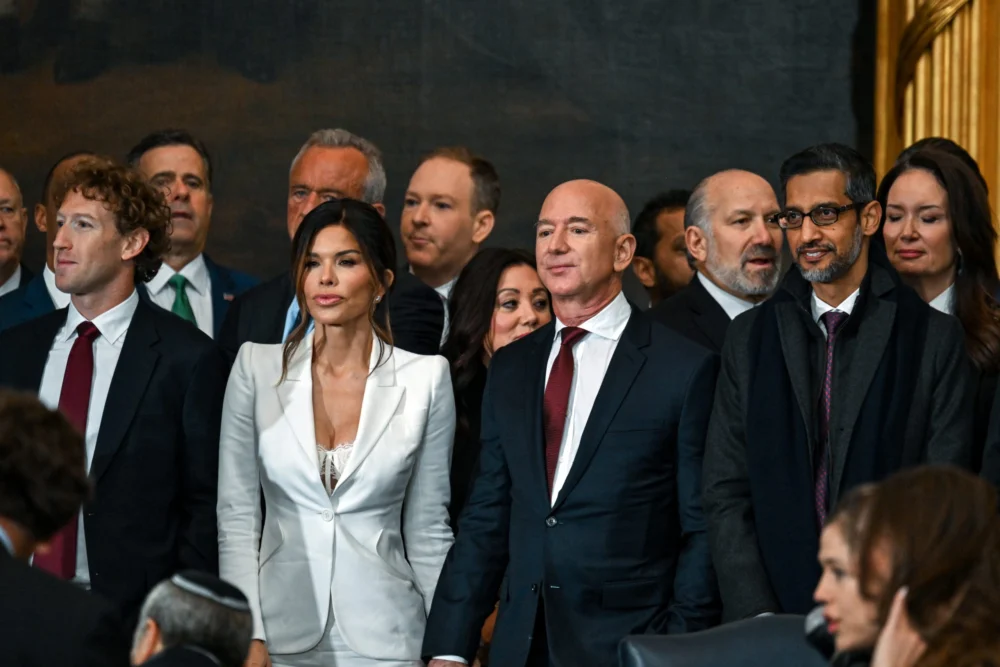
A year into the current political cycle, the technology industry has demonstrably outmaneuvered the populist agenda championed by the Make America Great Again (MAGA) movement, particularly concerning its aspirations to regulate and reshape the digital landscape. What was once framed as a David-and-Goliath battle, with MAGA populists poised to dismantle powerful tech corporations, has evolved into a narrative of strategic adaptation and influence by Big Tech, effectively neutralizing many of the movement’s core objectives.
The initial salvo was fired with considerable bravado. Steve Bannon, a prominent architect of the MAGA movement, articulated a vision of retribution against Big Tech for perceived anti-Trump biases. He pointed to the early days of the Trump administration as a period when tech titans appeared to be seeking détente, even engaging in public displays of deference. Bannon’s pronouncements suggested a fundamental shift in power, where the tech oligarchs, previously seen as adversaries, were now "supplicants" to a president ready to unleash regulatory might. This sentiment was widely disseminated within the MAGA base, fostering a belief that Trump had decisively broken the influence of these Silicon Valley giants. The narrative was one of triumphant populism, capable of imposing its will on the nation’s most influential technology companies.
However, the unfolding political and economic realities of the past year paint a starkly different picture. The ambitious agenda to break up major technology firms, a cornerstone of MAGA’s anti-establishment platform, has largely stalled. The once fervent calls for antitrust actions against giants like Google, Meta, and Amazon have faded from the forefront of policy discussions. Instead, the focus has shifted, with regulatory bodies and legislative efforts grappling with more nuanced issues, often influenced by extensive lobbying and industry-led initiatives. The once-clear objective of structural separation appears to have been diluted into a complex web of ongoing investigations and debates over market competition, a far cry from the decisive dismantling envisioned by Bannon and his allies.
Similarly, the imperative to divest foreign-owned technology platforms, particularly TikTok, has seen significant strategic recalibration. What was initially characterized as a national security imperative and a cultural threat by MAGA proponents has become a more intricate negotiation. The potential sale of TikTok, a process that was once presented as an inevitable consequence of regulatory pressure, has encountered numerous obstacles and shifts in strategy. Moreover, the political landscape surrounding TikTok has paradoxically seen figures associated with the MAGA movement, including Trump himself, engaging with the platform, a move that appears to contradict the very principles that fueled the initial opposition. This embrace of a platform previously decried as a cultural poison highlights the adaptive, and at times contradictory, nature of political maneuvering in the digital age.
The burgeoning field of artificial intelligence (AI) has also become a battleground where MAGA’s initial intentions have been significantly altered. The movement’s concerns about AI’s potential to undermine states’ rights, erode conservative values, and exacerbate job losses were articulated with considerable force. Yet, the narrative of preemptive state-level regulation has been largely preempted by significant industry lobbying efforts. The intervention of influential figures, such as venture capitalist David Sacks, played a pivotal role in shaping the administration’s response to AI. The outcome was an executive order that, while ostensibly promoting AI innovation, effectively curtailed the ability of individual states to enact their own AI-related legislation. This action, despite facing considerable backlash from within conservative circles who saw it as an overreach of federal power and a concession to tech interests, underscored Big Tech’s capacity to influence policy at the highest levels. The push for localized, values-driven AI governance was effectively sidelined by a top-down approach favoring national uniformity and industry priorities.

Even seemingly minor policy shifts reveal a broader trend of Big Tech’s influence. Trump’s defense of the H-1B visa program for high-skilled foreign tech workers, a stance that generated significant internal dissent within the MAGA base, exemplified this dynamic. His assertion that the U.S. workforce lacked "certain talents" necessary for the tech industry, a departure from the staunchly protectionist "America First" rhetoric, exposed a fissure within the movement. While subsequent adjustments to the H-1B visa system aimed to appease nativist sentiments, the continued existence of the program itself highlighted a pragmatic concession to the labor demands of the technology sector. This ideological flexibility, or perhaps strategic capitulation, demonstrated that the practical needs of the tech industry could, at times, override the purist tenets of the populist platform. The resulting internal debate within the MAGA community underscored the challenge of reconciling core ideological beliefs with the complex realities of a globalized, technology-driven economy.
The Trump political apparatus has historically operated on a principle of internal competition, where various factions and individuals vie for the leader’s attention and favor. This dynamic was evident during his first term, with constant jostling among financiers, the Republican establishment, career officials, and nascent populist wings. However, as the 2024 campaign trail unfolded, the landscape shifted. The established power brokers, once entrenched, found their influence waning or adapting to the prevailing populist tide. The MAGA movement, having consolidated its ideological dominance, believed it had achieved an unassailable position. Indeed, elements of this populist agenda have found traction in the current administration, evident in the Department of Justice’s aggressive use of legal strategies against critics and the Department of Homeland Security’s expansive mandate for ICE.
Nevertheless, the initial prognostication of Big Tech’s supplication has proven to be a misreading of the evolving power dynamics. The ability of the technology sector to navigate and influence policy, even in the face of populist opposition, has been a defining characteristic of the past year. The quiet yet persistent lobbying, strategic engagement with policymakers, and the inherent economic interdependence have allowed these companies to weather the initial storm of populist rhetoric. The notion that these "oligarchs" were merely seeking favor at Mar-a-Lago has given way to a more sophisticated understanding of their enduring influence.
The internal machinations within the White House and their impact on policy direction remain a subject of ongoing observation. The capacity of external forces, particularly well-funded industries, to shape the administration’s agenda is a recurring theme. The fact that prominent figures once championing radical change are now reportedly considering their own presidential bids suggests a fragmentation of the movement’s leadership and a potential recalibration of its strategic priorities. This shift may create new opportunities for established industries to further solidify their influence.
The legislative landscape surrounding the technology sector continues to be dynamic, with ongoing debates in Congress shaping the future of market regulation, particularly in areas like cryptocurrency. The Senate’s recess offers a temporary pause in legislative action, but the underlying pressures and negotiations persist. Industry leaders are actively engaged in shaping the discourse and outcomes of critical legislation, demonstrating a continued commitment to influencing policy in their favor. The ongoing discussions surrounding market structure bills, for instance, highlight the intricate interplay between legislative intent and industry advocacy. The pursuit of comprehensive regulatory frameworks for emerging technologies is a complex undertaking, requiring sustained engagement from all stakeholders. The ability of the tech industry to adapt and exert influence in these evolving regulatory environments will be a critical determinant of its future trajectory and its relationship with governmental oversight. The coming years will likely witness a continued interplay between populist aspirations for control and the strategic resilience of established technological powers.




 Lisa Mariana
 Safa Marwah
 Ayu Aulia