Aura Kasih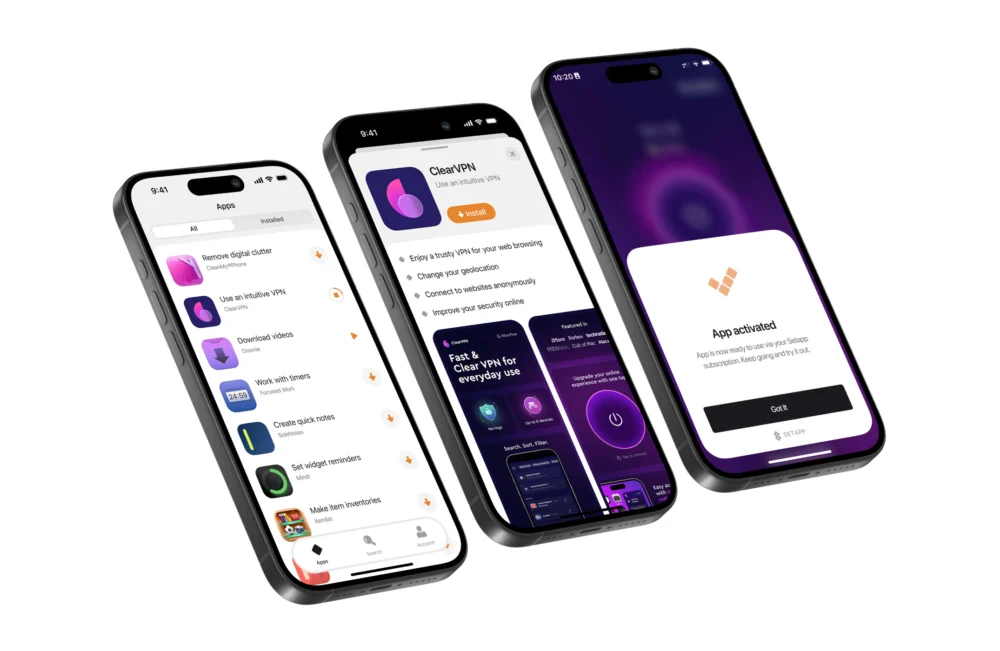
The promising venture of Setapp Mobile, an alternative app marketplace for iOS devices within the European Union, is set to cease operations on February 16, 2026, marking a significant setback for proponents of app store diversification in the region. This closure underscores the complex and evolving commercial landscape that developers face when attempting to establish a foothold outside of Apple’s dominant App Store, even with regulatory impetus.
Launched in the wake of the European Union’s Digital Markets Act (DMA), which mandated Apple to open its iOS platform to third-party app stores, Setapp Mobile represented a tangible effort to provide consumers with greater choice and developers with alternative distribution channels. The DMA, a landmark piece of legislation, aimed to foster competition and prevent "gatekeeper" platforms from unfairly leveraging their market power. For MacPaw, the Ukrainian company behind Setapp Mobile, this regulatory shift presented an opportunity to extend its established subscription-based app bundle, known for its curated collection of macOS applications, to the mobile realm.
However, the reality of the EU’s evolving app market has proven considerably more challenging than anticipated. A notice posted on Setapp’s support page explicitly states the service’s impending shutdown, citing "still-evolving and complex business terms that don’t fit Setapp’s current business model." This candid admission from MacPaw highlights the substantial hurdles involved in navigating the operational and financial intricacies of running an alternative app store on iOS. The notice further advises users to ensure they transfer any data from apps accessed through Setapp Mobile before the February 16th deadline, as accessibility will be permanently lost.
The implications of Setapp Mobile’s closure extend beyond the immediate impact on its users and developers. It serves as a potent indicator of the broader difficulties faced by alternative app stores seeking to gain traction in the EU. While the DMA has technically enabled the existence of these new marketplaces, the practical implementation and user adoption remain significant obstacles. Apple, despite being compelled to allow these alternatives, has maintained considerable control over the distribution process, including the introduction of new fees and stringent security protocols that can complicate the user experience.
Several other alternative app stores, such as AltStore PAL and the Epic Games Store, continue to operate within the EU. Yet, their continued success is far from guaranteed. The user journey for installing applications from these third-party sources is inherently more involved than the seamless process of downloading from the App Store. This friction in the user experience, coupled with potential security concerns—whether perceived or real—can deter widespread adoption, leaving these alternative stores with a limited user base.

MacPaw CEO, Oleksandr Kosovan, reflected on the project with a mix of pride and disappointment. He characterized Setapp Mobile as a "bold, breakthrough project" that aspired to cultivate a new app ecosystem where both developers and users could flourish. Kosovan emphasized his company’s continued belief in the vision of greater app store diversity, even as they acknowledge the current commercial realities rendering the project untenable. He articulated that "evolving commercial conditions" necessitated the difficult decision to discontinue development and support for Setapp Mobile under the existing business model.
The discontinuation of Setapp Mobile is not, however, an indication of MacPaw abandoning innovation. Kosovan confirmed that the company is actively redirecting its resources toward other promising projects. This includes the development of "Eney," an AI assistant designed to be native to macOS, and further enhancements to their established Setapp Desktop service. This strategic pivot suggests a focus on areas where MacPaw perceives greater potential for success and where they can leverage their existing expertise and user base.
The narrative of Setapp Mobile’s closure offers valuable insights into the post-DMA app store environment in the EU. The regulatory framework provided the necessary legal impetus for change, but the economic and operational realities of the mobile app ecosystem present a formidable counterforce. Apple’s deep integration into the iOS experience, coupled with the ingrained habits of millions of users, creates a powerful network effect that is exceedingly difficult for newcomers to disrupt.
Furthermore, the financial models for operating an alternative app store are still in their nascent stages. Developers must contend with potential revenue-sharing agreements, the costs associated with platform development and maintenance, and the ongoing challenge of attracting and retaining users. For a subscription-based service like Setapp, which relies on a consistent stream of revenue to offer a diverse catalog of apps, the economic viability of a mobile counterpart operating under these new, complex terms was evidently precarious.
The future of alternative app stores in the EU remains uncertain. While the DMA has opened the door, the path forward requires more than just regulatory compliance; it demands a compelling value proposition for both consumers and developers that can overcome the inertia of the existing ecosystem. The success of remaining players like AltStore PAL and the Epic Games Store will likely hinge on their ability to innovate, build trust, and offer unique experiences that cannot be replicated within Apple’s walled garden.
The closure of Setapp Mobile serves as a cautionary tale, highlighting that regulatory changes, while crucial for fostering competition, are only one piece of a complex puzzle. The commercial viability of alternative app distribution models on iOS is still being tested, and the path to widespread adoption is fraught with significant economic and operational challenges. As developers and regulators continue to grapple with the implications of the DMA, the lessons learned from Setapp Mobile’s experience will undoubtedly inform future strategies and endeavors in the quest for a more diverse and competitive mobile app landscape. The long-term success of these alternative channels will depend on their capacity to offer distinct advantages and streamline the user experience in a way that resonates with a broad audience, moving beyond the initial novelty of choice to establish genuine utility and sustained engagement.




 Lisa Mariana
 Safa Marwah
 Ayu Aulia