Ridwan Kamil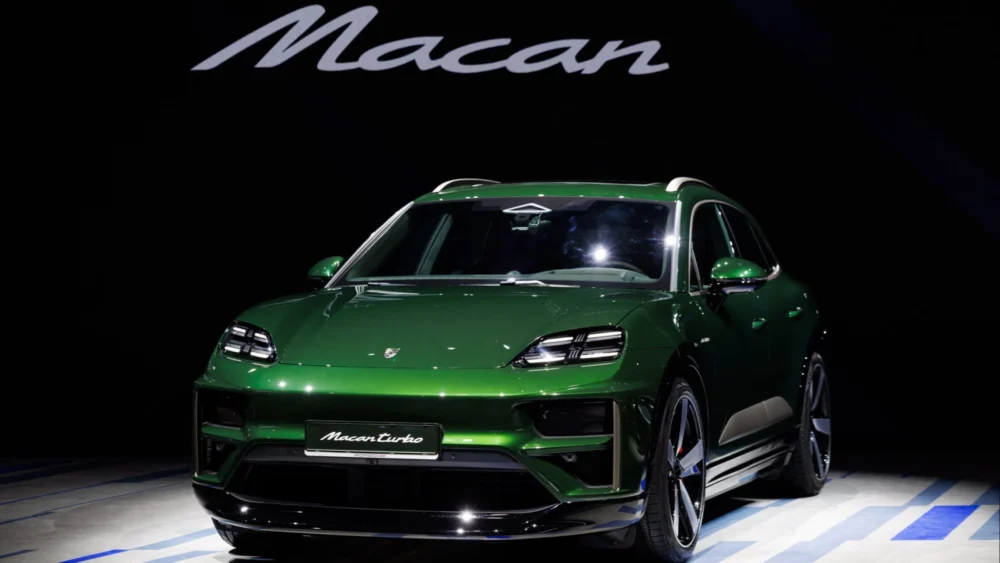
The renowned German luxury automaker, Porsche, has recorded its steepest year-on-year decline in vehicle sales since 2009, signaling a period of significant market recalibration for the premium segment. This downturn, which has impacted the manufacturer’s global performance, suggests a complex interplay of economic headwinds, shifting consumer preferences, and internal operational challenges.
The stark figures released by Porsche paint a clear picture of a substantial deceleration in sales momentum. While the exact percentage and timeframe of this decline are not detailed in the provided excerpt, the historical comparison to 2009, a year deeply scarred by the global financial crisis, underscores the severity of the current situation. This period was characterized by a dramatic contraction in consumer spending, particularly on high-value discretionary items like luxury automobiles. Porsche’s current sales performance, mirroring that of such an economically turbulent time, indicates that the company is navigating a landscape of considerable economic uncertainty and reduced demand.
Unpacking the Magnitude of the Decline
To fully comprehend the implications of Porsche’s sales figures, it is crucial to contextualize them within the broader automotive industry and the specific market segment Porsche occupies. The luxury car market, while often perceived as more resilient to economic downturns due to the financial capacity of its clientele, is not immune to widespread economic anxieties. Factors such as rising inflation, increasing interest rates, persistent supply chain disruptions, and geopolitical instability can collectively erode consumer confidence and impact purchasing decisions, even among affluent buyers.
The comparison to 2009 is particularly telling. During that period, the automotive industry globally was grappling with a severe credit crunch, a sharp fall in consumer demand, and widespread factory shutdowns. For Porsche, which relies heavily on high-margin sales of its premium vehicles, a contraction of a similar magnitude suggests that the current challenges are substantial enough to exert significant pressure on its sales volumes. This indicates that the factors driving the downturn are not merely cyclical but may also reflect more structural shifts in the market or the company’s operational environment.
Potential Contributing Factors to the Sales Contraction
Several key factors could be contributing to Porsche’s most significant sales fall since 2009.
-
Global Economic Slowdown and Inflationary Pressures: The current global economic climate is characterized by high inflation rates in many key markets. This erosion of purchasing power, even for affluent consumers, can lead to a reassessment of significant expenditures. Rising interest rates also make financing more expensive, further dampening demand for high-ticket items like luxury vehicles. Consumers may opt to delay purchases, trade down to less expensive alternatives, or prioritize other investments in a more uncertain economic environment.
-
Supply Chain Disruptions and Production Constraints: While the most acute phases of pandemic-related supply chain disruptions may have eased, lingering issues can still impact automotive production. Shortages of critical components, such as semiconductors, can limit the number of vehicles a manufacturer can produce, directly affecting sales figures. Even if demand remains robust, the inability to build and deliver cars will inevitably lead to lower sales numbers. Porsche, like other manufacturers, may be experiencing these ongoing challenges.
-
Shifting Consumer Preferences and Electrification Transition: The automotive industry is undergoing a profound transformation driven by the shift towards electric vehicles (EVs). While Porsche has made significant strides in electrification with models like the Taycan, the pace of consumer adoption and the competitive landscape in the EV segment are evolving rapidly. If Porsche’s EV offerings are not meeting market expectations in terms of availability, performance, or appeal compared to competitors, it could contribute to a sales slowdown. Furthermore, the demand for traditional internal combustion engine (ICE) vehicles might be facing headwinds as regulatory pressures and consumer interest increasingly favor electric alternatives.
-
Geopolitical Instability and Regional Market Performance: Global geopolitical events can have a ripple effect on international trade, consumer confidence, and economic stability in various regions. Market-specific economic conditions, political uncertainties, or trade restrictions in key Porsche markets could significantly influence sales performance. For instance, a slowdown in a major market like China or Europe could disproportionately impact overall sales figures.
-
Product Cycle and Model Availability: The automotive sales cycle is often influenced by the introduction of new models or the aging of existing ones. If Porsche is in a period where key models are nearing the end of their lifecycle without immediate successors generating significant excitement, or if new model introductions have faced delays, this could also contribute to a sales decline.
-
Increased Competition: The luxury automotive market is intensely competitive. New entrants, particularly in the EV space, are challenging established players. Brands that were once considered niche are now offering compelling alternatives, potentially drawing buyers away from more traditional luxury marques like Porsche. The sheer volume of new and innovative offerings across the luxury segment necessitates continuous product development and aggressive market strategies to maintain sales momentum.
Implications for Porsche and the Luxury Automotive Sector
The magnitude of this sales contraction carries significant implications for Porsche and the broader luxury automotive industry.
-
Financial Performance and Profitability: While Porsche is known for its strong profit margins, a substantial decline in sales volume will inevitably impact its financial performance. Reduced sales can lead to lower revenue, potentially affecting profitability and the company’s ability to fund future research and development, crucial for staying competitive in the evolving automotive landscape. Investors will be closely watching how Porsche manages this downturn and maintains its financial health.
-
Strategic Adjustments and Future Investments: This sales downturn may necessitate strategic adjustments within Porsche. The company might need to re-evaluate its production targets, inventory management, and marketing strategies. It could also accelerate its investment in electrification, potentially by expanding its EV model lineup, enhancing charging infrastructure partnerships, or developing next-generation battery technology. The company’s ability to adapt its product portfolio and manufacturing capabilities to meet evolving market demands will be critical.
-
Market Share and Brand Perception: A prolonged period of declining sales could potentially lead to a erosion of market share, especially if competitors are experiencing more stable or growing sales. Maintaining brand perception as a leader in performance and luxury is paramount, and any perception of decline could impact its desirability among consumers. Porsche will need to reinforce its brand value and its commitment to innovation to counteract any negative sentiment.
-
Impact on the Broader Luxury Goods Market: Porsche’s performance can serve as an indicator for the health of the broader luxury goods market. A significant downturn in luxury vehicle sales might suggest a more widespread cooling of demand for high-end products, as affluent consumers become more cautious with their spending. This could have implications for other sectors within the luxury industry, from fashion to high-end electronics.
-
Industry-Wide Transition Challenges: The automotive industry is in the midst of a monumental transition towards sustainable mobility. Porsche’s experience, particularly if it stems from challenges in the EV transition, highlights the complexities and potential pitfalls for established automakers. It underscores the need for agility, significant investment, and a deep understanding of evolving consumer expectations in this rapidly changing environment.
Looking Ahead: Navigating the Road to Recovery
Porsche’s current sales trajectory presents a critical juncture. The company’s response to this period of contraction will shape its future performance and its standing in the competitive luxury automotive market. Key areas of focus for the manufacturer will likely include:
-
Accelerating Electrification Strategy: Doubling down on its EV strategy will be paramount. This could involve introducing new, highly anticipated electric models, enhancing the performance and range of existing EVs, and ensuring seamless integration with charging infrastructure. The success of its electric offerings will be a significant determinant of its future sales.
-
Supply Chain Resilience: Proactive measures to secure its supply chains and mitigate the impact of component shortages will be essential. Diversifying suppliers, investing in advanced manufacturing technologies, and exploring vertical integration could bolster its production capabilities.
-
Market Diversification and Targeted Strategies: Examining performance across different global markets and tailoring strategies accordingly will be crucial. This might involve focusing on regions with stronger economic outlooks or developing specific product variants or marketing campaigns to resonate with local consumer preferences.
-
Innovation and Product Development: Continuous innovation in vehicle design, technology, and performance will be necessary to maintain its competitive edge. Investing in areas like autonomous driving, in-car connectivity, and sustainable materials will be key to attracting and retaining discerning luxury buyers.
-
Brand Reinforcement and Customer Engagement: Porsche’s brand equity is a significant asset. Maintaining strong customer engagement through exceptional service, exclusive experiences, and a clear communication of its future vision will be vital in navigating this challenging period and rebuilding sales momentum.
In conclusion, Porsche’s most significant sales decline since 2009 is a stark indicator of the prevailing economic headwinds and the dynamic shifts within the automotive sector. The company’s ability to adapt, innovate, and strategically navigate these complex challenges will determine its capacity to recover and continue its legacy as a leader in the global luxury automotive market. The coming quarters will be a critical period for assessing the effectiveness of its strategic responses and its resilience in the face of significant market pressures.

 Aura Kasih
 Safa Marwah
 Ayu Aulia