Ridwan Kamil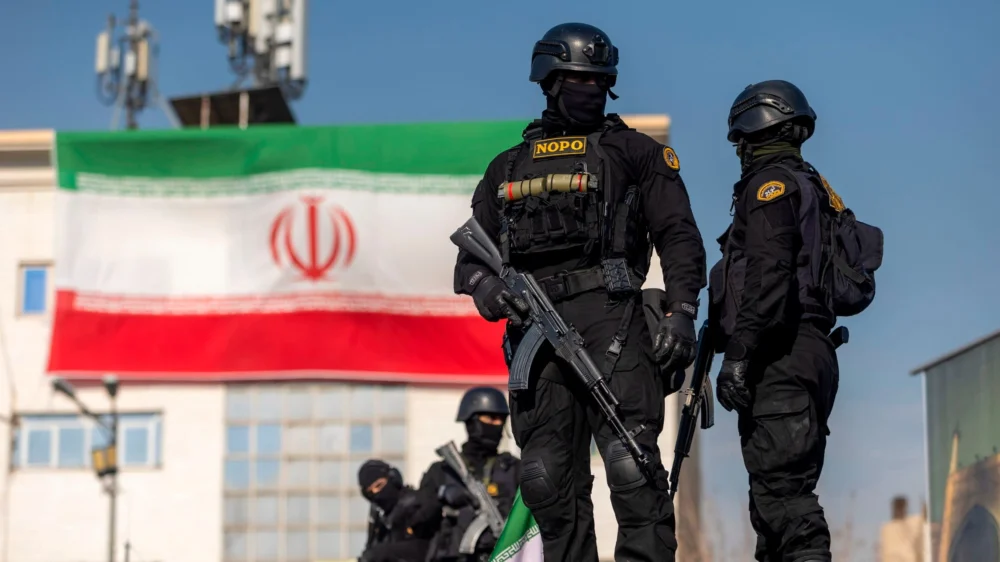
In a significant demonstration of state control, Iran’s ruling establishment has successfully reasserted its authority over public spaces, effectively curtailing the widespread protests that had gripped the nation for an extended period. This strategic maneuver involved a multifaceted approach, combining overt displays of force with subtler, yet equally impactful, measures aimed at neutralizing dissent and restoring a semblance of normalcy to the country’s urban centers. The outcome signals a critical juncture in Iran’s ongoing struggle to maintain internal stability amidst complex socio-political pressures.
The events of the past year in Iran have been marked by an unprecedented surge of public unrest, catalyzed by a confluence of economic hardship, social grievances, and a deep-seated desire for political reform. The death of Mahsa Amini in September 2022, under circumstances that ignited widespread outrage, served as a potent catalyst, propelling a wave of protests that transcended regional and demographic divides. These demonstrations, characterized by their organic nature and persistent defiance, posed a significant challenge to the clerical regime, questioning its legitimacy and authority. However, the recent period has witnessed a palpable shift, with the overt manifestations of public dissent diminishing considerably, and a renewed sense of order prevailing in the streets.
The regime’s success in regaining control of public spaces is not attributable to a single factor but rather a calculated and comprehensive strategy that evolved over time. Initially, the state’s response was characterized by a heavy-handed approach, employing security forces to suppress demonstrations with significant force. This included the widespread use of tear gas, batons, and live ammunition, resulting in numerous casualties and arrests. While this strategy inflicted considerable suffering on protesters and their families, it also served to intimidate a segment of the population and create an atmosphere of fear that made large-scale public gatherings more perilous.
Beyond the immediate suppression of protests, the Iranian government also implemented a series of measures designed to address the underlying factors that fueled the unrest, albeit with limited scope and intent. In response to widespread economic discontent, the administration made some token efforts to address inflation and unemployment, though these measures were largely insufficient to alleviate the deep-seated economic anxieties that continue to plague a significant portion of the Iranian populace. Similarly, while the regime has offered a degree of symbolic concession, such as minor adjustments to social enforcement policies, these have done little to address the fundamental demands for greater political freedom and human rights.
A crucial element of the regime’s strategy has been its adept utilization of state-controlled media and information channels. Through a sustained campaign of propaganda, the government has sought to frame the protests as foreign-instigated sedition, orchestrated by external enemies aiming to destabilize the Islamic Republic. This narrative has been amplified through state television, radio, and online platforms, aiming to discredit the protest movement, sow division among its supporters, and rally a segment of the population behind the government’s narrative of national security. The dissemination of carefully curated information, coupled with the silencing of independent voices and dissenting opinions, has played a significant role in shaping public perception and undermining the momentum of the protest movement.
Furthermore, the regime has strategically leveraged its vast network of affiliated organizations and paramilitary groups, such as the Basij, to exert influence and maintain order. These forces have been instrumental in countering protests, conducting surveillance, and enforcing social norms. Their presence on the streets, often in plain clothes, has contributed to a pervasive sense of surveillance and has deterred individuals from participating in public gatherings. The coordinated deployment of these groups has allowed the state to project an image of unwavering resolve and to respond rapidly to any resurgence of dissent.
The international dimension has also played a role, albeit a complex one. While global condemnation of the regime’s human rights record has been vocal, tangible international pressure has been fragmented and often insufficient to fundamentally alter the regime’s calculus. Sanctions imposed by various countries have undoubtedly impacted Iran’s economy, but they have also, in some instances, served to galvanize nationalist sentiment and reinforce the regime’s narrative of external hostility. The lack of unified and decisive international action has, in effect, provided the Iranian government with a degree of strategic latitude in managing its internal affairs.
The successful reassertion of state control, however, does not signify a resolution of the underlying tensions within Iran. The deep-seated grievances related to economic inequality, social freedoms, and political representation remain potent. The current period of relative calm could be temporary, susceptible to renewed eruptions of dissent should the economic situation deteriorate further or if new catalytic events emerge. The regime’s approach, characterized by suppression and limited reform, has created a fragile equilibrium, rather than a sustainable foundation for long-term stability.
Looking ahead, the implications of this strategic reassertion of authority are significant. For the Iranian government, it represents a victory in its immediate struggle for control, reinforcing its capacity to withstand internal challenges. This success may embolden the regime to continue its current policies, potentially leading to further crackdowns on any nascent signs of dissent. However, this approach risks alienating a broader segment of the population, potentially fueling resentment and creating conditions for future instability.
For the opposition and civil society within Iran, the current landscape presents a formidable challenge. The suppression of public assembly and the curtailment of free expression necessitate a re-evaluation of strategies. The focus may shift towards more clandestine forms of organization, the leveraging of social networks, and the continued articulation of demands through alternative channels. The diaspora, which has played a significant role in amplifying the voices of the protest movement, will likely continue its advocacy efforts, seeking to maintain international pressure and support for democratic aspirations.
The future trajectory of Iran’s socio-political landscape remains uncertain. The regime’s current strategy has achieved a temporary suppression of public dissent, but it has not addressed the root causes of the unrest. The resilience of the Iranian people, coupled with the persistent demands for change, suggests that the underlying tensions are likely to persist. The effectiveness of the regime’s control will ultimately be tested by its ability to manage economic pressures, address social grievances, and navigate the complex geopolitical environment. The current period of apparent order may be a prelude to further developments, as the long-term dynamics of power and popular will continue to shape Iran’s future. The reassertion of state authority, while presently evident, is a fragile edifice built upon a foundation of suppressed dissent and unresolved grievances. The enduring quest for change within Iranian society remains a potent force, capable of resurfacing and challenging the established order in unforeseen ways.

 Aura Kasih
 Safa Marwah
 Ayu Aulia