Ayu Aulia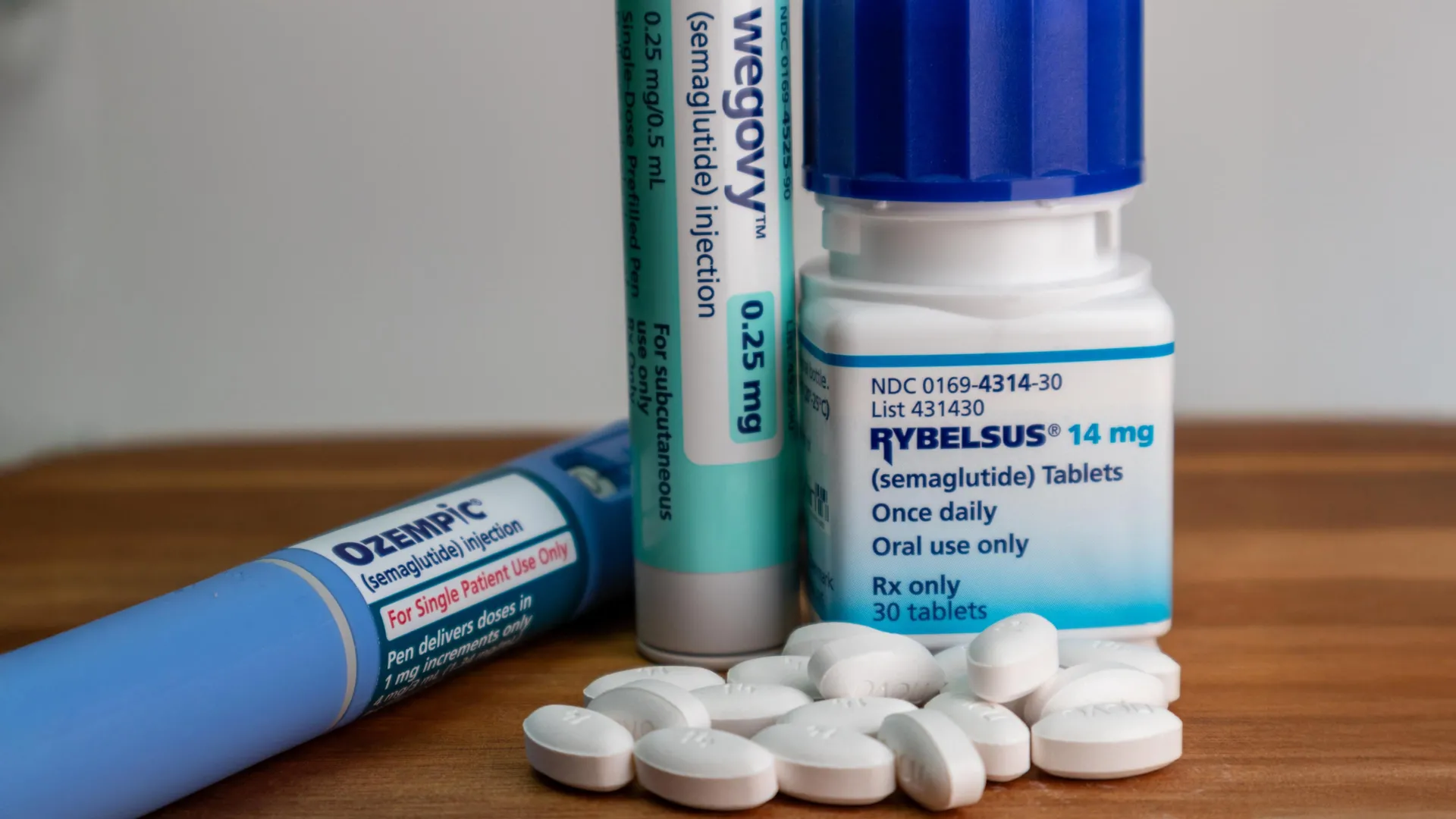
A recent investigation by researchers at Adelaide University is prompting a closer examination of the non-active ingredients in oral formulations of popular weight management pharmaceuticals, specifically focusing on salcaprozate sodium (SNAC), a crucial absorption enhancer. This compound, essential for the oral bioavailability of drugs like semaglutide, is now hypothesized to exert biological effects that extend beyond its primary function of facilitating drug absorption in the digestive tract. The findings underscore the complex interplay between all components of a pharmaceutical product and human physiology, particularly in the context of chronic medication use.
The active pharmaceutical ingredient (API) in widely prescribed weight-loss medications such as Wegovy and Ozempic is semaglutide, a glucagon-like peptide-1 (GLP-1) receptor agonist. In its injectable form, semaglutide is directly administered into the bloodstream, bypassing the digestive system. However, for oral administration, semaglutide faces significant challenges due to its peptide structure, which makes it highly susceptible to enzymatic degradation in the stomach and poor absorption across the intestinal barrier. This is where SNAC becomes indispensable. As an absorption enhancer, SNAC functions by temporarily altering the gastric environment and increasing the permeability of the intestinal lining, thereby protecting semaglutide from enzymatic breakdown and facilitating its passage into the systemic circulation. Without the inclusion of SNAC, oral semaglutide formulations would not achieve therapeutic concentrations.
Novel Insights from In Vivo Investigation
The Adelaide University study represents a pioneering in vivo investigation into the systemic effects of repeated SNAC exposure. Utilizing an animal model over a controlled 21-day period, scientists observed a series of significant physiological alterations. While the research emphatically states that these findings do not conclusively demonstrate harm, they robustly indicate that the absorption enhancer may influence biological processes beyond its intended role in drug delivery. This systematic approach marks a critical step in understanding the comprehensive impact of pharmaceutical excipients.
Among the notable changes documented were distinct shifts in the composition of the gut microbiota. The gut microbiome, a complex ecosystem of microorganisms residing in the human digestive tract, plays a pivotal role in numerous physiological functions, including metabolism, immune regulation, and even neurological processes. Alterations in this delicate balance have been linked to various health conditions, ranging from inflammatory bowel disease to metabolic disorders. The study’s observation of potentially adverse microbial shifts suggests a direct or indirect interaction of SNAC with these critical microbial communities, warranting deeper exploration into the mechanisms and long-term consequences of such changes.
Furthermore, the investigation revealed an elevation in systemic inflammatory markers. Chronic low-grade inflammation is a known contributor to a myriad of non-communicable diseases, including cardiovascular disease, type 2 diabetes, and certain neurodegenerative conditions. The presence of increased inflammatory indicators, even in an animal model, signals a potential immunological response or metabolic disturbance induced by SNAC. This finding is particularly pertinent given the target population for these medications often presents with pre-existing metabolic inflammation.
Compounding these observations was the depletion of specific proteins associated with cognitive function. Proteins play fundamental roles in neuronal health, synaptic plasticity, and overall brain function. A reduction in these critical biomolecules could have far-reaching implications for cognitive integrity, memory, and neurological resilience. While the direct causal link and clinical relevance in humans remain to be established, this finding introduces a novel area of concern regarding the broader systemic influence of SNAC.
The Expanding Landscape of Oral Anti-Obesity Therapies
The timing of these research findings coincides with an unprecedented global surge in the utilization of anti-obesity medications. Obesity remains a profound public health crisis globally, with an estimated 890 million adults and 160 million children worldwide grappling with the condition. This translates to approximately one in eight individuals affected, underscoring the vast societal and healthcare burden. Within the Organisation for Economic Co-operation and Development (OECD) countries, the United States records the highest prevalence, with 43% of individuals aged 15 and above classified as obese. Australia follows closely, ranking sixth with 31% of its population affected, significantly exceeding the OECD average of 25%.
The rapid expansion of oral semaglutide formulations, including the recent approval of a tablet version of Wegovy in the United States, marks a significant paradigm shift in the management of chronic weight conditions. Oral medications are frequently perceived as more convenient, less invasive, and potentially more cost-effective than injectable counterparts, factors that are expected to drive higher patient adherence and broader market adoption. This anticipated increase in the uptake of oral options inevitably leads to a substantial rise in daily human exposure to SNAC. The dramatic escalation in prescriptions for GLP-1 receptor agonists globally reflects a growing medical reliance on these powerful pharmacological interventions to combat the obesity epidemic.
The Excipient Enigma: A Deeper Dive into Drug Formulation
Excipients are non-active ingredients in pharmaceutical formulations, serving critical roles such as binders, fillers, disintegrants, coatings, and absorption enhancers. While often considered inert, their importance in drug delivery, stability, and bioavailability is paramount. Historically, regulatory scrutiny has predominantly focused on the active pharmaceutical ingredient (API), with excipients typically evaluated for their safety at their intended functional concentrations, largely assuming minimal systemic biological activity beyond their primary role. The Adelaide University study challenges this long-standing assumption, particularly in the context of chronic, high-frequency exposure.
The complexity of drug formulation means that excipients are not merely passive carriers. Their chemical properties can interact with biological systems in subtle yet significant ways. The pharmaceutical industry and regulatory bodies face an evolving challenge in understanding the full toxicological and pharmacological profiles of these components, especially when novel excipients are introduced or when existing ones are deployed in new ways or at higher cumulative doses over extended periods. This situation highlights a potential gap in the traditional drug development and approval process, which may not always fully account for the long-term, systemic effects of excipients.
Implications and The Call for Rigorous Post-Market Surveillance
The findings from Adelaide University carry significant implications for pharmaceutical development, regulatory science, and public health, even with the crucial caveat that they originate from animal research and require cautious interpretation. The lead author, Amin Ariaee, a PhD candidate at Adelaide University, articulated the imperative for a comprehensive understanding of every ingredient within these medications, particularly given the rapid expansion of oral anti-obesity treatments that incorporate SNAC.
Ariaee emphasized the transformative impact of these medications in managing obesity, a complex chronic disease with severe health ramifications. However, he underscored the necessity of understanding the ramifications of repeated, long-term exposure to all components of the oral formulation, not solely the active drug. "While SNAC enables semaglutide to be taken as a tablet, our study found that it was also associated with shifts in potentially harmful gut bacteria, elevated inflammatory markers, and depletion of proteins linked to cognitive impairment. These findings warrant further investigation," Ariaee stated, highlighting the urgency of this research agenda.
Dr. Paul Joyce, a Senior Research Fellow and co-author, reinforced the importance of interpreting the animal study results with appropriate caution, reiterating that the findings do not definitively prove harm in humans. Nevertheless, Dr. Joyce stressed that the research conclusively demonstrates that the excipient facilitating the efficacy of these tablets may possess adverse biological effects beyond its fundamental role in drug absorption. Given that these medications are typically prescribed for daily, prolonged use, often spanning many years, the global expansion of their utilization necessitates a thorough evaluation of every constituent component, extending beyond the primary active compound.
This research underscores the critical need for robust post-market surveillance and continuous evaluation of drug components. As pharmaceutical science advances and new delivery mechanisms emerge, the complexity of drug-body interactions increases. Distinguishing the effects of an API from those of its excipients in real-world human populations can be challenging, requiring sophisticated epidemiological studies and biomarker analysis. The ethical imperative for drug developers and regulatory agencies is to continually assess the long-term safety profiles of all pharmaceutical ingredients, adapting research methodologies to address novel questions raised by scientific inquiry.
Future Trajectories in Pharmaceutical Research
The Adelaide University study is poised to catalyze a re-evaluation of how excipients are assessed in pharmaceutical research and development. It may herald a future where excipient screening involves more rigorous in vivo and in vitro testing for potential biological activities beyond their intended function. This could lead to the development of novel excipients with truly inert profiles or a deeper understanding of existing ones.
Furthermore, the evolving field of personalized medicine may offer pathways to understand individual variabilities in response to both APIs and excipients. Genetic predispositions, gut microbiome profiles, and metabolic differences could influence how individuals react to SNAC or other components, potentially leading to more tailored therapeutic approaches.
In conclusion, the research emanating from Adelaide University sheds light on a previously under-explored facet of pharmaceutical science: the potential for seemingly inert excipients to exert significant biological effects. While the findings are preliminary and necessitate extensive further research, particularly in human subjects, they serve as a powerful reminder of the intricate and dynamic relationship between medication components and human physiology. As the global reliance on oral anti-obesity medications continues to grow, understanding the comprehensive impact of every ingredient becomes not just a scientific curiosity, but a crucial public health imperative, shaping the future of pharmaceutical safety and efficacy.




 Ridwan Kamil
 Safa Marwah
 Aura Kasih
 Lisa Mariana