
 Ayu Aulia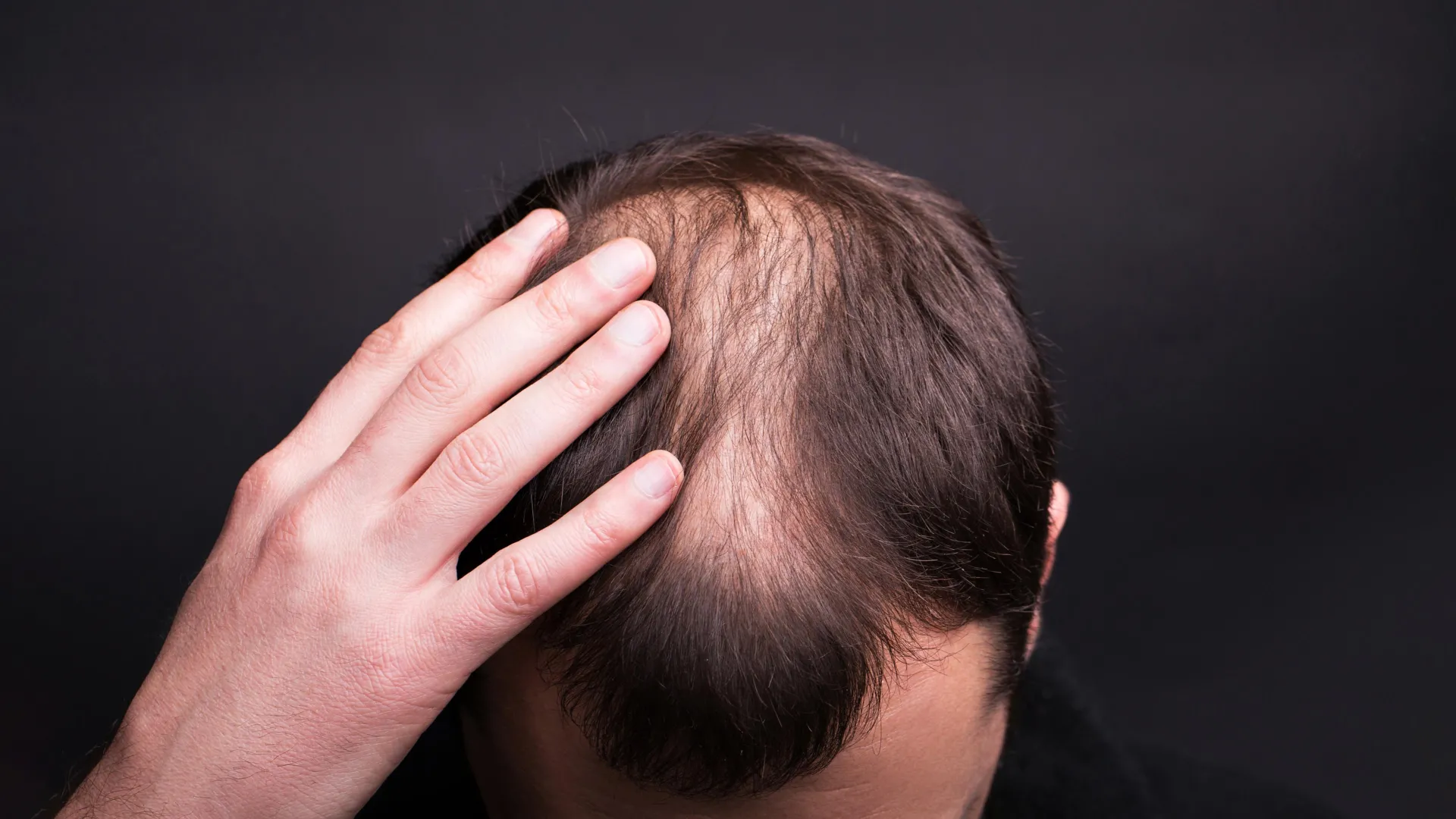
A paradigm-shifting investigation has fundamentally altered the long-held scientific consensus regarding the physiological mechanism of human hair growth, revealing an intricate cellular orchestration that actively pulls hair upwards, rather than the previously accepted process of cellular propulsion from the base. This profound discovery, emerging from a collaborative effort between L’Oréal Research & Innovation and Queen Mary University of London, challenges decades of biological textbook explanations and promises to reshape future approaches to dermatological conditions, including various forms of hair loss and the burgeoning field of hair regeneration.
For over a century, the prevailing scientific understanding, deeply embedded in textbooks and academic discourse, posited that hair strands elongated primarily due to the proliferative activity of cells within the hair bulb, located at the deepest part of the follicle. In this traditional model, new cells generated at the base would physically push older cells upwards, leading to the visible emergence and growth of the hair shaft. This seemingly intuitive explanation, rooted in observable cell division and tissue maturation, formed the bedrock of our understanding of hair biology. However, the sophisticated methodologies employed in this recent study have unveiled a far more dynamic and mechanically driven process, exposing a previously unseen cellular ballet within the follicle.
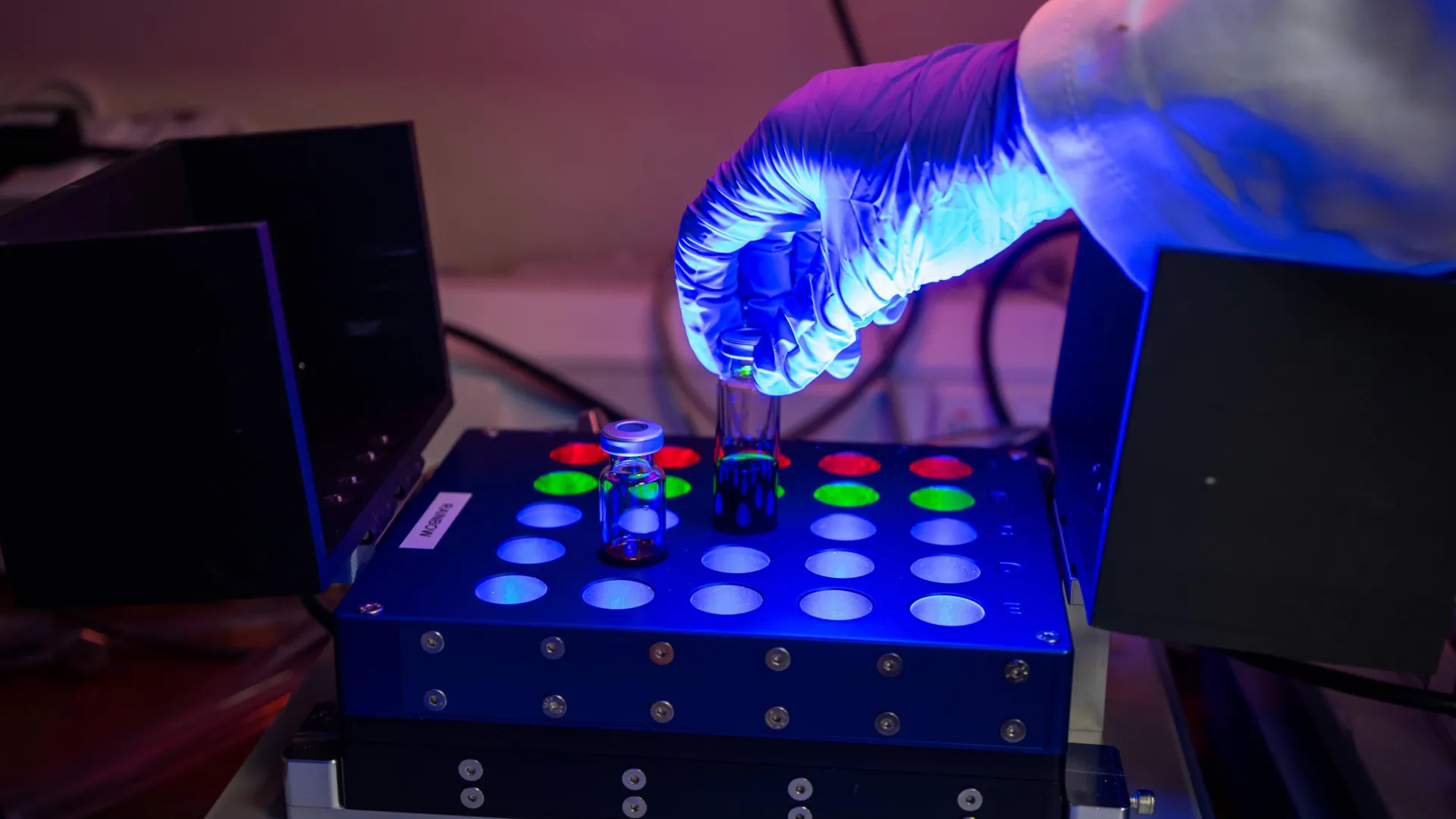
The research team leveraged state-of-the-art 3D live imaging techniques to meticulously observe the intricate cellular behaviors within living human hair follicles, carefully maintained in a controlled laboratory environment. This advanced microscopy allowed for an unprecedented, real-time visualization of cellular dynamics, moving beyond static snapshots to capture the complex kinetics and migratory patterns that are crucial for understanding such a nuanced biological process. The findings, subsequently published in the esteemed journal Nature Communications, delineate a mechanism where cells of the outer root sheath—a critical layer that encases the hair shaft—execute a synchronized, downward spiral movement. This coordinated cellular migration, astonishingly, generates the very upward pulling force responsible for hair elongation.
Dr. Inês Sequeira, a distinguished Reader in Oral and Skin Biology at Queen Mary and a principal author of the study, articulated the significance of this revelation: "Our findings illuminate a truly remarkable cellular choreography occurring within the hair follicle. For many decades, it was a fundamental assumption that hair was extruded solely by the dividing cells situated in the hair bulb. Our comprehensive investigation, however, demonstrates an active upward traction exerted by the surrounding follicular tissue, functioning akin to a sophisticated, microscopic motor." This reinterpretation fundamentally shifts the focus from simple cellular proliferation as the primary driver to a complex interplay of cellular movement and mechanical force generation.
To rigorously test this novel hypothesis, the scientists designed a series of incisive experiments. A pivotal step involved the inhibition of cell division within the hair follicle. According to the established "pushing" model, such an intervention should have invariably halted or significantly impeded hair growth. Surprisingly, the cultured follicles continued their growth trajectory at rates nearly comparable to those observed in control groups, providing a compelling counter-evidence to the long-standing theory. This outcome strongly suggested that the proliferative activity, while essential for generating the building blocks of the hair, was not the sole or even primary propulsive force.
Conversely, when the researchers specifically targeted actin—a ubiquitous protein integral to cellular contraction and movement—the effects were dramatic and unequivocal. Interference with actin function resulted in a precipitous decline in hair growth, plummeting by over 80 percent. This stark reduction directly implicated the mechanical activity of cells, rather than their division, as the predominant engine of hair elongation. Further reinforcing these experimental observations, sophisticated computer simulations were employed to model the physical forces at play. These computational models consistently demonstrated that a coordinated pulling force, originating from the outer layers of the follicle, was not merely sufficient but indeed necessary to replicate the observed rates of hair growth, lending robust quantitative support to the new mechanistic paradigm.
Dr. Nicolas Tissot, the lead author from L’Oréal’s Advanced Research team, underscored the indispensable role of the technological advancements in achieving these insights. "Our utilization of a novel imaging methodology, enabling 3D time-lapse microscopy in real-time, proved absolutely critical. While conventional static images offer only isolated snapshots, 3D time-lapse microscopy is an essential tool for truly unraveling the intricate, dynamic biological processes inherent within the hair follicle. It uniquely reveals crucial cellular kinetics, migratory patterns, and the precise rates of cell divisions that would otherwise be impossible to deduce from discrete observations. This methodological breakthrough was instrumental in allowing us to accurately model the forces generated locally within the follicular structure." The ability to observe these dynamic processes in four dimensions (three spatial and one temporal) fundamentally altered the research landscape for hair biology.
Dr. Thomas Bornschlögl, another leading author from the same L’Oréal team, reiterated the profound implications of these findings. "This research unequivocally demonstrates that hair growth is not driven solely by the process of cell division; instead, the outer root sheath actively exerts an upward pull on the hair shaft." This groundbreaking conceptualization of hair follicle mechanics holds immense promise for various scientific and medical disciplines. A refined understanding of how hair follicles function at this fundamental, mechanical level could unlock unprecedented opportunities to investigate the etiology and progression of hair disorders, develop and rigorously test novel therapeutic compounds, and significantly advance the ambitious goals of tissue engineering and regenerative medicine.
While the experiments were meticulously conducted on human hair follicles cultured in vitro, the findings represent a monumental leap forward in our understanding of hair biology and its broader implications for regenerative medicine. The researchers propose that a comprehensive grasp of the precise physical forces operating within follicles could empower scientists to devise more targeted and effective treatments. Such therapies might concurrently address both the intricate mechanical and the complex biochemical environments of the follicle, offering a more holistic approach to intervention. Furthermore, the innovative imaging techniques pioneered in this study provide a powerful new platform for efficiently screening and evaluating potential drugs and therapies on living follicular units, accelerating the pace of translational research.
This landmark study also serves as a compelling testament to the expanding and increasingly critical influence of biophysics in contemporary biological research. It starkly illustrates how minute, localized mechanical forces, operating at the microscopic scale, can profoundly dictate the growth, morphology, and overall behavior of complex structures within the human body. The integration of physics principles with biological investigations is increasingly revealing fundamental mechanisms that underpin life processes, moving beyond purely biochemical explanations to embrace the full spectrum of physical interactions that govern cellular and tissue function.
The ramifications of this discovery extend beyond the academic realm, potentially ushering in a new era for the cosmetics and pharmaceutical industries. Current hair loss treatments predominantly target hormonal pathways (e.g., DHT inhibition) or attempt to improve blood flow to the follicle. A deeper understanding of the mechanical forces involved could lead to entirely new classes of therapeutic agents that modulate cellular contractility or reorganize the cytoskeletal elements responsible for the pulling action. Imagine therapies that don’t just slow loss but actively stimulate growth by enhancing the "follicular motor." This paradigm shift opens avenues for interventions previously unimagined, moving from treating symptoms to addressing the core mechanical drivers of growth.
Future research directions are manifold. Scientists will undoubtedly delve deeper into the molecular signaling pathways that regulate this newly identified mechanical network. What are the specific biochemical cues that orchestrate the coordinated spiral movement of the outer root sheath cells? How do these mechanical forces interact with traditional growth factors and hormones? Furthermore, understanding if these mechanisms are universally conserved across different hair types (e.g., scalp hair vs. body hair) and across various mammalian species will be crucial. The ultimate goal remains the translation of these in vitro insights into in vivo applications, moving through animal models to eventually inform human clinical trials. This fundamental re-evaluation of hair growth mechanics promises to unlock transformative solutions for millions affected by hair disorders and provides a powerful new lens through which to view the dynamic complexity of human biology.


 Safa Marwah
 Aura Kasih
 Lisa Mariana
 Ridwan Kamil