
 Aura Kasih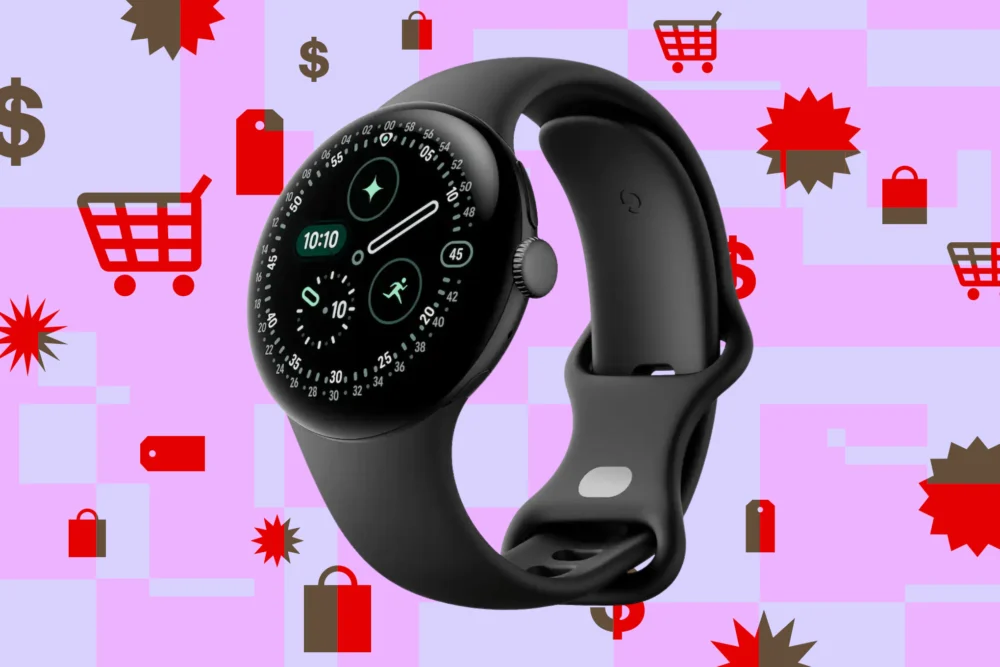
In a significant development for the wearable technology sector, Google’s latest flagship smartwatch, the Pixel Watch 4, alongside its predecessor, the Pixel Watch 3, are now available at their absolute lowest price points to date, signaling a potentially aggressive market strategy from the tech giant. This opportune moment coincides with the increasing popularity of outdoor fitness activities, presenting consumers with an exceptional value proposition on advanced health and fitness tracking devices.
The current market landscape is witnessing an unprecedented surge in discounts for Google’s Pixel Watch lineup. The cutting-edge Pixel Watch 4, celebrated for its comprehensive suite of health and fitness monitoring capabilities, has seen its price slashed, making it more accessible than ever. This substantial price reduction, coupled with the already impressive features of the device, positions it as a compelling choice for individuals looking to enhance their active lifestyles. Simultaneously, the previous generation, the Pixel Watch 3, has also experienced its most significant price drop, offering a more budget-friendly entry point into Google’s ecosystem of smart wearables. These aggressive pricing strategies are available across major retail channels, including Amazon, Best Buy, and Target, indicating a concerted effort to capture a larger market share.
Pixel Watch 4: A Leap Forward in Wearable Technology
The Pixel Watch 4 represents a significant evolution in Google’s wearable offerings, building upon the foundation laid by its predecessors while introducing a host of substantial upgrades. This latest iteration is designed not merely as a fitness tracker but as a sophisticated personal health and productivity companion, deeply integrated with Google’s AI capabilities.
One of the most notable advancements is the integration of dual-frequency GPS. This sophisticated navigation system significantly enhances location accuracy, particularly in challenging environments where traditional GPS signals can be obstructed, such as dense urban landscapes with towering buildings or thick forest canopies. For outdoor enthusiasts, runners, cyclists, and hikers, this translates to more reliable route tracking and precise distance measurements, crucial for performance analysis and safety. The ability of the Pixel Watch 4 to automatically detect and record specific cardio activities, including running and cycling, further streamlines the user experience, allowing individuals to focus on their workout rather than manual logging.
The Pixel Watch 4 also introduces enhanced sleep tracking features, providing users with deeper insights into their sleep patterns and overall sleep quality. This is complemented by the inclusion of satellite SOS functionality on the LTE model, a critical safety feature that can provide a lifeline in remote areas where cellular service is unavailable. The integration of Gemini, Google’s advanced AI model, imbues the Pixel Watch 4 with intelligent capabilities. This includes innovative gesture controls, such as the "raise-to-talk" feature, which proves remarkably convenient during physical activities, allowing for quick voice commands without interrupting the flow of a workout.

Beyond its software prowess, the Pixel Watch 4 boasts significant hardware improvements. A key development is the enhanced repairability, with both the screen and battery now designed for easier replacement. This strategic move not only extends the potential lifespan of the device, making it a more sustainable and cost-effective investment over time, but also addresses a common concern among consumers regarding the longevity of smartwatches. The display has also been enlarged and made brighter, offering improved visibility in various lighting conditions. Battery life has seen a notable increase, with the standard model providing approximately a day and a half of use on a single charge, and the larger 45mm variant extending this to around 45 hours, a considerable upgrade from the Pixel Watch 3’s battery performance. Charging speeds have also been optimized, enabling the watch to reach 80% capacity in under 30 minutes. An added convenience is the side-mounted charger’s ability to function as a glanceable display, providing easy access to essential information like battery percentage.
Pixel Watch 3: A Value Proposition with Enduring Appeal
While the Pixel Watch 4 commands attention with its cutting-edge features, the Pixel Watch 3 remains a highly capable and attractive option, particularly given its current unprecedented pricing. This model offers a robust set of health and fitness tools that continue to meet the needs of a broad spectrum of users.
The Pixel Watch 3 excels in tracking fundamental health metrics, including daily activity levels, sleep quality, blood oxygen saturation (SpO2), and heart rate. Its seamless integration with Google’s ecosystem allows for convenient access to essential services. Users can download offline maps for navigation, utilize Google Wallet for contactless payments, and control a variety of smart home devices directly from their wrist. This includes managing Nest cameras and video doorbells, as well as interacting with Google TV devices, demonstrating its versatility as a central hub for managing a connected lifestyle.
While the Pixel Watch 3 may lack some of the advanced hardware and AI-driven features of the Watch 4, such as dual-frequency GPS and the enhanced repairability, its core functionalities remain highly relevant. The affordability it now presents makes it an exceptionally compelling choice for individuals seeking a well-rounded smartwatch experience without the premium price tag of the latest generation.
Strategic Pricing and Market Implications
The aggressive pricing of both the Pixel Watch 4 and Pixel Watch 3 suggests a deliberate strategy by Google to gain significant traction in the highly competitive smartwatch market. Historically, Google’s hardware division has faced challenges in establishing a dominant presence against established players. These substantial price reductions could be interpreted as a move to:

- Increase Market Share: By making their devices more affordable, Google aims to attract a wider consumer base, including those who may have previously opted for competing brands due to price considerations. This is particularly relevant as the smartwatch market matures and price sensitivity becomes a more significant factor for many consumers.
- Drive Ecosystem Adoption: The Pixel Watch lineup is intrinsically linked to the broader Google ecosystem, including Android smartphones, Wear OS, and Google Assistant. Lowering the entry barrier for these wearables can encourage users to further invest in and rely on Google’s interconnected services.
- Compete with Established Brands: The smartwatch market is dominated by companies like Apple, Samsung, and Garmin, each with its loyal customer base and distinct product strategies. Google’s pricing adjustments indicate a more direct and aggressive approach to challenging these incumbents.
- Clear Inventory: While less likely to be the sole driver, significant discounts can also serve to clear inventory of older models, making way for future product cycles. However, the breadth of the discounts across both generations suggests a more strategic market play.
- Signal Commitment to Wearables: These price drops can be seen as a strong signal of Google’s continued commitment to its wearable technology ambitions, despite previous market challenges. It suggests a willingness to invest in gaining market share through attractive pricing.
Expert Analysis and Future Outlook
The current pricing strategy for the Pixel Watch series is a bold move that could significantly reshape the competitive dynamics within the smartwatch industry. For consumers, this presents an unparalleled opportunity to acquire advanced wearable technology at exceptional value. The Pixel Watch 4, in particular, offers a compelling blend of sophisticated health tracking, AI-powered features, and improved hardware durability, making it a strong contender for the best overall smartwatch, especially at its current price point.
The Pixel Watch 3, while a generation older, continues to provide a robust and feature-rich experience, and its current price makes it an even more attractive proposition for budget-conscious buyers who prioritize core smartwatch functionalities and Google ecosystem integration.
Looking ahead, these aggressive pricing tactics could force competitors to re-evaluate their own pricing strategies and product roadmaps. The increased accessibility of Google’s Wear OS devices may also accelerate the adoption of the platform, potentially leading to greater third-party developer support and a richer app ecosystem.
The long-term success of this strategy will depend on several factors, including sustained marketing efforts, continued innovation in software and hardware, and the ability to maintain a positive consumer perception of value beyond just the initial purchase price. However, the current market conditions, characterized by these unprecedented price drops, undoubtedly mark a pivotal moment for Google’s presence in the wearable technology arena, offering consumers a tangible benefit in the form of highly capable smartwatches at their most affordable levels ever.



 Ayu Aulia
 Ridwan Kamil
 Safa Marwah
 Lisa Mariana