Ridwan Kamil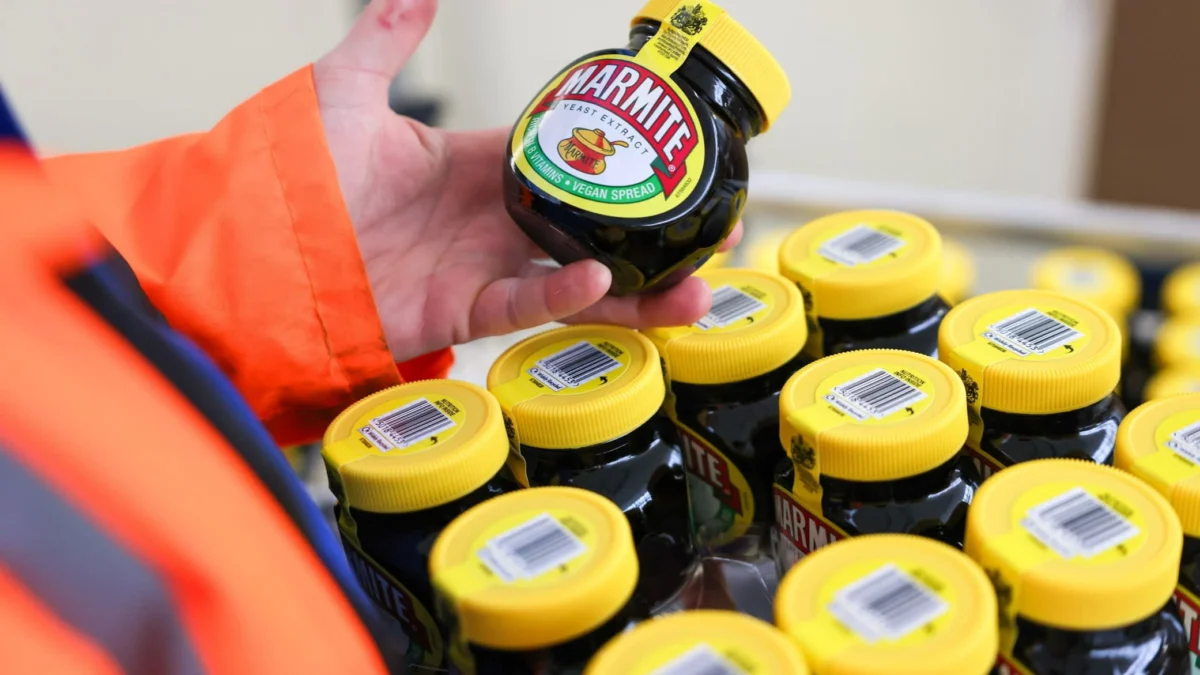
In a significant strategic pivot, consumer goods titan Unilever is reportedly engaged in advanced discussions for the divestment of its substantial food division, with industry stalwart McCormick & Company emerging as a leading contender to acquire the vast array of iconic brands. This potential transaction, if finalized, would represent a monumental reshaping of the global food landscape, consolidating McCormick’s dominance in the spice and sauce sector while allowing Unilever to sharpen its focus on its more lucrative beauty and personal care segments.
The ongoing negotiations signal a pivotal moment for both multinational corporations. For Unilever, a company that has long been a powerhouse in the food industry with brands that have graced dinner tables for generations, this move signifies a strategic recalibration. The conglomerate, under pressure to streamline its operations and enhance shareholder value, is understood to be seeking a buyer that can not only absorb its diverse food portfolio but also unlock its latent potential. McCormick, a company with a deep-rooted heritage in flavoring and a global reach, appears to be the ideal suitor, possessing the expertise, distribution networks, and brand affinity to effectively manage and grow these culinary assets.
Unilever’s food division encompasses a broad spectrum of well-recognized names, ranging from popular savory brands to essential pantry staples. This extensive collection presents a compelling opportunity for McCormick, a company that has consistently demonstrated its ability to innovate and expand within the culinary realm. McCormick’s existing strength in spices, herbs, seasonings, and sauces provides a natural synergy with many of Unilever’s food offerings. The acquisition could lead to significant cross-promotional opportunities, enhanced research and development capabilities, and a more comprehensive offering to consumers and foodservice partners worldwide.
The rationale behind Unilever’s potential sale of its food division is multifaceted. For years, the company has been under scrutiny from investors to improve its financial performance and to shed underperforming or non-core assets. While its food brands have a strong heritage and significant market presence, their growth trajectories may not align with the higher margins and faster growth potential observed in Unilever’s other divisions, particularly its thriving beauty and personal care businesses. Divesting the food segment would allow Unilever to reallocate capital and management attention towards these more dynamic areas, potentially leading to increased profitability and shareholder returns. This strategic pruning is a common tactic employed by large corporations seeking to optimize their business portfolios in an increasingly competitive global market.
McCormick, on the other hand, stands to gain immensely from such an acquisition. The company, renowned for its commitment to quality ingredients and its extensive portfolio of flavor solutions, has a proven track record of successful acquisitions. Integrating Unilever’s food brands into its existing operations would significantly expand McCormick’s market share, broaden its consumer reach, and diversify its revenue streams. The scale of such a deal would undoubtedly elevate McCormick’s standing in the global food industry, transforming it from a leading flavor company into a more comprehensive food solutions provider. This expansion could also lead to greater bargaining power with suppliers and retailers, further strengthening its competitive position.
The potential impact of this transaction extends beyond the two principal parties. For consumers, the implications are likely to be nuanced. On one hand, the integration of brands under a single, specialized management could lead to enhanced product innovation, improved quality control, and more targeted marketing efforts. Consumers could see a renewed focus on the quality and origin of ingredients, as well as the development of new flavor profiles and product lines. On the other hand, any consolidation in the market can sometimes lead to concerns about reduced competition and potential price increases. However, given McCormick’s existing strong presence and the competitive nature of the broader food industry, significant negative impacts on consumer choice or pricing are unlikely.
From an operational perspective, the integration of two large entities would present significant challenges and opportunities. McCormick would need to meticulously absorb Unilever’s extensive manufacturing facilities, supply chains, distribution networks, and workforce. The success of this integration would hinge on effective management of cultural differences, operational synergies, and the preservation of brand equity. Unilever, conversely, would be streamlining its global footprint, allowing for a more concentrated approach to its remaining business segments. This would involve managing the divestment process, including due diligence, regulatory approvals, and the smooth transition of employees and assets.
The financial implications of this potential deal are substantial. While specific figures remain confidential, it is understood that the valuation of Unilever’s food division would be a significant undertaking, likely running into billions of dollars. McCormick’s ability to finance such an acquisition would be a key factor, potentially involving a combination of cash reserves, debt financing, and possibly equity offerings. The market reaction to such a deal would be closely watched, with investors assessing the strategic fit, the potential for synergies, and the overall impact on the financial health and future growth prospects of both companies. Analysts will be keen to dissect the financial models and projected returns from this transformative acquisition.
Looking ahead, the successful completion of this transaction would mark a new chapter for both Unilever and McCormick. For Unilever, it would signify a bold step in its evolution towards a more focused and agile organization, better positioned to capitalize on emerging consumer trends in health, wellness, and sustainability within its core beauty and personal care markets. For McCormick, it would represent a monumental leap forward, solidifying its position as a global leader in the food industry and a dominant force in the flavor and culinary solutions space. The long-term success of this integration will depend on McCormick’s ability to leverage the acquired brands effectively, drive innovation, and maintain the trust and loyalty of consumers worldwide. The food industry, ever-evolving, will undoubtedly be watching this unfolding narrative with keen interest, as it has the potential to redefine competitive dynamics and consumer experiences on a global scale. The strategic foresight and execution displayed by both companies in navigating this complex negotiation and potential integration will be a testament to their leadership and their commitment to long-term growth and shareholder value.




 Ayu Aulia
 Safa Marwah
 Aura Kasih
 Lisa Mariana