Ridwan Kamil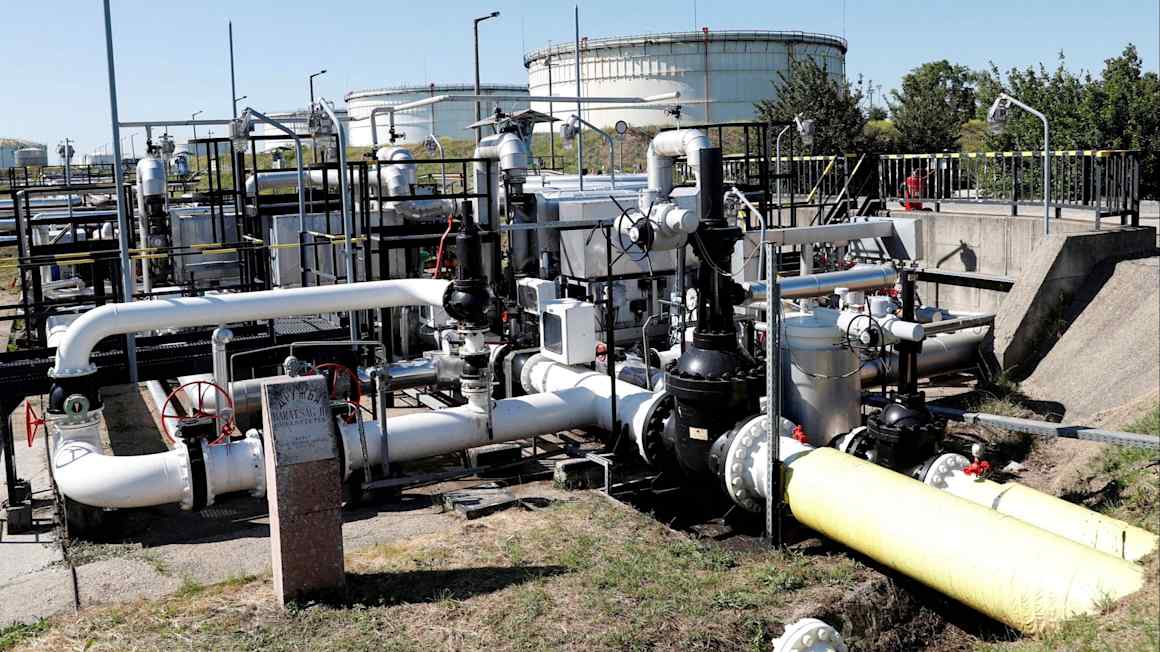
Kyiv’s leader has issued a forceful appeal to European nations, demanding an immediate and comprehensive embargo on all Russian oil imports, framing it as a critical lever to cripple Moscow’s war machine and accelerate an end to the conflict in Ukraine. This direct challenge to the continent’s energy dependencies underscores the escalating pressure on international actors to translate diplomatic condemnations into tangible economic sanctions that inflict maximum pain on the aggressor.
The Ukrainian president’s pronouncement arrives at a pivotal juncture in the ongoing conflict, a moment where the efficacy and ethical considerations of economic pressure are under intense scrutiny. For months, Western allies have grappled with the complex calculus of weaning themselves off Russian energy, a relationship deeply entrenched and vital to the economic stability of several European Union member states. While initial sanctions have targeted various sectors of the Russian economy, the continued flow of oil revenue has provided Moscow with a crucial financial lifeline, enabling it to sustain its military operations.
President Zelenskyy’s call for a complete oil embargo is not merely a plea for solidarity; it is a strategic imperative rooted in the understanding that financial leverage is a potent weapon. By cutting off this significant source of income, Ukraine argues, the international community can directly impact Russia’s capacity to wage war, thereby shortening the duration of hostilities and mitigating further human suffering and destruction. The appeal highlights the inherent contradiction in supporting Ukraine militarily while simultaneously funding the very infrastructure that fuels the invasion.
The economic implications of such a sweeping measure are undeniably substantial and far-reaching. Europe, in particular, relies heavily on Russian crude oil and refined products. A sudden cessation would undoubtedly trigger significant market volatility, leading to price surges and potential supply disruptions across the continent. This would inevitably translate into increased energy costs for consumers and businesses, potentially fueling inflation and dampening economic growth. The intricate web of global energy markets means that such a shockwave would not be confined to Europe, with ripple effects felt in oil-importing nations worldwide.
However, the proponents of a full oil embargo argue that the long-term costs of inaction—continued conflict, geopolitical instability, and the erosion of international law—far outweigh the immediate economic challenges. They posit that while the transition away from Russian oil will necessitate difficult adjustments, it is a necessary price to pay for upholding principles of sovereignty and territorial integrity. The argument is that diversified energy sources, investments in renewable technologies, and strategic partnerships can cushion the blow and ultimately create a more resilient and secure energy landscape for Europe.
The debate over Russian oil imports has exposed deep divisions within the European Union, reflecting varying degrees of reliance on Russian energy and differing national economic vulnerabilities. Countries like Germany, heavily dependent on Russian gas and oil, have expressed reservations about the feasibility and economic fallout of an immediate embargo. Conversely, nations closer to Ukraine, such as Poland and the Baltic states, have been more vociferous in their calls for a complete energy cutoff, viewing it as a moral imperative and a necessary step to demonstrate unwavering resolve against Russian aggression.
This divergence of opinion highlights the intricate geopolitical maneuvering at play. The decision to impose a full oil embargo is not solely an economic one; it is a political act with profound implications for the future of European energy security and the continent’s relationship with Russia. The Ukrainian president’s direct appeal is designed to put maximum pressure on wavering European leaders, urging them to prioritize shared values and long-term security over immediate economic comfort.
Furthermore, the Ukrainian leadership is keenly aware of the psychological impact of sustained economic support for Russia. Every barrel of oil that continues to flow into European refineries represents a financial contribution, however indirect, to Moscow’s war effort. By demanding a complete embargo, Kyiv aims to sever this financial artery, forcing Russia to confront the economic consequences of its actions more directly and with greater urgency. This approach aligns with a broader strategy of economic warfare, designed to degrade Russia’s capacity to sustain a protracted conflict.
The effectiveness of an oil embargo hinges on several factors. Firstly, the degree of global coordination will be crucial. If other major oil-consuming nations, particularly in Asia, continue to purchase Russian oil, the impact of a European embargo will be significantly diluted. Russia could then redirect its oil exports to these markets, mitigating the economic damage. Therefore, sustained diplomatic efforts to secure broader international buy-in are paramount.
Secondly, the speed and effectiveness of Europe’s transition to alternative energy sources will determine the duration and severity of the economic disruption. Investments in liquefied natural gas (LNG) infrastructure, increased domestic production where feasible, and accelerated deployment of renewable energy technologies will be critical in offsetting the loss of Russian supplies. The challenge lies in the fact that these transitions are not instantaneous; they require significant capital investment, logistical planning, and time.
Thirdly, the potential for Russia to retaliate through energy supply disruptions or other economic countermeasures remains a significant concern. Moscow has demonstrated a willingness to weaponize its energy resources in the past, and any drastic measure like an oil embargo could provoke a commensurate response, further exacerbating global energy market instability.
President Zelenskyy’s bold challenge to Europe also serves as a powerful reminder of the human cost of the conflict. For Ukraine, every day of war means further loss of life, displacement of populations, and devastation of infrastructure. The urgency of the situation on the ground fuels the demand for decisive action, and economic sanctions are seen as a vital tool to hasten the end of hostilities. The argument is that delaying comprehensive economic measures only prolongs the suffering and increases the ultimate cost of reconstruction.
The Ukrainian president’s appeal compels a deeper examination of Europe’s strategic autonomy and its long-term energy policy. The current crisis has starkly illuminated the vulnerabilities inherent in over-reliance on a single, potentially adversarial supplier. This moment presents an opportunity for Europe to accelerate its energy transition, not only for geopolitical reasons but also to achieve greater long-term economic stability and environmental sustainability.
Looking ahead, the decision on a full Russian oil embargo will likely be a protracted and contentious one, involving complex negotiations between EU member states, consultations with international partners, and careful consideration of economic ramifications. However, President Zelenskyy’s unwavering stance has undeniably elevated the stakes and placed a moral and strategic imperative firmly on the European agenda. The continent now faces a critical juncture: to continue a path of incremental sanctions, or to embrace a more aggressive economic strategy that, while potentially disruptive in the short term, could lead to a swifter resolution of the conflict and a more secure future for all. The coming weeks and months will reveal whether Europe is prepared to make the difficult choices necessary to fundamentally alter the economic landscape and exert maximum pressure on Russia to cease its aggression.


 Safa Marwah
 Lisa Mariana
 Ayu Aulia