Lisa Mariana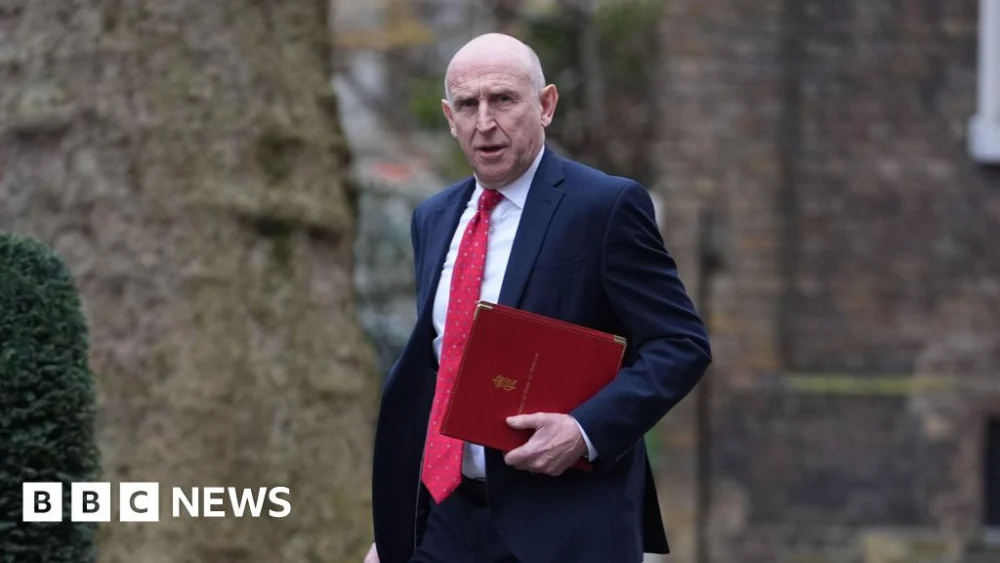
In a critical diplomatic maneuver, the United Kingdom’s Defence Secretary, John Healey, has undertaken a pivotal visit to Cyprus, engaging with his Cypriot counterpart following a wave of drone assaults on a British Royal Air Force installation on the island, an incident that has triggered significant scrutiny regarding London’s initial response and overall strategic posture in the volatile Eastern Mediterranean. This high-stakes engagement unfolded against a backdrop of escalating hostilities across the broader Middle East, underscoring the delicate balance the UK seeks to maintain between safeguarding its sovereign interests and navigating complex geopolitical alliances. The discussions between Secretary Healey and Cypriot Defence Minister Vasilis Palmas centered on bolstering joint air defence capabilities and reinforcing collaborative security frameworks, aiming to project a unified front amidst growing regional instability.
The decision for Secretary Healey to travel to Cyprus underscores the gravity of the situation and the perceived need to address concerns directly. The RAF Akrotiri base, a vital strategic asset for the United Kingdom, was targeted by drone attacks, which, despite causing only minimal structural damage and no casualties, sent ripples of apprehension through Nicosia and beyond. Dr. Kyriacos Kouros, Cyprus’s High Commissioner to the United Kingdom, articulated a palpable sense of "disappointment" within the Cypriot populace regarding the transparency and timeliness of information disseminated following the assaults. This sentiment highlights a crucial aspect of allied relations: the expectation of open communication and robust support in times of direct threat. The incident immediately prompted questions from various political quarters within the UK and among its international partners regarding the readiness and sufficiency of British military assets deployed in the region, a notion vehemently refuted by Downing Street, which maintained that its operational preparedness was consistently under rigorous review.
The drone attacks on the Cypriot base were not isolated events but rather occurred within a tightly compressed timeline of heightened regional conflict. They followed closely on the heels of joint US-Israeli military actions against targets within Iran, which themselves precipitated a series of retaliatory strikes initiated by Tehran. This dangerous tit-for-tat escalation has rapidly broadened the geographical scope of conflict, drawing previously peripheral actors and locations, such as the UK’s Cypriot base, into the direct line of fire. The British government has since confirmed the dispatch of HMS Dragon, a formidable warship equipped with advanced air defence systems, to the vicinity of Cyprus, although its anticipated arrival in the Eastern Mediterranean is not expected until the following week. This delay has fueled further debate concerning the immediacy and agility of the UK’s defensive deployments, with critics questioning whether the nation was adequately prepared for such contingencies, particularly given the simmering tensions in the Middle East that have been evident for months.
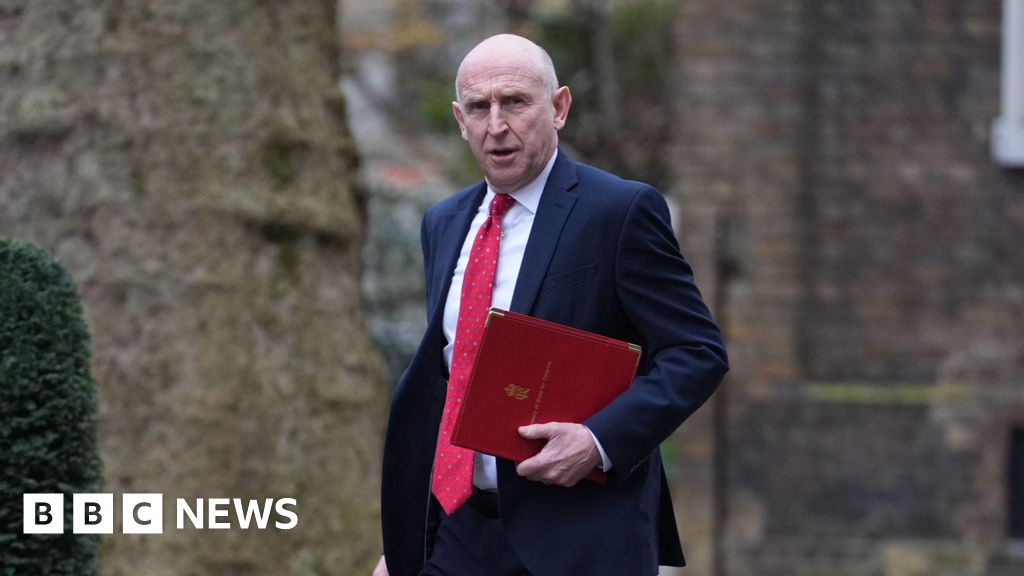
Addressing these criticisms, a spokesperson for the Prime Minister reiterated that strategic and operational decisions are subject to continuous evaluation, firmly rejecting any assertion of insufficient preparation. The spokesperson underscored that robust defensive measures, including sophisticated air defence systems, advanced radar installations, and F-35 fighter jets positioned in Cyprus, alongside Typhoon aircraft stationed in Qatar, have been proactively in place since the beginning of the year. This statement aims to contextualize the UK’s defence posture as one of ongoing vigilance rather than reactive scramble. However, the timing of additional reinforcements, reportedly weeks after initial American requests for the use of British bases for potential counter-Iran operations, suggests a nuanced and perhaps cautious approach to direct engagement, which some allies have interpreted as hesitancy.
Secretary Healey’s visit coincided with stark warnings from the UK government regarding the protracted nature of the current Middle East crisis. Junior Minister Hamish Falconer cautioned the House of Commons that the unfolding events are indicative of a conflict that could span "weeks and possibly months," rather than days, urging Iran to cease its "reckless" actions that imperil regional stability. This long-term assessment underscores the strategic challenges confronting Western powers and necessitates a sustained, coherent response. The Shadow Foreign Secretary, Priti Patel, articulated a firm stance, emphasizing that "Britain cannot sit on the fence" and that "our adversaries must know that we must not stand back when our allies are under such attack," reflecting a bipartisan consensus on the imperative of robust action. Similarly, Conservative leader Kemi Badenoch argued that swift, decisive intervention might be the most effective path to de-escalation, asserting that the attacks on British bases fundamentally altered the UK’s involvement in the conflict, whether desired or not.
The broader diplomatic landscape reveals significant fissures. Former US President Donald Trump publicly criticized Sir Keir Starmer’s initial reluctance to permit American forces to utilize British bases for offensive strikes, prior to a subsequent decision to allow their use for "defensive" operations. This public rebuke from a key international figure highlights the complex political calculations and the potential strain on the historically robust Anglo-American relationship. Furthermore, Ms. Badenoch voiced concerns that key allies perceive the UK as "abandoning them," citing unprecedented public criticisms from Gulf states such as Bahrain, Kuwait, and the UAE. Such statements from traditionally close partners signify a deeper dissatisfaction that extends beyond immediate operational responses, hinting at a potential erosion of trust and influence.
Internationally, other European nations have also taken steps to bolster their presence in the Eastern Mediterranean. France has deployed a warship off the Cypriot coast, while Spain has announced the dispatch of a frigate to the same waters, anticipated to arrive early next week. These deployments, whether coordinated or unilateral, reflect a growing European apprehension regarding the security ramifications of the escalating Middle East crisis on the continent’s southern flank. The collective strengthening of naval presence in the region could be interpreted as a deterrent signal, aimed at preventing further destabilization and protecting vital maritime routes.

Detailed assessments of the drone strike on the British base indicated that the projectile was a Shahed-type unmanned aerial vehicle, a model frequently associated with Iranian proxies and known for its operational range and destructive potential. Crucially, Western intelligence officials concluded that the drone was not launched directly from Iranian territory. While refraining from public attribution, British military intelligence reportedly assessed Hezbollah, the Iran-backed Lebanese militant group, as the most probable originator of the attack. This attribution underscores the complex, multi-layered nature of the conflict, where state and non-state actors operate through proxy networks, making clear lines of responsibility challenging to establish. Beyond the initial successful strike, several additional drones were reportedly intercepted by defensive systems, preventing further incursions. As a precautionary measure, the Ministry of Defence temporarily relocated family members from the base, emphasizing the imperative to prioritize personnel safety amidst the volatile security environment.
The Cypriot High Commissioner’s frank assessment that his compatriots felt "disappointed," "scared," and "could expect more" from the UK underscores the profound impact of the incident on the local population and the bilateral relationship. His expression of gratitude to Sir Keir Starmer for acknowledging Cypriot concerns, coupled with a desire "to see more" concrete action, reflects a yearning for more visible and proactive security guarantees. Home Office Minister Alex Norris reiterated the UK’s unwavering commitment to "protecting the nation’s interests" and emphasized the collaborative efforts with "close partner" Cyprus, attempting to reassure both domestic and international audiences of the government’s resolve. Amidst these developments, commercial airlines have begun organizing flights from the region, offering assistance to individuals seeking to return home, a measure that further highlights the tangible concerns regarding regional safety and stability. The ongoing crisis therefore not only presents a military and diplomatic challenge but also carries significant human implications, compelling governments to consider the safety of their citizens abroad.
The strategic significance of RAF Akrotiri, located on a sovereign British base area, cannot be overstated. It serves as a crucial staging post for operations across the Middle East, a vital intelligence gathering hub, and a key node in the UK’s broader defence architecture. Any threat to its integrity represents a direct challenge to British sovereignty and its capacity to project power and influence. The use of drones, particularly those attributed to non-state actors like Hezbollah, marks an evolving threat landscape, one that demands sophisticated, multi-layered air defence systems capable of countering asymmetric and often low-cost, high-impact attacks. This incident will undoubtedly prompt a deeper re-evaluation of the UK’s forward defence capabilities, its intelligence sharing protocols with host nations, and its broader strategic posture in a region increasingly defined by proxy warfare and rapid escalation. The visit by Secretary Healey, while a necessary diplomatic step, initiates a much larger conversation about deterrence, defence, and diplomacy in an interconnected and highly volatile world, where regional conflicts can swiftly ripple outwards, impacting global stability.


 Ridwan Kamil
 Aura Kasih

 Safa Marwah