Ridwan Kamil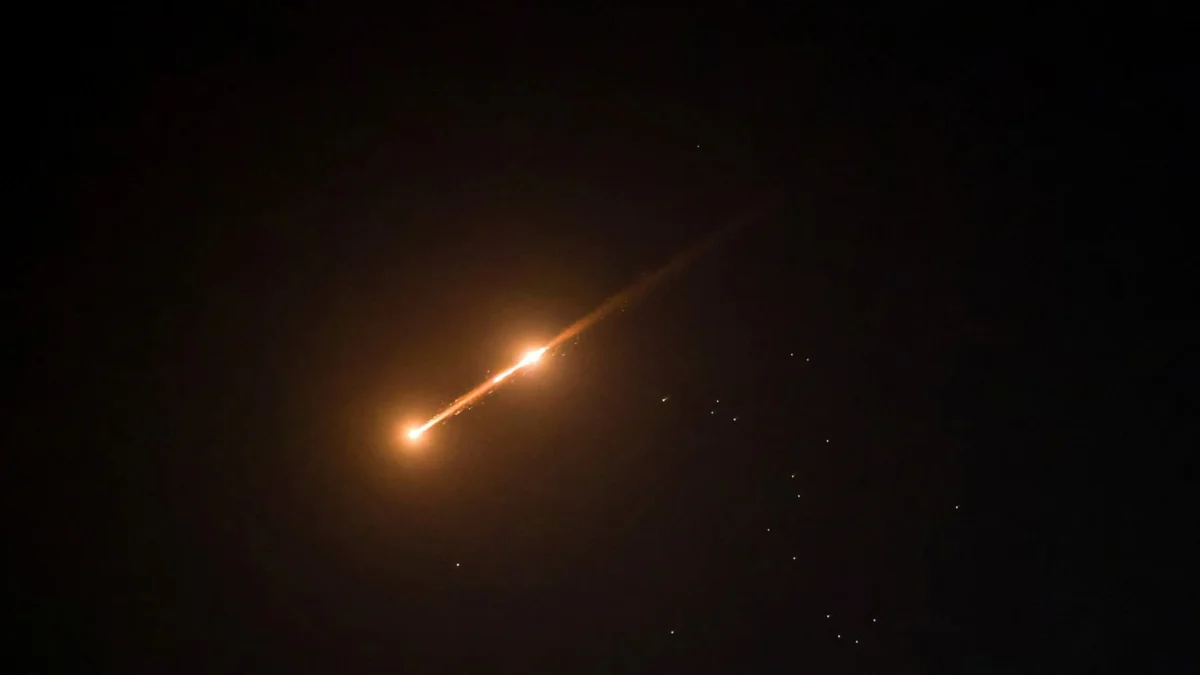
Former President Donald Trump is reportedly considering a significant recalibration of United States military posture in the Middle East, with a particular focus on potentially scaling back operations targeting Iran. This potential policy pivot, if implemented, would mark a substantial departure from the previous administration’s "maximum pressure" campaign and could have profound implications for regional stability and global geopolitical dynamics.
The contemplation of reducing U.S. military engagement against Iran stems from a complex web of factors, including a desire to reallocate resources, a re-evaluation of the efficacy of sustained military pressure, and a broader strategic assessment of American interests in the volatile Middle East. This potential shift is occurring against a backdrop of persistent regional tensions, including ongoing proxy conflicts, nuclear proliferation concerns, and the enduring threat of terrorism, all of which are deeply intertwined with the U.S.-Iran relationship.
Historical Context: A Legacy of Escalation and Diplomacy
To fully comprehend the potential implications of a U.S. military drawdown concerning Iran, it is crucial to examine the historical trajectory of this relationship. Following the 1979 Islamic Revolution, U.S.-Iran relations entered a period of sustained antagonism. This animosity has manifested in various forms, including diplomatic isolation, economic sanctions, and, at times, direct or indirect military confrontations.
The Obama administration pursued a diplomatic approach culminating in the Joint Comprehensive Plan of Action (JCPOA), commonly known as the Iran nuclear deal, in 2015. This agreement aimed to curb Iran’s nuclear program in exchange for sanctions relief. However, the Trump administration withdrew the U.S. from the JCPOA in 2018, reimposing stringent sanctions and adopting a more confrontational stance, characterized by increased military presence and rhetoric. This "maximum pressure" policy aimed to cripple Iran’s economy and force concessions on its ballistic missile program and regional activities.
The consequences of this policy were multifaceted. Iran, in response to the economic hardship, began incrementally increasing its uranium enrichment levels and engaging in actions that heightened regional tensions, including attacks on oil tankers and facilities in Saudi Arabia, which were attributed by some to Iranian proxies. The U.S. military presence in the Persian Gulf and surrounding areas was significantly amplified, leading to heightened alert levels and several near-confrontations between U.S. and Iranian forces.
The Rationale Behind a Potential Drawdown
The current considerations by former President Trump suggest a re-evaluation of the effectiveness and sustainability of the previous administration’s aggressive posture. Several potential rationales underpin this contemplation:
- Resource Allocation: Maintaining a significant military footprint in the Middle East requires substantial financial and human resources. A strategic review might conclude that these resources could be more effectively deployed elsewhere, perhaps focused on domestic priorities or other geopolitical theaters. The economic burden of prolonged military engagement is a perennial concern for any administration.
- Efficacy of "Maximum Pressure": The "maximum pressure" campaign, while inflicting considerable economic pain on Iran, did not fundamentally alter its regional policies or its pursuit of nuclear capabilities. In fact, it arguably led to Iranian defiance and increased regional instability. A reassessment could suggest that diplomatic engagement, even with a recalcitrant regime, might yield more productive outcomes than perpetual military posturing.
- De-escalation and Regional Stability: The heightened tensions under the "maximum pressure" policy brought the region perilously close to wider conflict. A drawdown of U.S. military operations could be seen as a de-escalatory measure, aimed at reducing the risk of accidental escalation and creating space for renewed diplomatic efforts. This could involve signaling a willingness to engage in dialogue, even if preconditions remain contentious.
- Focus on Core U.S. Interests: A strategic re-evaluation might prioritize direct threats to U.S. national security and economic interests, potentially deeming certain aspects of the ongoing military operations against Iran as less critical than previously assessed. This could involve a more selective approach to engagement, focusing on specific threats rather than broad-based military operations.
- Domestic Political Considerations: For any political figure, domestic considerations often play a role in foreign policy decisions. A potential drawdown could be framed as a move towards ending "endless wars" or reorienting national priorities, resonating with segments of the electorate.
Potential Implications of a U.S. Military Drawdown
A decision by the United States to wind down military operations against Iran would carry significant and far-reaching implications for the Middle East and beyond:
- Regional Power Dynamics: A reduced U.S. military presence could embolden regional actors who feel less constrained by American oversight. This might include Iran itself, which could interpret the move as a sign of U.S. disengagement, potentially leading to an assertion of its influence in areas where U.S. presence diminishes. Conversely, U.S. allies in the region, such as Saudi Arabia and the United Arab Emirates, might feel increased vulnerability and seek to bolster their own defense capabilities or forge new alliances.
- The Future of the JCPOA: While former President Trump withdrew the U.S. from the JCPOA, a potential recalibration of military policy could signal a renewed openness to diplomatic engagement on the nuclear issue. However, the path back to a multilateral agreement would be fraught with challenges, given the deep mistrust between the U.S. and Iran and the significant concessions each side would demand. Any renewed negotiations would likely face considerable domestic opposition in both countries.
- Proxy Conflicts and Non-State Actors: The complex web of proxy conflicts in Yemen, Syria, Iraq, and Lebanon, where Iran and its allies are active, could see shifts in dynamics. A reduced U.S. military role might lead to a reassessment of strategies by all involved parties. The influence of non-state actors, often supported by Iran, could potentially grow in the absence of a robust U.S. counter-presence.
- Global Geopolitics: The U.S. military posture in the Middle East is a significant factor in global power dynamics. A withdrawal or significant reduction could create strategic vacuums that other global powers, such as China or Russia, might seek to fill. This could lead to a more multipolar and potentially less stable international order.
- Economic Repercussions: The Strait of Hormuz, a vital chokepoint for global oil supplies, remains a focal point of tension. Any perceived weakening of the U.S. commitment to maritime security in the region could impact oil prices and global economic stability. Furthermore, the ongoing sanctions regime against Iran, even if military operations are scaled back, would continue to have economic consequences for Iran and its trading partners.
Expert Analysis and Future Outlook
International relations experts suggest that any U.S. military drawdown would need to be carefully managed to avoid unintended consequences. Dr. Evelyn Reed, a Middle East policy analyst at the Global Security Institute, noted, "A hasty or poorly communicated withdrawal could be interpreted as weakness, emboldening adversaries and alarming allies. The key will be a strategic recalibration that clearly communicates U.S. interests and red lines, while simultaneously opening avenues for de-escalation and diplomacy."
The effectiveness of such a strategy would heavily depend on the specific nature of the "winding down." A complete disengagement would be vastly different from a strategic repositioning that maintains essential capabilities for deterrence and rapid response. The administration would need to clearly define what constitutes "winding down" and articulate the benchmarks for success.
Furthermore, the international community would be watching closely. European allies, who largely remain committed to the JCPOA, would likely advocate for a return to diplomacy and a more multilateral approach. Regional powers would be assessing the implications for their own security architectures, potentially leading to increased defense spending and regional security dialogues independent of U.S. leadership.
The path forward for U.S. policy towards Iran is inherently complex. The decision to consider winding down military operations represents a critical juncture, demanding a nuanced understanding of the region’s dynamics, the historical context of U.S.-Iran relations, and the potential ripple effects of any strategic shift. The ultimate success of such a policy would hinge on its ability to achieve de-escalation, enhance regional stability, and advance U.S. national interests without creating new or more dangerous security challenges. The coming months will likely reveal the extent to which this strategic contemplation translates into concrete policy adjustments and what impact these adjustments will have on the perpetually turbulent Middle East.


 Ayu Aulia
 Safa Marwah
 Aura Kasih
 Lisa Mariana