Lisa Mariana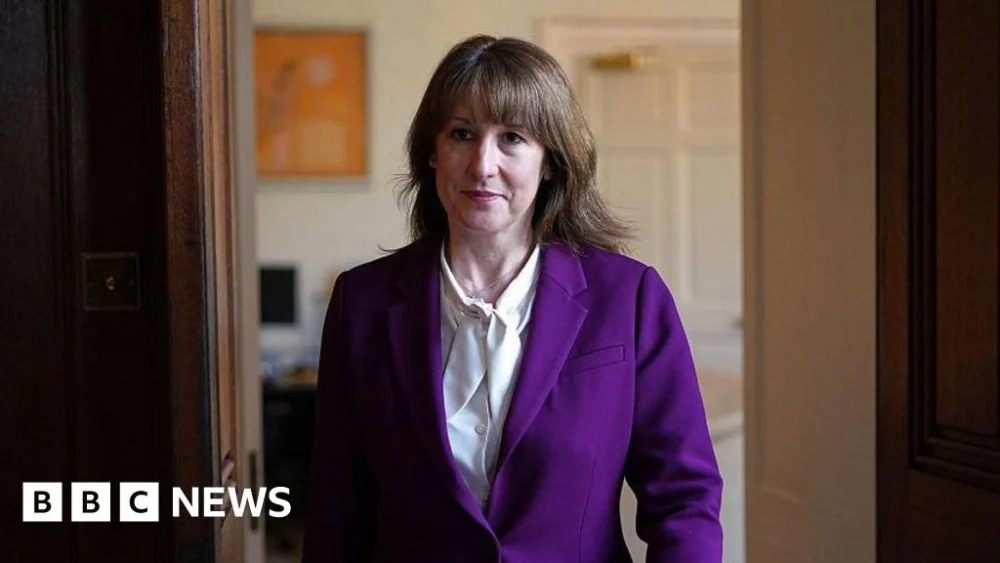
The Chancellor of the Exchequer has committed to an urgent examination of potential governmental interventions designed to alleviate the financial strain on households relying on heating oil, a segment particularly susceptible to the dramatic price fluctuations triggered by recent geopolitical conflicts. This pledge comes as global crude oil benchmarks have experienced significant upward pressure, directly translating into soaring costs for consumers who heat their homes without access to the regulated gas network.
The current global energy landscape is significantly shaped by evolving geopolitical tensions, particularly those stemming from the US-Israeli war with Iran, which has introduced considerable uncertainty into international oil markets. This instability has demonstrably impacted commodity prices, pushing global oil to nearly $120 per barrel earlier this week – a four-year peak – before a modest retraction. Such rapid and substantial increases are directly attributable to market fears regarding potential disruptions to critical supply routes and production capacities, reflecting a heightened risk premium across the energy sector. For households dependent on heating oil, this translates into immediate and often dramatic price hikes, as their fuel is typically purchased in bulk and stored on-site, making them among the first to experience the ripple effects of international volatility.
Chancellor Rachel Reeves has acknowledged the "unique challenges" confronting these households and has initiated a series of high-level discussions. She has tasked the Financial Secretary to the Treasury with convening meetings involving relevant officials and parliamentary representatives from rural constituencies and Northern Ireland. These consultations, scheduled for Wednesday, are intended to explore concrete "action we can take" to provide much-needed support to those grappling with these escalating heating expenses. The urgency of these deliberations underscores the government’s recognition of the immediate and severe financial pressures faced by a distinct segment of the population.
A critical aspect distinguishing heating oil from other domestic energy sources, such as natural gas and electricity, is the absence of a regulatory price cap. While the energy regulator Ofgem implements a price cap to limit the cost of gas and electricity for standard variable tariffs, no such mechanism exists for heating oil. This regulatory gap leaves consumers exposed to the full force of market dynamics, including speculative trading and supply chain disruptions, without a safety net to cushion against extreme price volatility. This lack of protection amplifies the vulnerability of heating oil users, who often reside in off-grid locations with limited alternative heating options.
The severity of the situation has also drawn attention from other senior political figures. Energy Secretary Ed Miliband recently conveyed his profound concern to the chief executive of the UK and Ireland Fuel Distributors Association (UKIFDA), highlighting that the recent surge in heating oil prices has been "significant" and generated considerable anxiety among both residential and commercial users. This direct engagement with industry stakeholders signals the government’s recognition of the systemic issues at play and the need for collaborative solutions.
Demographic data further illuminates the scale and uneven distribution of this challenge. According to the 2021 census, only a small proportion of households in England and Wales, specifically 3%, reported heating oil as their sole central heating source. Scotland shows a slightly higher, yet still modest, figure of 5%. However, the picture changes dramatically in Northern Ireland, where a substantial majority – almost two-thirds of homes – rely on oil for heating, marking the highest proportion across all UK nations. The Consumer Council estimates that approximately 500,000 homes in Northern Ireland utilise heating oil, compared to about 284,000 using natural gas. This disproportionate reliance makes Northern Ireland particularly susceptible to the economic and social repercussions of volatile oil prices, elevating the issue to a matter of regional equity and stability.
The human impact of these price increases is starkly illustrated by individual experiences. Fran Barrett, a teacher residing in a Cheshire village entirely off the gas network, described a scenario where heating oil prices more than doubled within a matter of days. Her initial quote for 500 litres, £314, rapidly escalated to £653 following the onset of the conflict. Beyond the price surge, Ms. Barrett faced the additional challenge of securing a delivery, being informed on Monday that no supplier could be found in her area. With her tank only a third full, she has been forced to conserve the remaining fuel exclusively for hot water, having completely deactivated her heating system. Her predicament underscores the dual challenge of escalating costs and potential supply chain disruptions, leaving many households in a precarious position during colder months.
The Competition and Markets Authority (CMA), the UK’s primary competition watchdog, has also issued a cautionary statement, explicitly linking the ongoing geopolitical conflict to "putting pressure on heating oil prices." Emma Cochraine, the acting executive director for consumer protection at the CMA, has sternly warned suppliers against engaging in profiteering, particularly by unilaterally increasing prices for customers who have already placed orders. She emphasized that the CMA "won’t hesitate to take action if we suspect that consumer or competition law is being broken," signaling a proactive stance against exploitative practices. Chancellor Reeves has further reinforced this directive, requesting the CMA to maintain "vigilance across prices including essentials like road fuel and heating oil," ensuring that consumer interests are protected amidst market turbulence.
Further intensifying the call for regulatory scrutiny, Conservative Party Leader Kemi Badenoch raised significant concerns regarding suppliers allegedly exploiting the volatile market by breaking existing contracts with customers to impose higher prices. Ms. Badenoch characterized the heating oil market as "beset with bad practice at the best of times," arguing that the current situation had become "critical." She advocated for the CMA to escalate its efforts beyond vigilance and launch a full-scale investigation into the heating oil market, indicating a belief that systemic issues might be at play.
Industry sources, including those within the fuel distribution sector, have offered a perspective on their operational constraints. Speaking to the BBC’s political editor, these sources explained that distributors often function as "price takers," possessing limited storage capacity. This operational model means they are instantly exposed to fluctuations in wholesale prices, which are then necessarily passed on to consumers. This insight highlights the complex interplay between global commodity markets, wholesale pricing, and the retail costs borne by end-users, underscoring that the issue is multi-faceted and not solely attributable to retailer misconduct.
Background and Broader Context
The reliance on heating oil is largely a legacy issue, concentrated in areas not serviced by the national gas grid. These typically include rural communities and regions with less developed infrastructure, where extending gas pipelines is economically unfeasible or geographically challenging. Households in these areas often lack viable alternatives, making them particularly vulnerable to market shocks affecting oil prices. Unlike the highly regulated gas and electricity markets, the heating oil sector operates with fewer consumer protections and a more fragmented supply chain, contributing to its susceptibility to price volatility.
Historically, geopolitical events, particularly those involving major oil-producing regions, have consistently demonstrated the capacity to send shockwaves through global energy markets. Conflicts or significant political instability in the Middle East, for instance, frequently trigger fears of supply disruptions, leading to speculative buying and upward pressure on crude oil prices. The current situation, with its potential to impact key oil transit routes or production capabilities, aligns with this historical pattern, creating an environment ripe for price surges.
Implications and Socio-Economic Repercussions
The escalating cost of heating oil carries profound socio-economic implications. For many households, particularly those with lower incomes or fixed pensions, these increases can push them into fuel poverty, forcing difficult choices between heating their homes and affording other essential necessities like food and medicine. The health implications of living in cold homes are well-documented, including increased risks of respiratory illnesses, cardiovascular problems, and mental health issues.
Regionally, the disproportionate impact on Northern Ireland raises concerns about equity and exacerbates existing economic disparities. A significant portion of the population facing severe heating cost burdens can lead to broader economic stagnation, reduced consumer spending, and increased pressure on local support services. The stress and anxiety associated with energy insecurity also have tangible impacts on community well-being and social cohesion.
Pathways for Intervention and Future Outlook
The Treasury’s commitment to explore "further action" opens the door to a range of potential policy interventions. Short-term measures could include targeted financial assistance or subsidies for heating oil users, similar to previous schemes implemented for other energy forms. The government might also consider facilitating bulk-buying schemes, where communities or local authorities aggregate demand to negotiate better prices from suppliers, thereby leveraging collective purchasing power. However, implementing price caps in a non-networked, commodity-driven market like heating oil presents significant logistical and economic challenges, differing fundamentally from the regulatory framework applied to gas and electricity.
In the medium to long term, the current crisis underscores the imperative for a broader energy transition strategy. Reducing reliance on fossil fuels, particularly imported ones, enhances national energy security and insulates consumers from global price volatility. This involves accelerated investment in renewable heating technologies, such as heat pumps, biomass boilers, and potentially expanding district heating networks where feasible. Government incentives and grant schemes for off-grid homes to adopt these cleaner, more stable heating solutions will be crucial. Furthermore, improving energy efficiency in older, less insulated properties, which are often found in rural areas, can significantly reduce overall heating demand and mitigate the impact of high fuel costs.
The volatility in the heating oil market serves as a potent reminder of the interconnectedness of global geopolitics and domestic consumer welfare. As the UK navigates a complex international landscape, ensuring energy security and protecting vulnerable households from undue financial burden will remain a paramount challenge for policymakers. The current discussions at the Treasury represent a critical step towards addressing these immediate concerns, while simultaneously highlighting the urgent need for a robust and resilient long-term energy strategy for all citizens.


 Ayu Aulia
 Ridwan Kamil
 Safa Marwah
 Aura Kasih